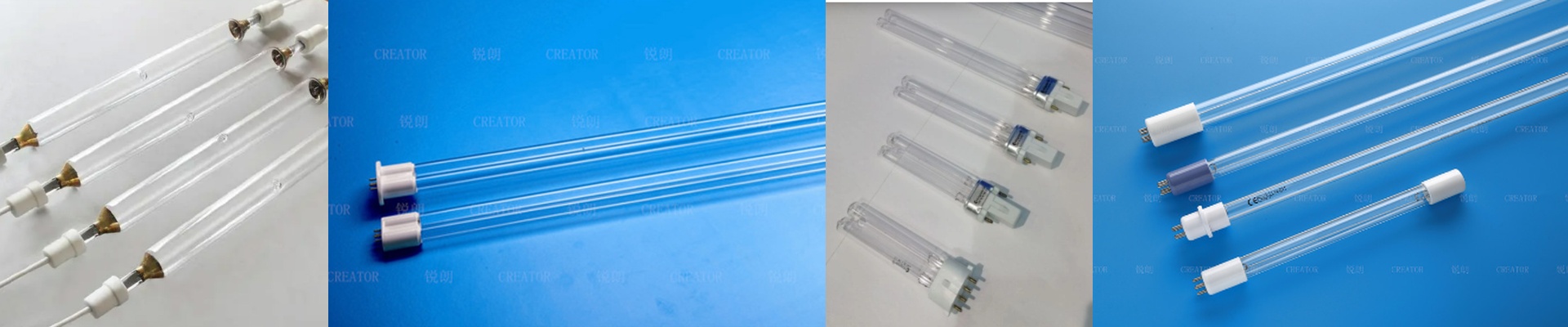
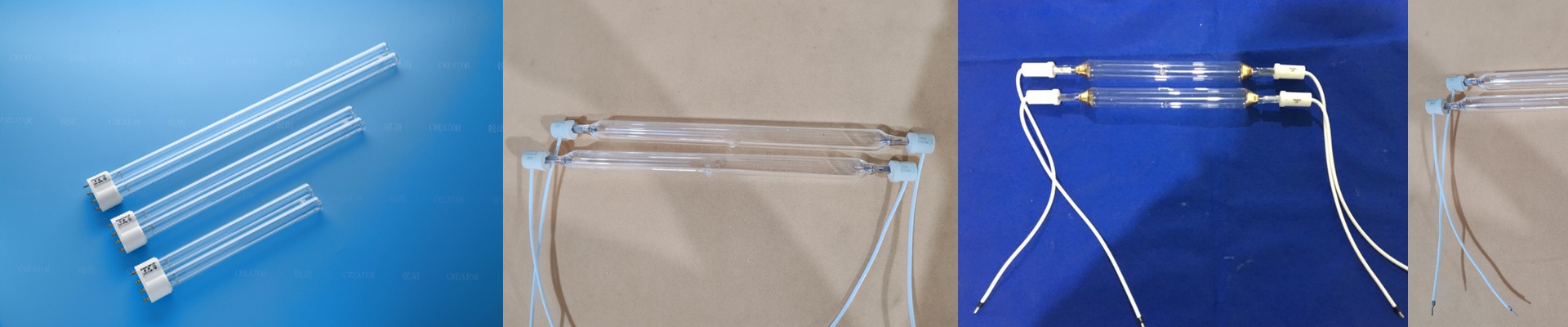
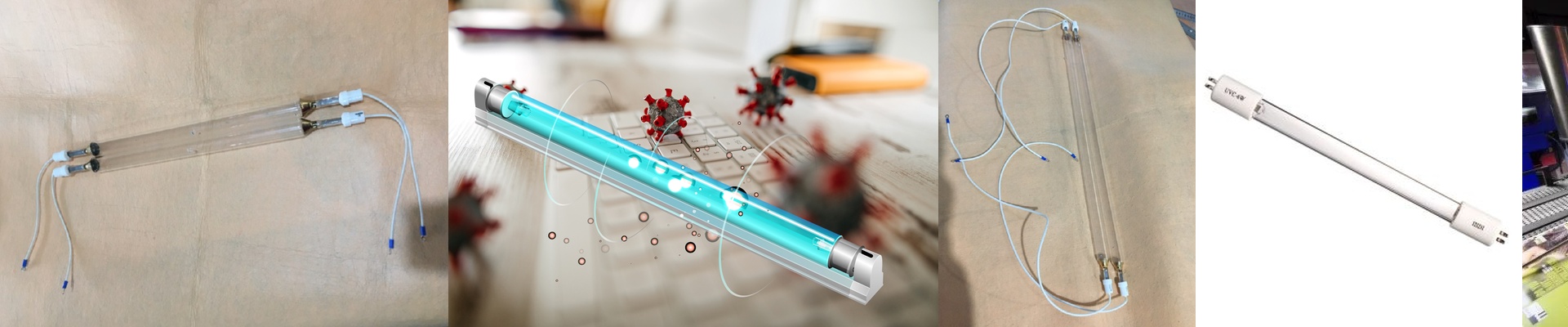
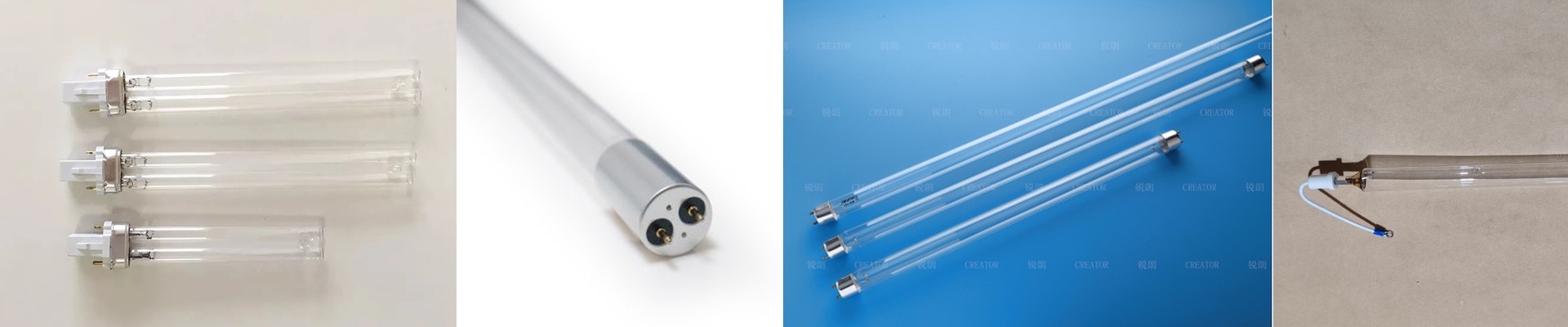
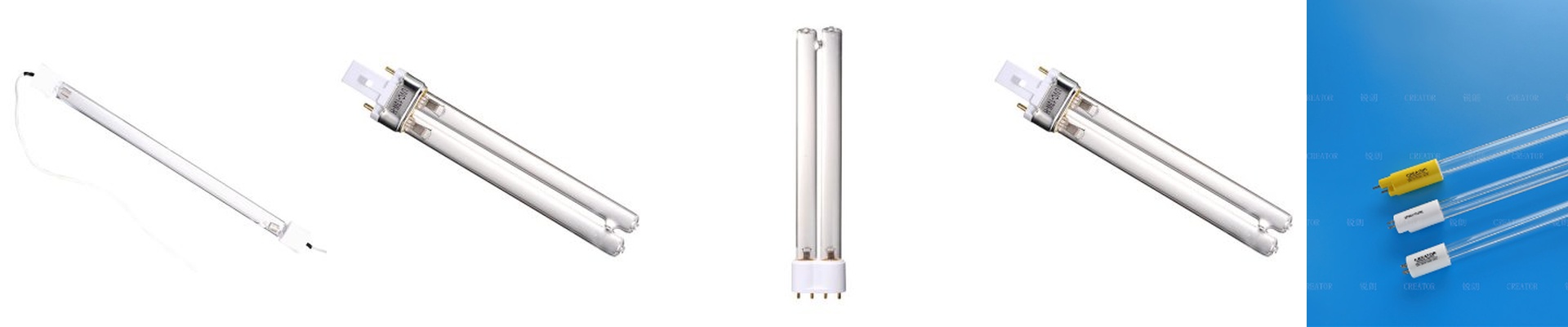
Getting the Most Bang for Your Buck with UV Germicidal Lamps
Here is the deal with UV lamps: they work by hitting microbes with shortwave radiation (specifically at 253.7 nm) to scramble their DNA. It sounds technical, but for us, it’s all about finding that sweet spot. You want industrial-grade reliability, but you don’t want to pay a premium just because a middleman put their logo on the box. That’s why we handle everything ourselves. From where we get the raw quartz to the final gas fill, we keep it all under one roof.
The trick to saving energy
When people talk about “energy saving” in UV tubes, they often think about lowering the wattage.**Don’t do that.**If you drop the wattage, you kill your sterilization rate, and then the lamp is basically useless. The real secret is “wall-to-wall efficiency.” We use high-transmittance synthetic quartz. In plain English? It means the UVC photons actually make it out of the tube instead of getting trapped in the glass. When the quartz is pure, the lamp stays cooler and lasts way longer.
How we actually build them
Since we run the whole production chain, we can cut out the fluff and the markups. We spend most of our time obsessing over two things: the electrode coating and the gas pressure. We’ve tuned the tungsten filament coating to lower the start-up voltage. This means it takes less “effort” for the arc to strike, which puts a lot less stress on your ballasts. And don’t worry about the fit. These are designed as drop-in replacements. They slide right into most standard industrial fixtures without you having to mess around with custom brackets or weird spacers.
The honest trade-offs
Let’s be real: you can’t have everything. Usually, if you push for maximum UV output, the lamp’s lifespan takes a hit. If you try to squeeze every single microwatt out of it, the electrodes sputter and wear out faster. We balance this by carefully tuning the argon and mercury mix. You get a steady, reliable output. Just a heads-up: make sure your ballast is set for the exact current draw of the tube. Some people try to “over-drive” the lamps to get extra sterilization power.**Don’t.**You’ll just end up with blackened ends and a dead tube way sooner than you should.