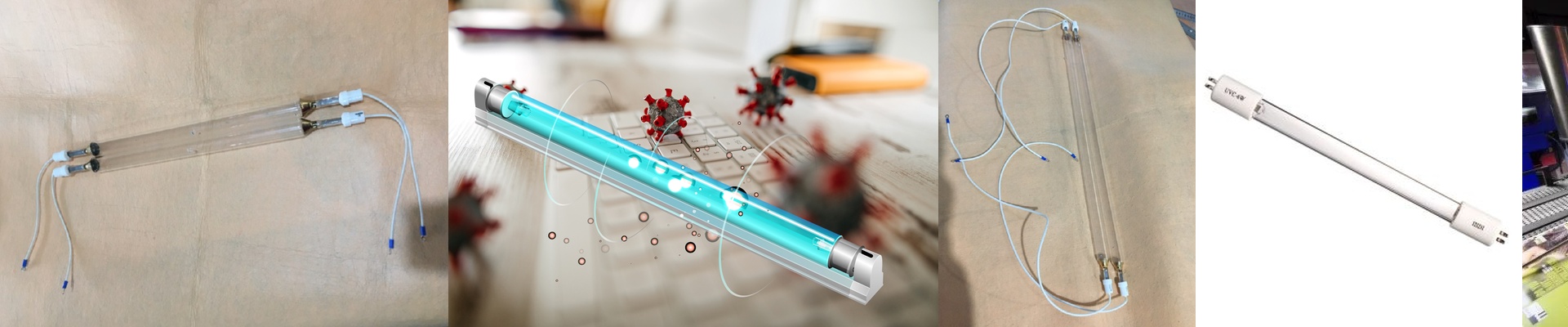
The Real Deal on High-Pressure Mercury UV Lamps
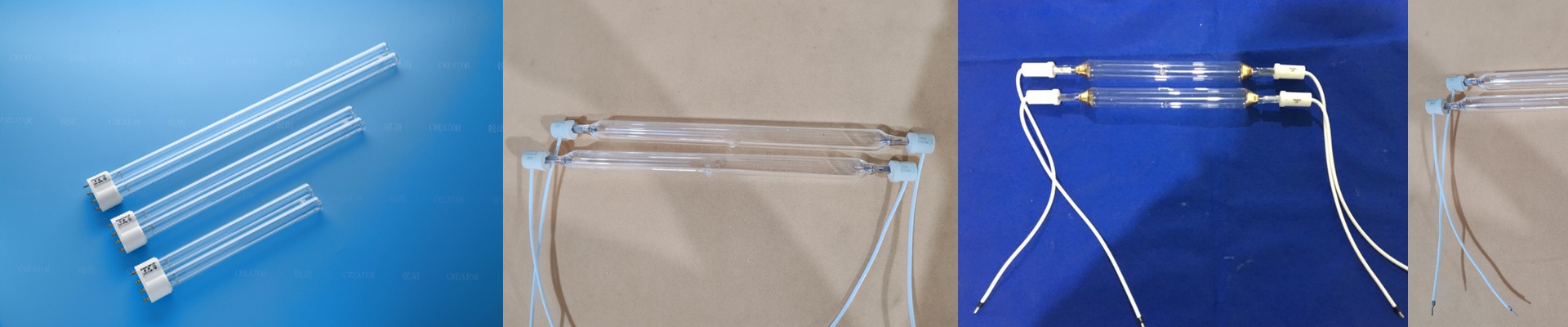
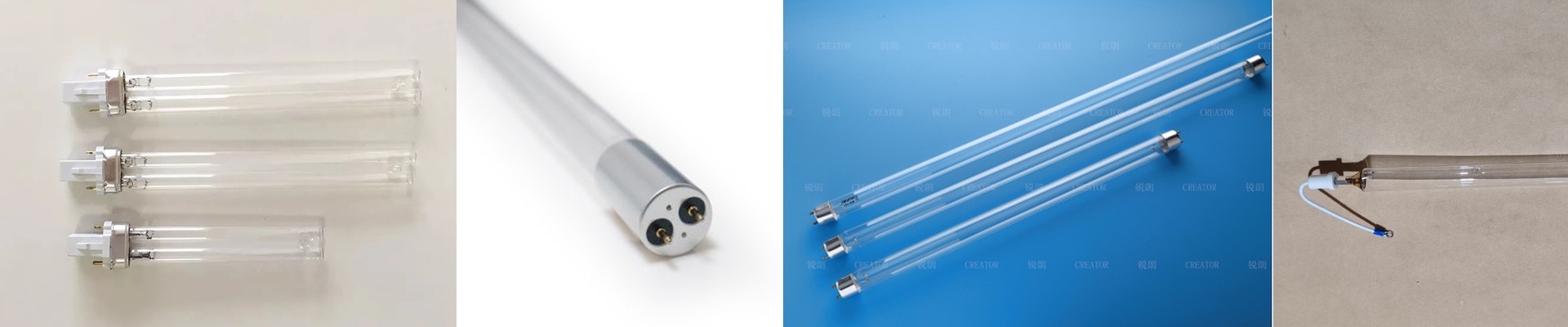
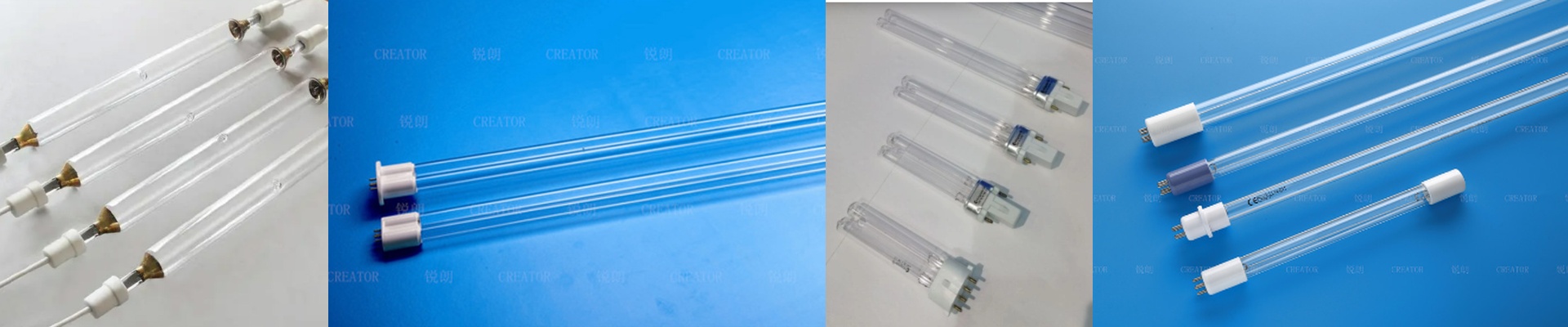
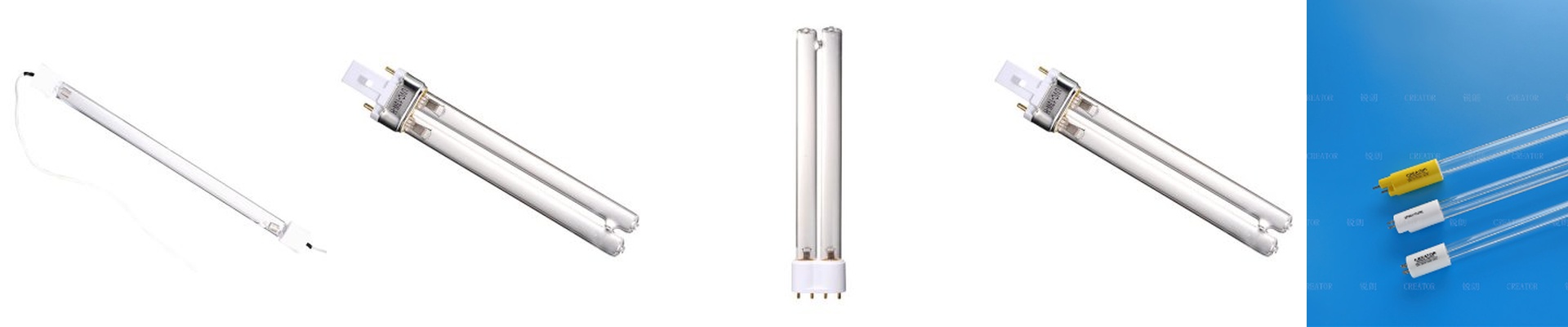
When it comes to heavy-duty UV curing and sterilization, high-pressure mercury lamps are still the gold standard. But here’s the thing: if they aren’t built right, they’re just expensive glass tubes that burn out way too fast. We focus on that sweet spot where you get massive spectral output without the lamp melting itself into a puddle.
Getting the Power Right
We don’t just guess on the specs. We look at exactly how much light your material needs to hit. Now, these arcs put out a broad spectrum, but the intensity depends entirely on the wattage-to-length ratio. If you try to cram too many watts into a short tube, you’re going to overheat the quartz. It’s that simple. We calibrate the voltage so the arc starts smoothly and stays consistent. Just a heads-up: make sure your ballast matches these specs perfectly. If it doesn’t, you’re basically paying to kill your lamps early.
Heat, Glass, and the “Cloudy” Problem
Ever notice some UV lamps get cloudy over time? That’s called solarization. It blocks the UV light and ruins your cure. To stop that, we use high-purity fused quartz. Inside, we use tungsten electrodes because they can actually handle the brutal heat of the arc. Most of our lamps are designed to be drop-in replacements, so they fit right into your existing reflectors without a headache. But remember: these things runhot. Like, really hot. If your cooling fans aren’t moving enough air, the quartz will crack. It’s a quick way to shut down your line.
The Bottom Line on Cost
We handle everything ourselves—from sourcing the quartz to assembling the electrodes. By cutting out the middlemen, we can give you a tube that hits 2026 technical standards without that “big brand” price tag. These are built for 24/7 production lines where every minute of downtime feels like a disaster. One last tip: check your wiring. Make sure it’s rated for the current draw so you don’t get those annoying voltage drops at the socket.