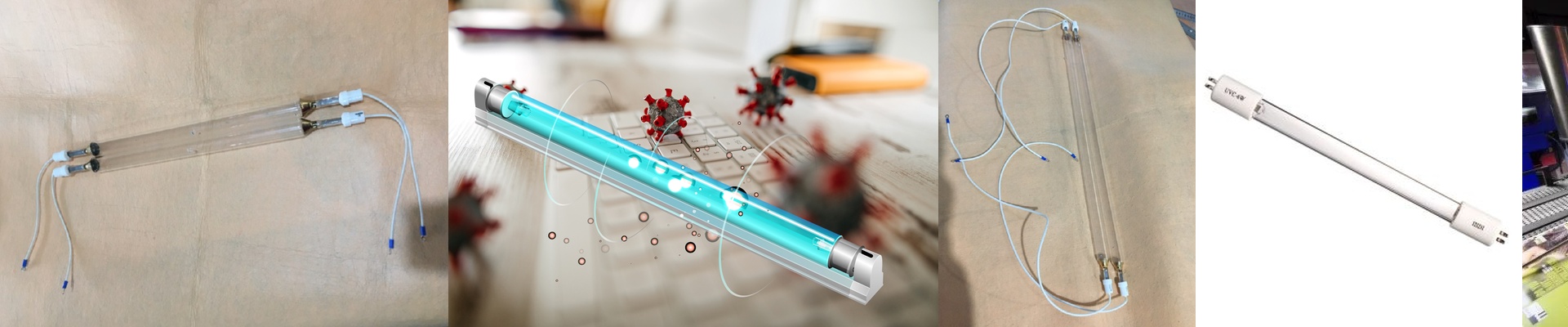
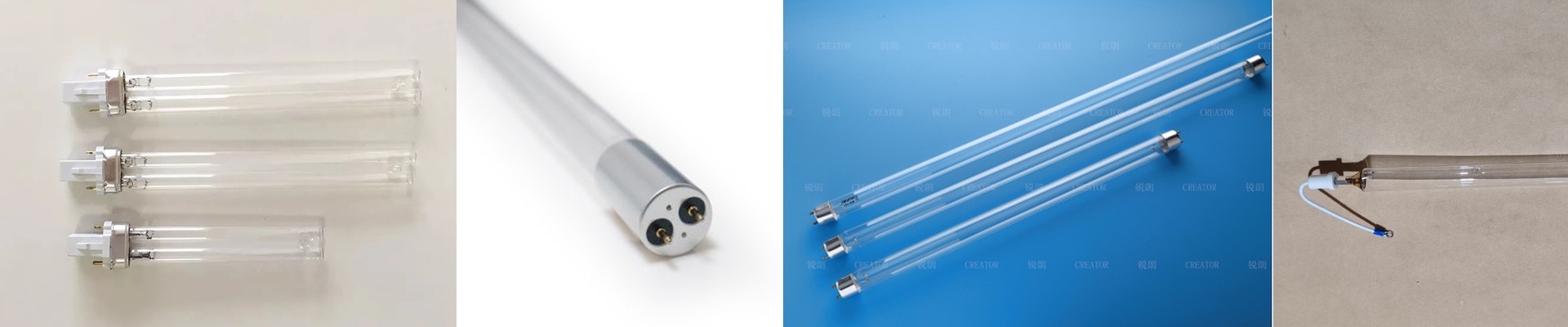
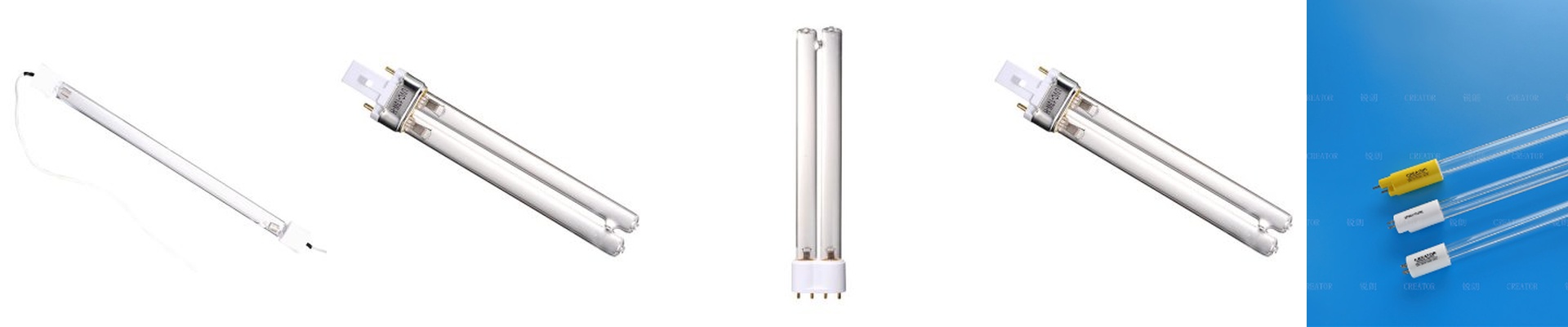
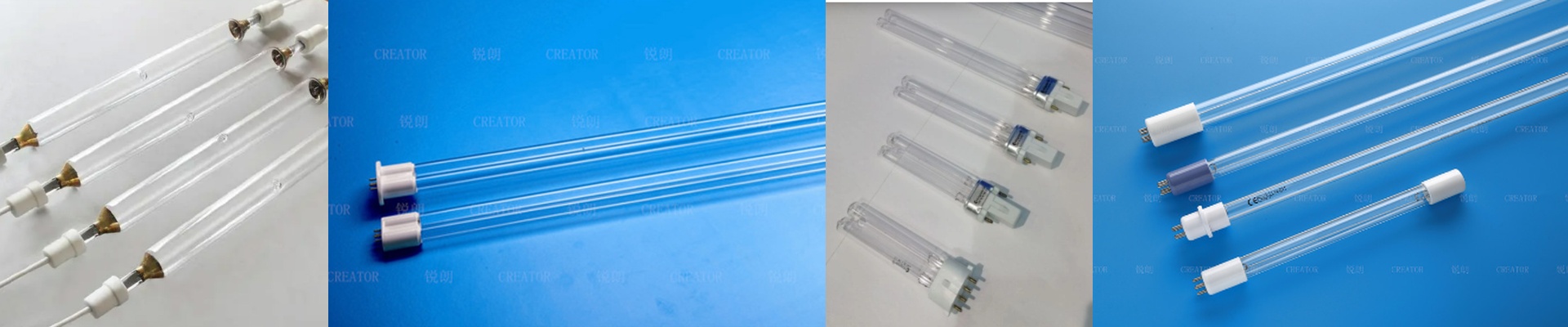
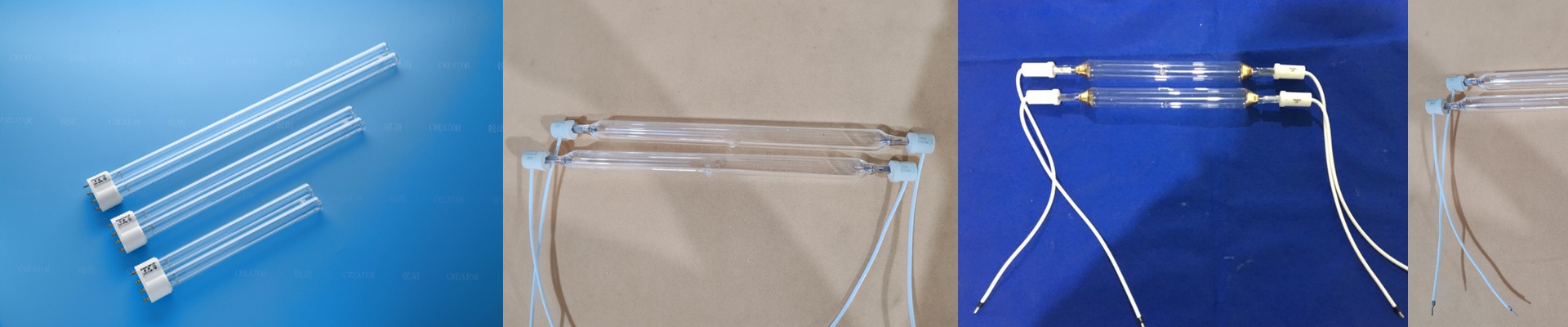
Let’s Talk About the 80W/cm Mercury UV Lamp
When we sat down to build our custom UV modules, we didn’t want to guess. We went with a standard 80W/cm mercury lamp because that’s what the job actually requires. If you’re running a modern industrial print line, you know the struggle. You can’t just slow down your entire production line because your ink isn’t drying fast enough. That’s where the 80W per centimeter comes in. It gives you the punch you need to snap those inks and coatings into place instantly.
The Heat Factor
Here’s the thing about that kind of power: it gets hot. Really hot. We use mercury vapor because it hits all the right notes in the light spectrum, which is great for getting the ink to cure. But it also throws off a ton of infrared heat. If you aren’t careful, you’ll end up with warped substrates or scorched ink. That’s why you can’t skimp on the cooling. Whether you go with forced air or water-cooled jackets, just make sure your system can handle the sweat.
Built for the Shop Floor
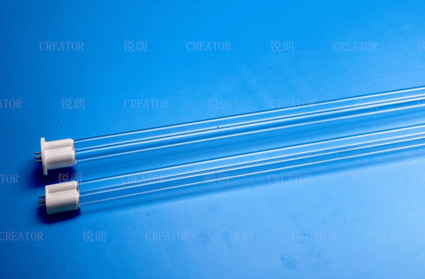
We didn’t want to just sell you a bulb. We wanted to give you a system that actually lasts. We used high-purity quartz glass so the UV light gets through without any issues, and more importantly, so the glass doesn’t get cloudy when things heat up. And we’ve all dealt with those flimsy connectors that melt or snap the moment things get stressful. We hated those. So, we swapped them for heavy-duty terminals. They’re built to take a beating in a real factory environment and they just work.
Real-World Printing
In a high-speed line, your “cure window” is tiny. It’s a blink-and-you-miss-it moment. If your lamp output dips even a little, you’re looking at smeared prints and wasted material. Our 80W/cm setup is basically a brute-force approach. It ensures everything is rock hard in one single pass. Now, everyone is talking about LED UV these days, and they have their place. But for thick coatings? Mercury still wins on raw power. Just a heads-up: keep an eye on your ballast settings. If you over-drive the lamp, you’re just killing the tube’s lifespan for no reason.