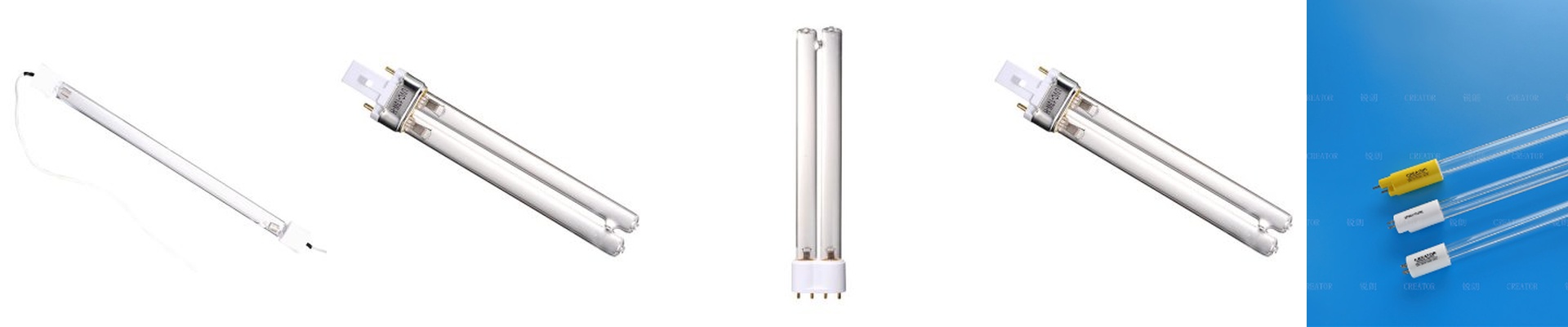
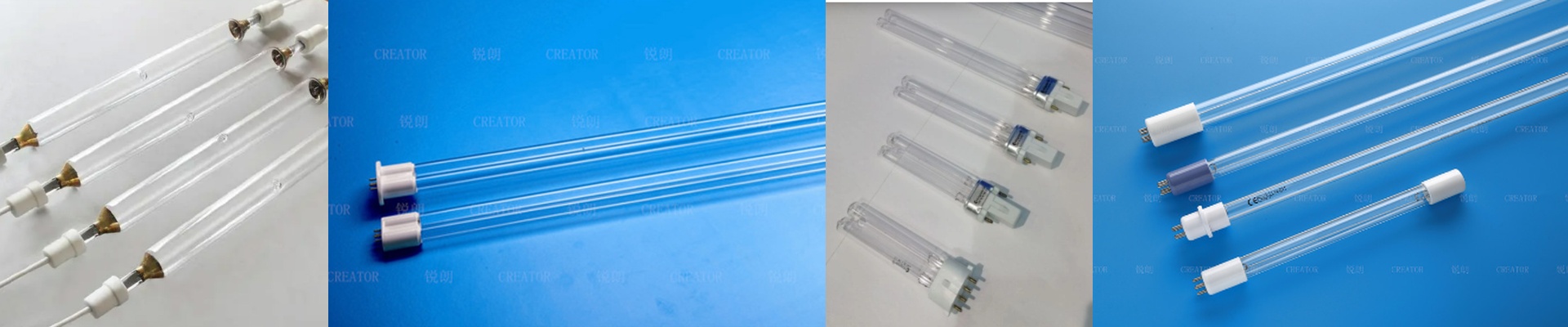
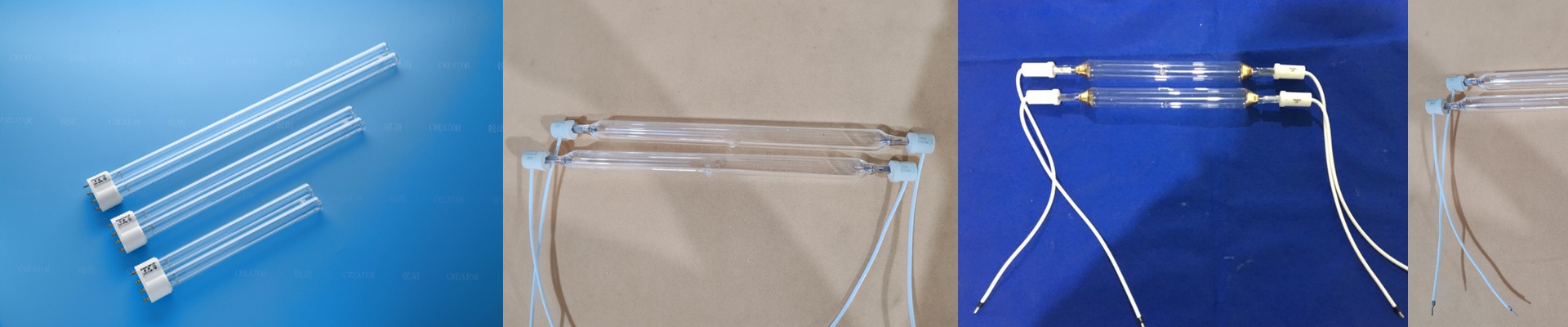
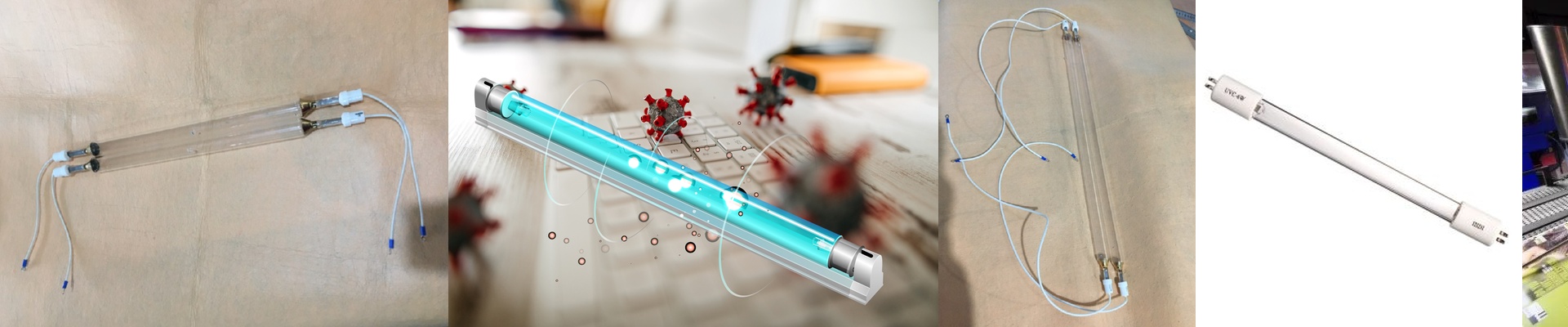
Precision Mercury UV Lamps: The Thought Behind the Light
We build these mercury UV lamps for engineers who crave certainty. You need repeatable, high-intensity output—not a roll of the dice. Our whole focus is nailing the spectrum, so your process gets the exact energy it’s asking for.
Power, Voltage, and Size: The Sweet Spot
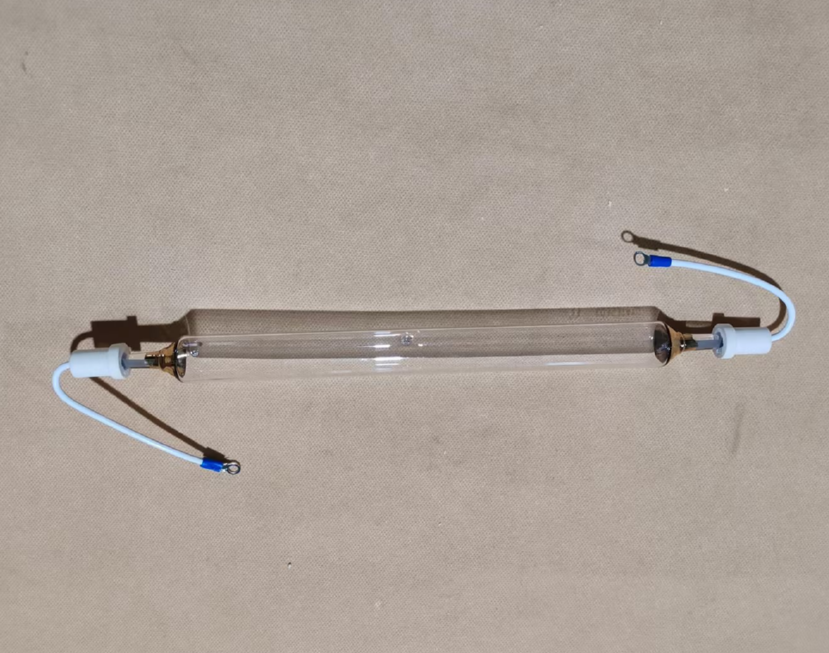
We engineer these lamps around a very specific operating envelope. Power and voltage are chosen to match the arc length and gas pressure inside that quartz tube. Take the standard 400V configuration, for example. It’s there to give you stable ignition and steady output, right through the lamp’s life. And the dimensions? A common length is around 300mm. That’s not random. It’s a direct trade-off between heat density and fitting into tight machine footprints. You get serious wattage in a compact form, which means intense energy. But that also means you need a cooling system rated to handle the chamber temperature.
What’s Inside: Quartz, Coatings, and a Rock-Solid Connection
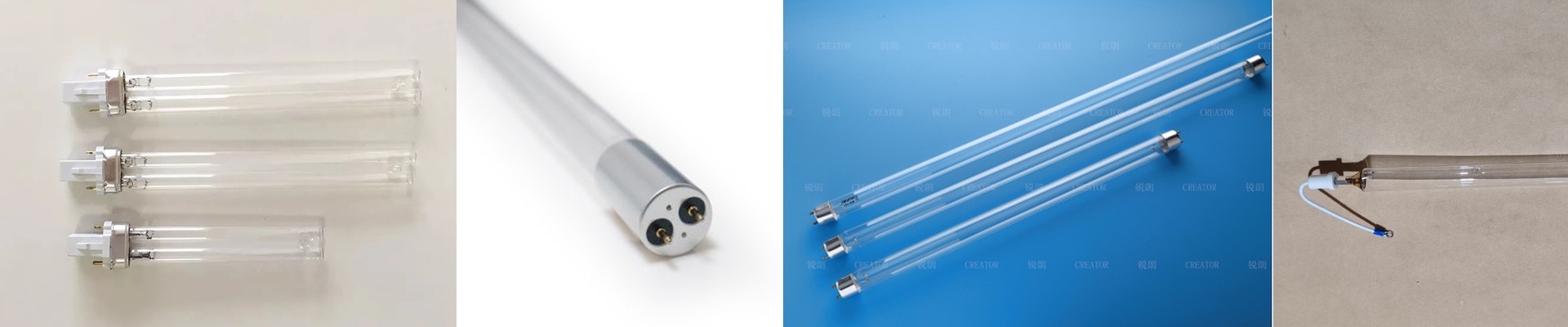
At the heart of it is high-purity quartz. It handles the thermal shock of rapid cycling and lets the UV spectrum through without soaking it up. Then we add specialized coatings to filter out the wavelengths you don’t need, pushing the energy into the specific bands your process demands. The connector matters, too. We use the R7s bi-pin design because it’s rigid and reliable—built to take the vibration of industrial equipment. It also makes the lamp a simple drop-in replacement, so maintenance downtime stays minimal.
Real-World Results: Faster, Cleaner, More Reliable
This setup shines in industrial heating and curing, where precise wavelength control isn’t optional. The targeted output speeds up photochemical reactions, letting you run faster without overheating the substrate. That translates to quicker cycle times and fewer rejects. The design is tough enough for the daily grind, but here’s the honest part: pushing the lamp to its maximum power density will shorten its life. So plan your thermal management accordingly.