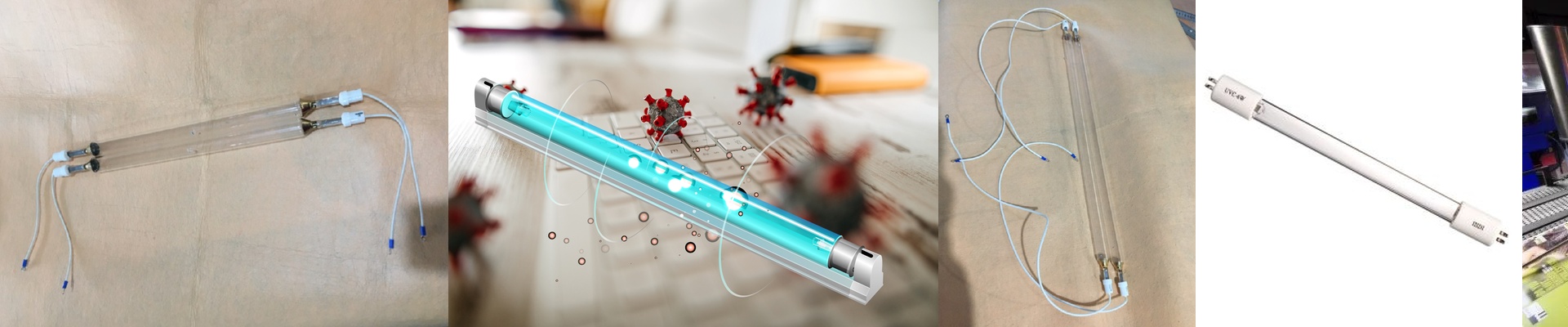
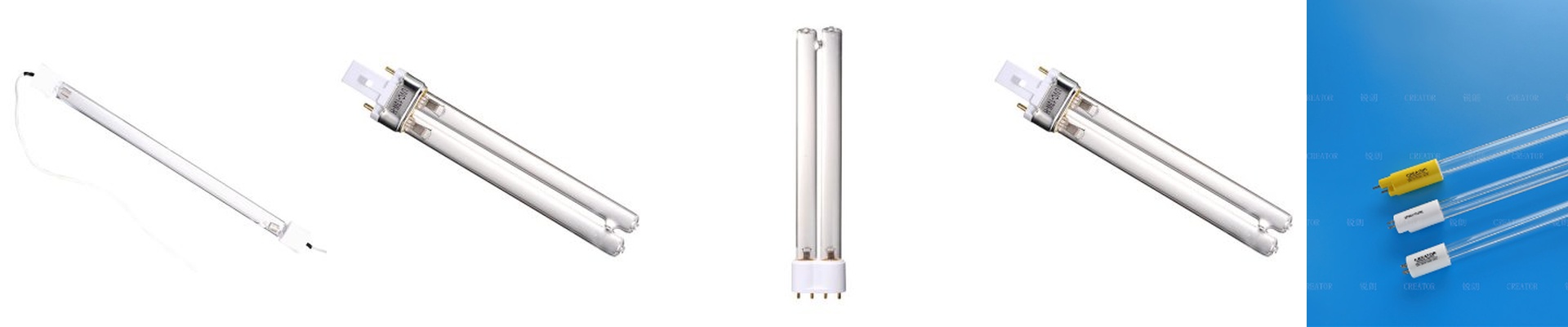
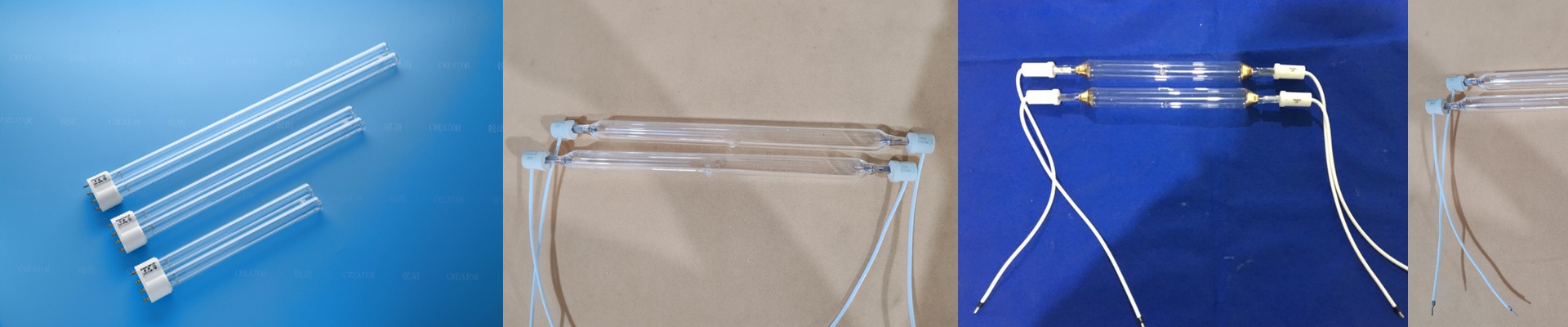
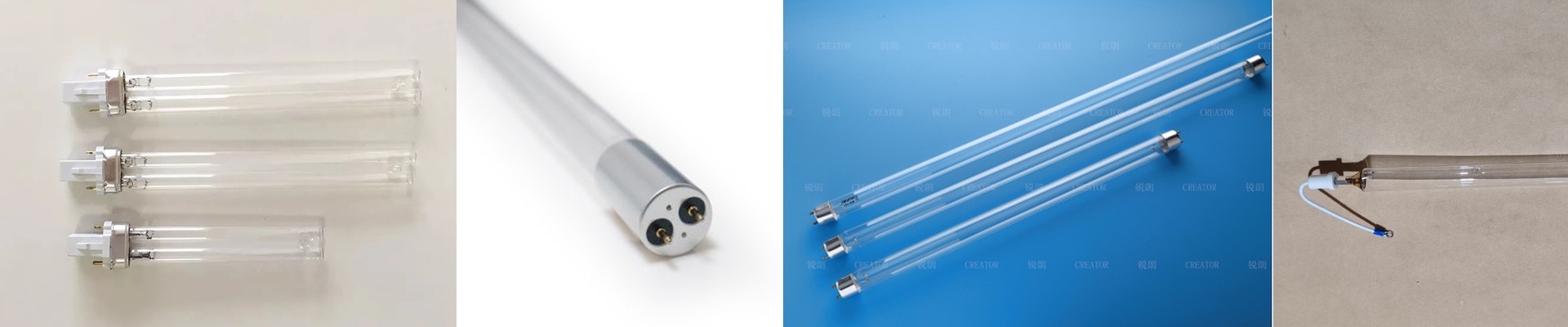
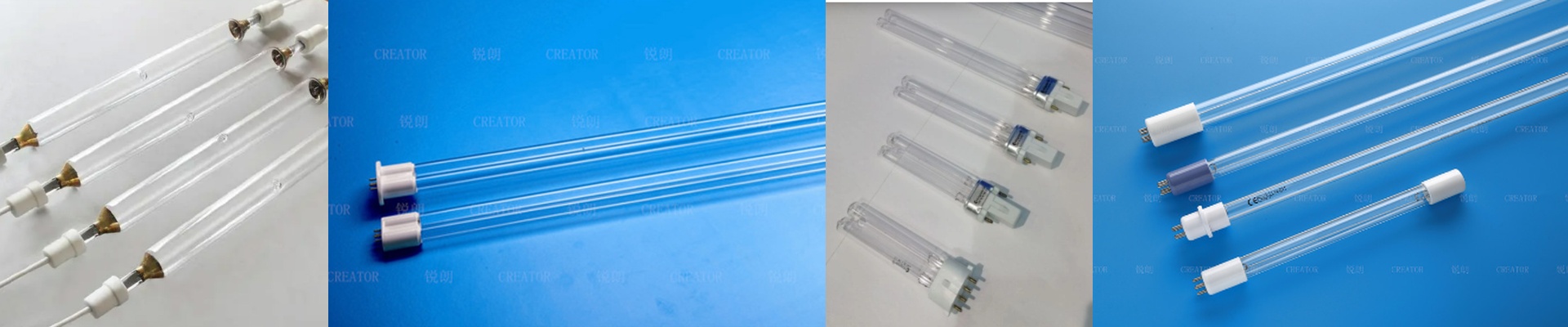
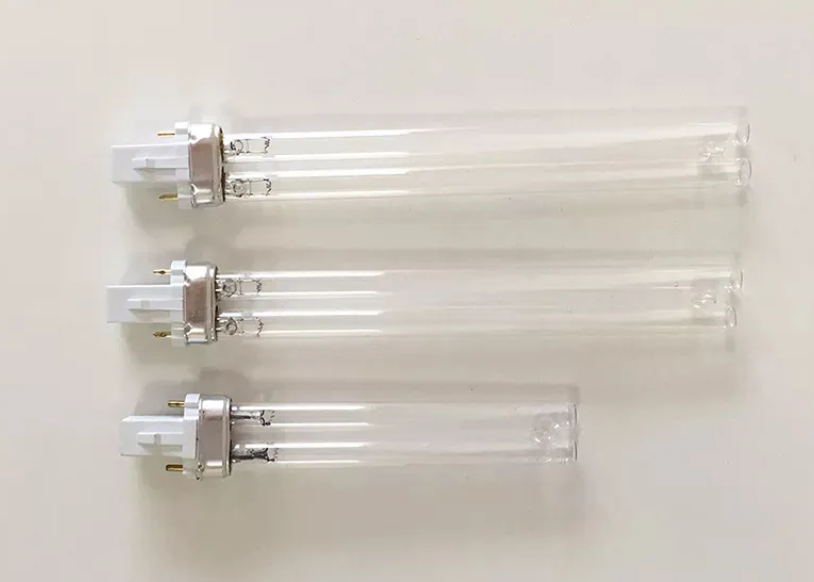
On the production floor of an air purification system, the UVC lamp isn’t an accessory—it’s the front line. When an existing lamp ages, its 254nm output falls off, and the dose at the target surface drifts below the lethal threshold. You get unpredictable disinfection, rework, and compliance exposure. We built the Usio UV lamp replacement to keep dose stable, shift after shift. What matters, technically We spec a low-pressure mercury vapor lamp with a true 254nm germicidal peak and a stable output envelope. The quartz sleeve is chosen for high UVC transmittance, but it still has to handle heat in a tight chamber. Lamp geometry is worked out to match the airflow path and the irradiance map the reflector is designed for, so the required dose lands where the air stream passes—not in the corners. We measure output in mW/cm² at the target plane, and dose builds as irradiance × exposure time. In practice, that means consistent log-reduction without chasing hot spots. Why it works in this application Air purification systems need repeatable disinfection, day after day. The Usio replacement holds output over its life, so the system’s kill curve stays predictable. That means less validation drift, fewer re-tests, and a lamp change interval you can plan around. Energy draw is managed without sacrificing peak irradiance, so operating cost per cubic meter of treated air stays under control. Things to know on the install side Tolerances are tight. The lamp has to align cleanly with the reflector and the socket; otherwise, irradiance uniformity falls apart. Before you order, verify connector type, overall length, arc length, and operating voltage. Also confirm the chamber material is UVC-compatible. Some polymers and adhesives degrade with prolonged exposure, and that can come back as long-term sealing issues and dose drift.