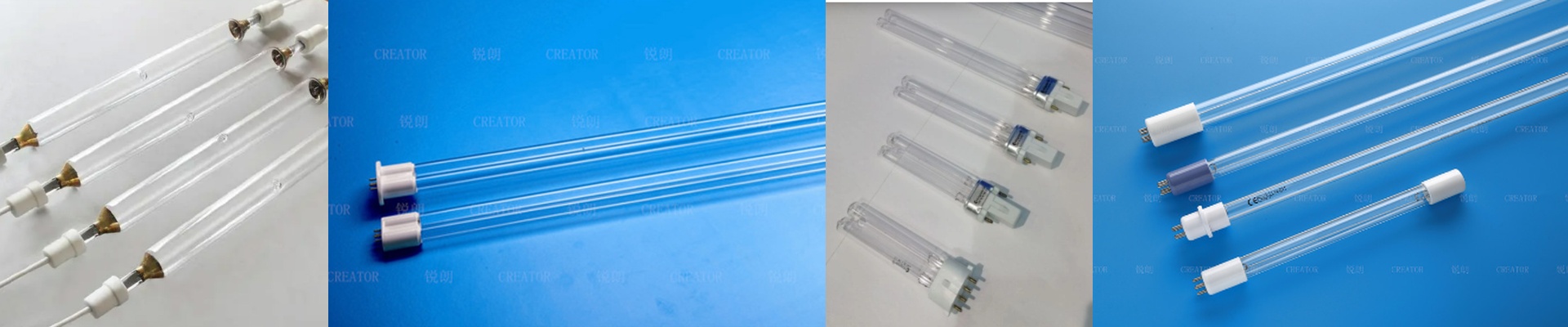
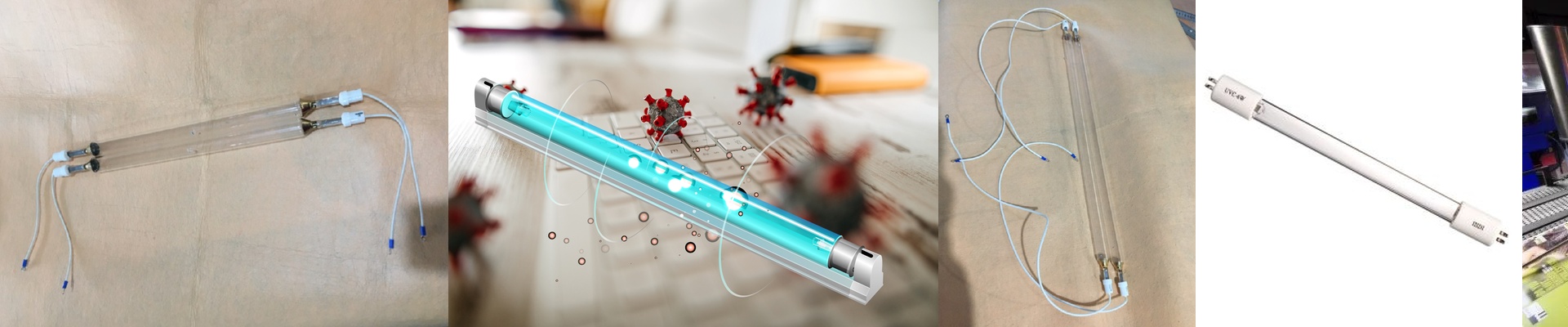
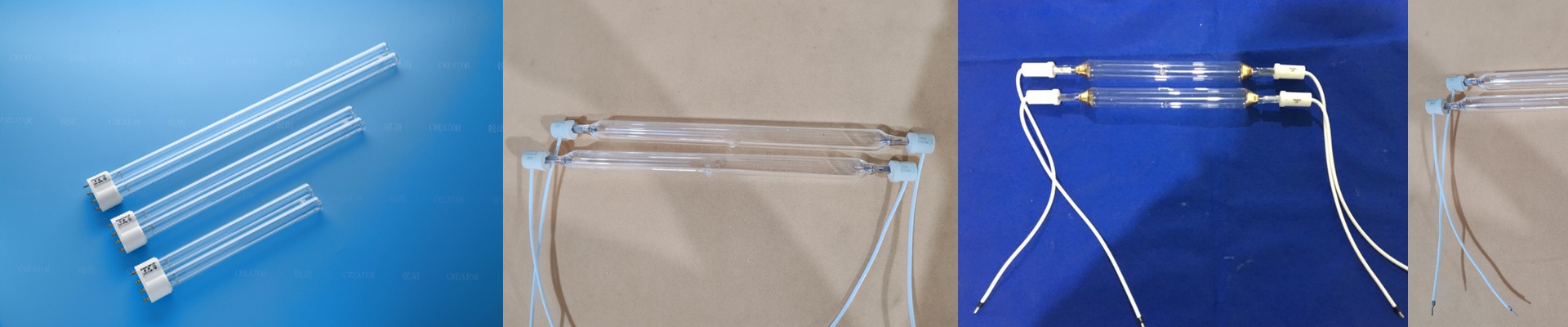
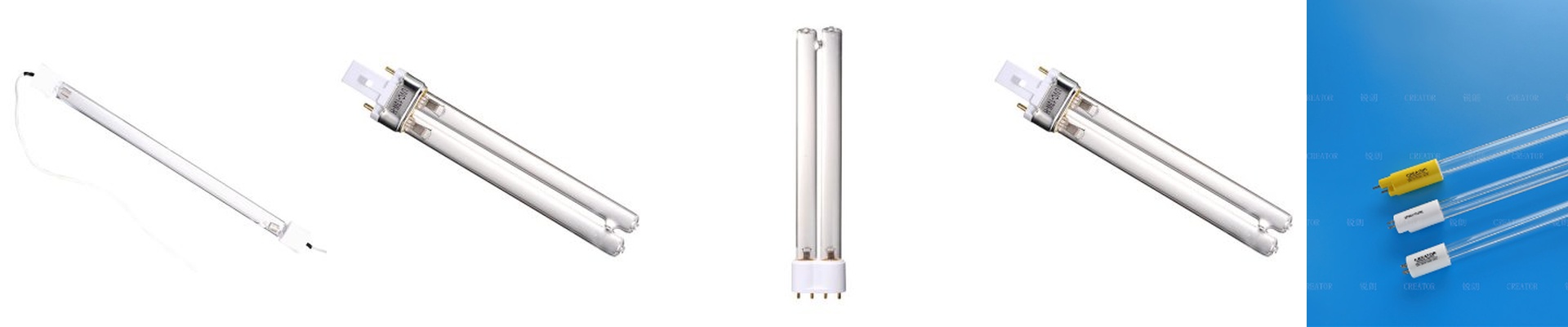
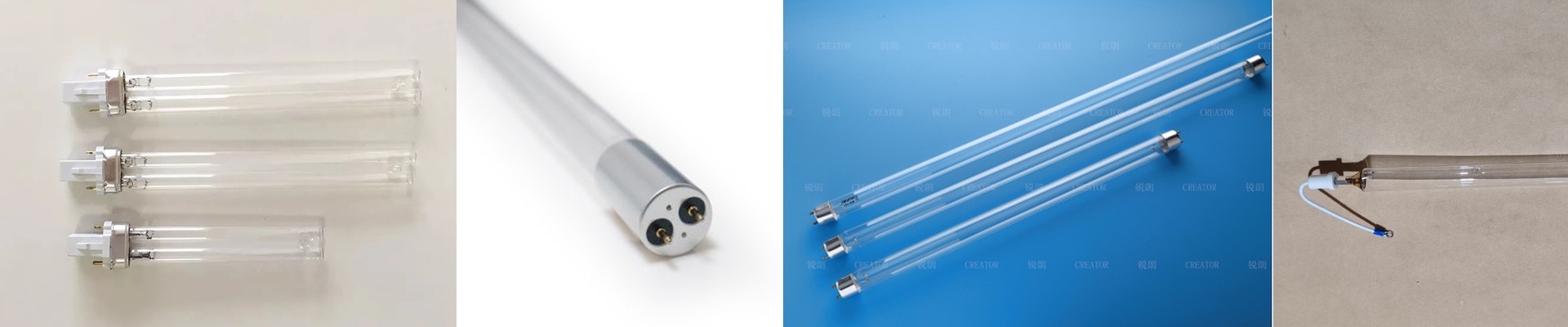
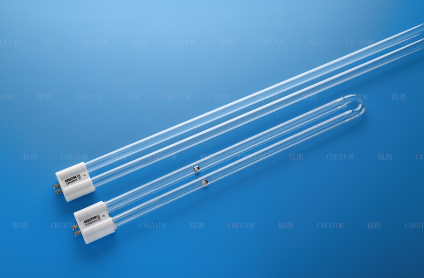
After walking through about 3,000 printing plants, one thing keeps showing up: UV lamps don’t just die at end-of-life. They fail when thermal control is more guesswork than engineering. On inline presses hitting 800–1,500 m/min, the lamp’s spectral output has to follow the substrate—not the other way around. That’s why we built the UV lamp cooling fan system around repeatable thermal stability, not a slogan.
What actually matters, technically
UV curing is photochemistry. With mercury vapor lamps, you need stable peak irradiance at 365nm, 385nm, and 405nm so photoinitiators stay inside their activation window. Overheating moves the arc, speeds up electrode erosion, and drops output. Under-cooling can warp the reflector and leave cross-linking uneven. Our system holds lamp temperature in a tight window so spectral output stays consistent across the full 2,000–8,000 hour life. That consistency translates into predictable cure energy density (mJ/cm²) and fewer rejects tied to ink tack or adhesion drift.
Why this works in real production
Industrial printing is a chain: press speed, lamp output, and substrate heat tolerance have to stay in step. With this cooling fan setup, you lock down the lamp environment, so the lamp keeps delivering repeatable intensity. That means fewer speed cuts to “protect cure,” less downtime for lamp swaps, and lower energy draw from the ballast. Over a year, you’ll replace lamps less often, spend less time on maintenance, and lower total cost of ownership—without touching your ink set.
What to watch for on install
Installation is straightforward, but airflow routing has to match the lamp chamber. When ambient in the plant shifts by 10°C, expect about a 2–3°C temperature swing at the lamp jacket. Keep duct runs short, and isolate intake from exhaust so you don’t get recirculation. Also, check clearance against the press frame—tight web paths don’t leave much room for service access. Plan the mounting early, and the system runs quietly while the lamp stays in its stable operating band.