Clothes printing can look perfect coming off the press, then crack after the first wash. More often than not, the culprit isn’t the ink chemistry—it’s UV dose. When the ink is under-cured, photoinitiators don’t finish reacting, and the cross-linking network ends up weak. Hit that garment with water and mechanical agitation, and the film fractures.
What actually matters under the hood
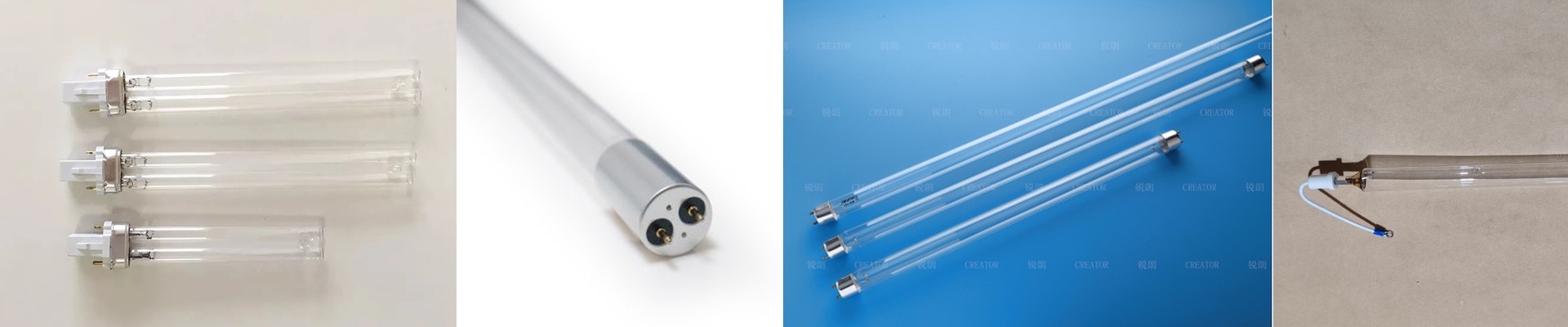
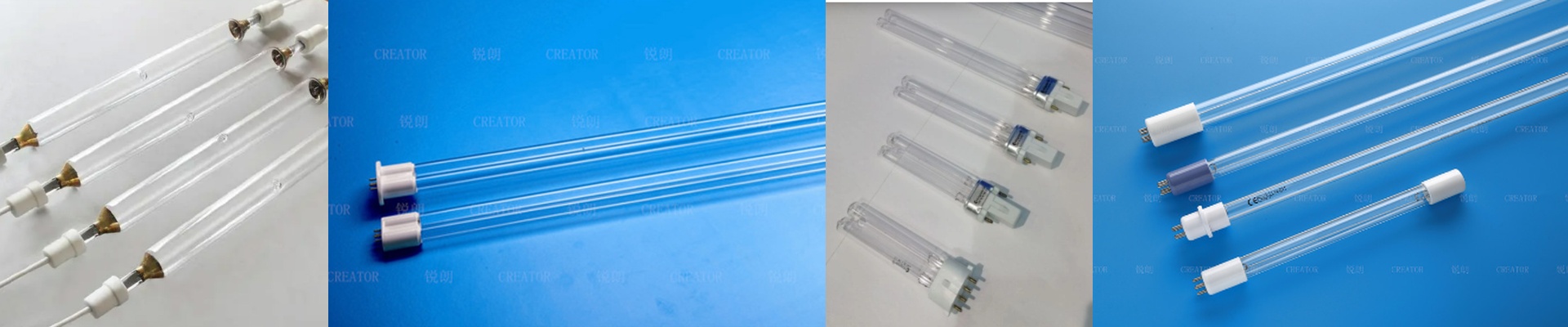
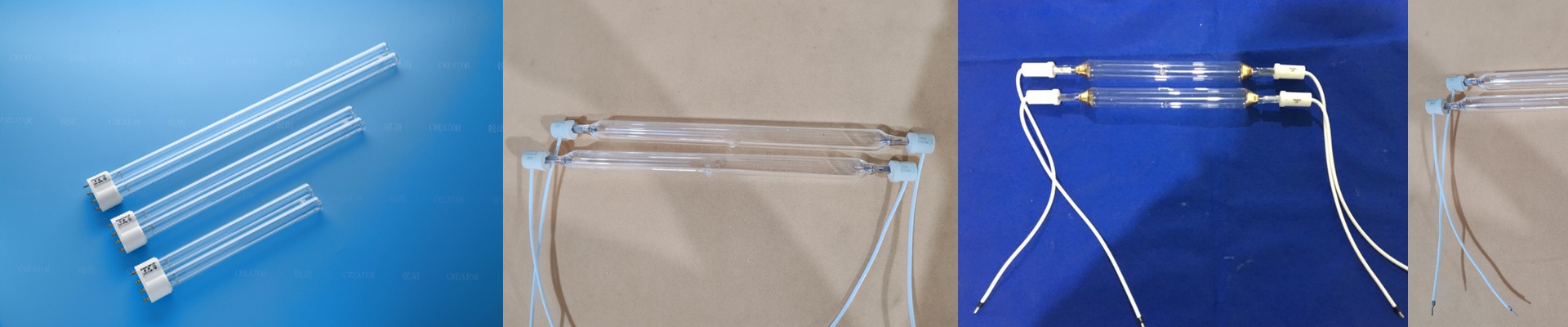
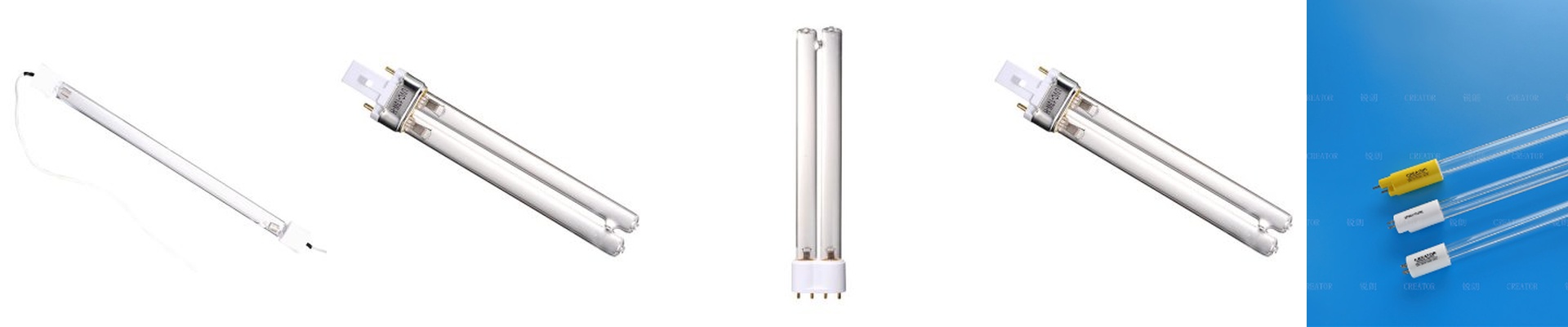
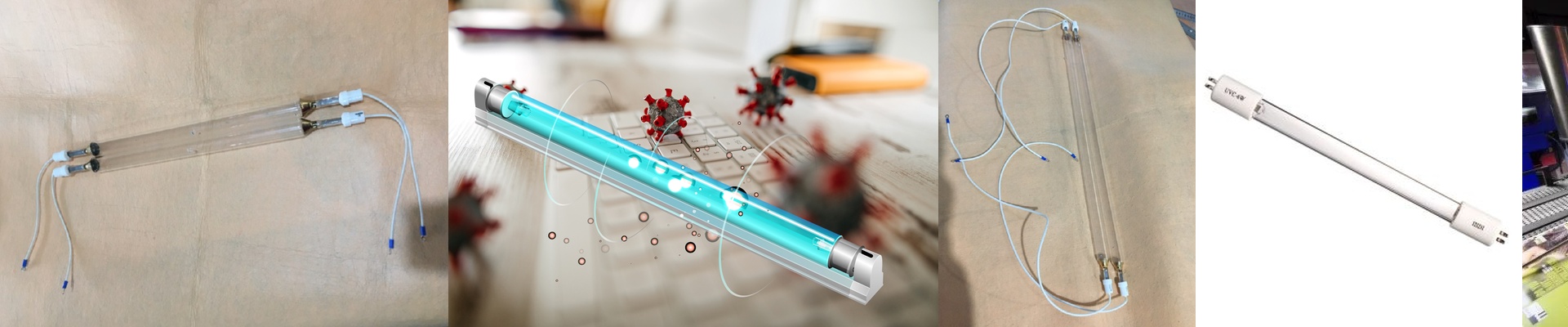
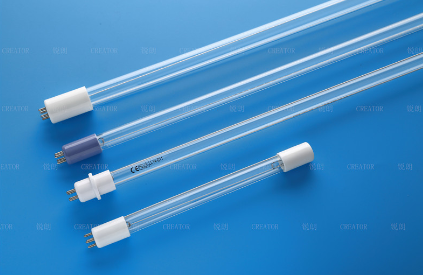
In industrial printing, the UV lamps are usually high-pressure mercury vapor. You get dominant output at 365 nm for penetration, plus broadband energy to drive surface cure and secondary cure. Peak irradiance at the substrate—measured in mW/cm²—sets how fast the reaction pushes past oxygen inhibition. Dose, in mJ/cm², integrates irradiance over time and determines final conversion. We run high-temperature wire that holds conductor integrity when the quartz jacket runs hot, so lamp ignition voltage stays stable and the arc position stays repeatable. Pair that with a reflector that uses a dichroic coating, and spectral efficiency improves: more usable UV gets delivered, and waste heat drops.
Why this matters on apparel jobs
In screen and flatbed curing for apparel, the ink layer is often thick, and pigments eat UV. If the lamp can’t hold high irradiance, the bottom of the deposit stays tacky. With wire that supports stable lamp operation, the system can maintain the dose needed for full cross-linking. The payoff is straightforward: deeper cure, better adhesion, and wash resistance that holds up through repeated laundering. You end up with fewer rejects, less rework, and color fastness that stays consistent.
The shop-floor details that bite you
High-temperature wire earns its keep when the lamp is hot, but it needs proper routing and clearance from hot zones. Check connector rating, voltage drop, and insulation temperature class against your ballast and fixture. Make sure lamp length, arc gap, and reflector geometry match your printer platform. Monitor at the substrate plane with a spectral radiometer, and replace lamps based on output decay, not just hours.