The Secret to UV That Actually Works
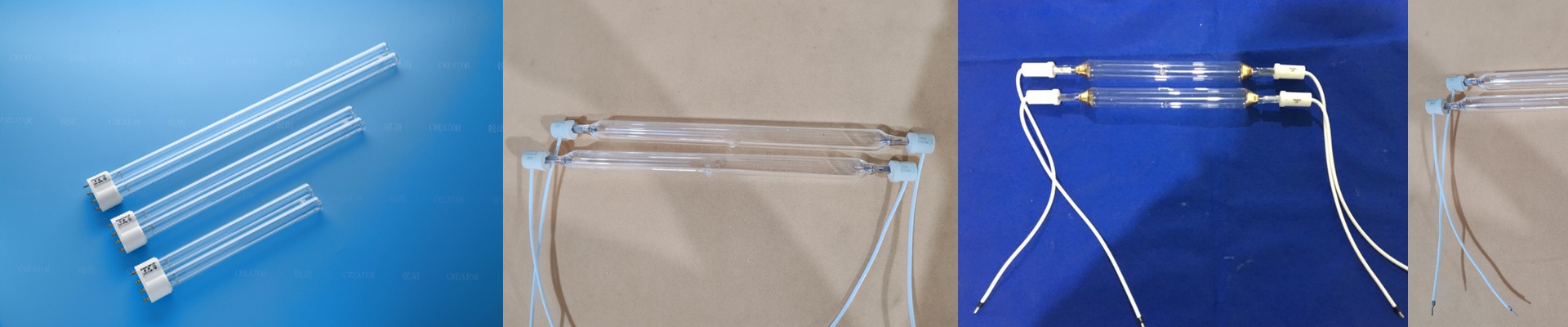
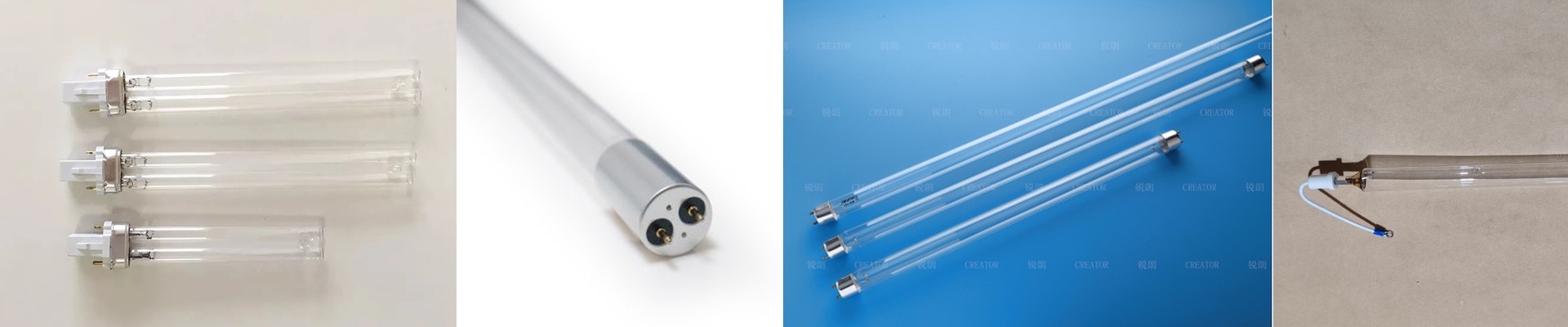
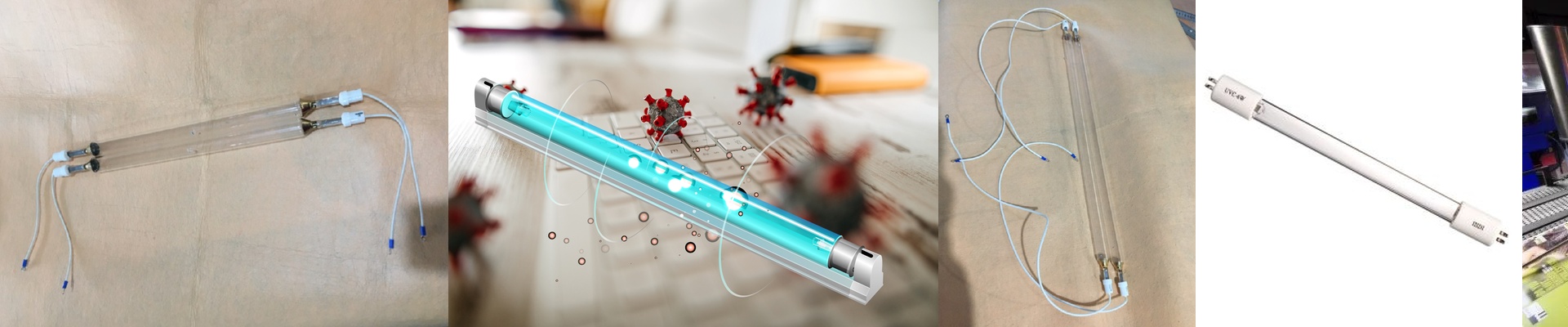
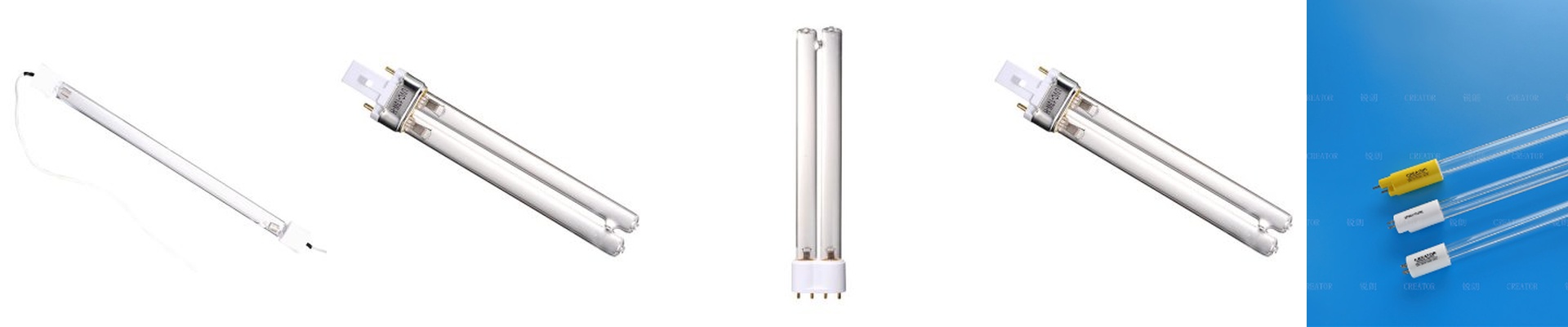
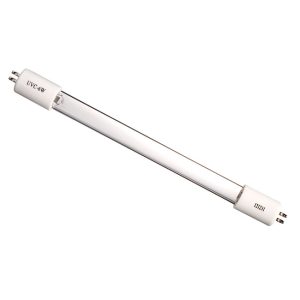
Let’s cut through the noise. A UV germicidal lamp is only as good as the quartz that holds it. It’s not just about whether UV kills mold. It’s about whether your lamp is actually delivering the right wavelength, at the right power. The 254nm wavelength that breaks down mold and bacteria? It depends completely on the purity of the quartz. If the glass has impurities, they just soak up that critical light before it ever gets out. And your lamp becomes useless.
Why 99.99% Purity Matters
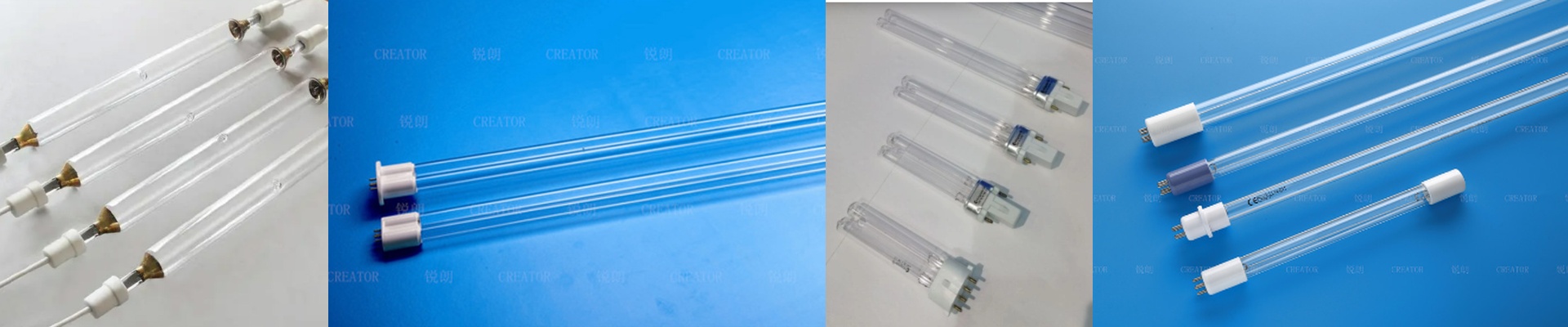
Here’s the thing: we stick to 99.99% pure quartz for a reason. Regular glass just can’t handle the short-wavelength UVC radiation needed to kill germs. High-purity quartz, on the other hand, lets over 90% of that 254nm light pass right through. That means the lamp is producing a real, lethal dose of UV energy. Not just a bunch of heat. Settle for less on the quartz, and you’re asking for a lamp that loses power fast and doesn’t last.
The Trade-off for Serious Power
Getting that kind of output takes careful engineering. A pure quartz tube can handle a higher wattage without cracking or breaking down under the heat. That lets us pack a lot of power into a small lamp. But there’s a catch. All that energy makes the lamp run hot. So whatever it’s installed in has to be ready to deal with that heat. You get the power you need, but your system has to be built to handle it.
Hitting Mold Where It Lives
In industrial spaces, mold is a stubborn problem. A UV lamp made with 99.99% pure quartz sends out UVC that punches through mold spores’ cell walls, shutting them down on contact. This isn’t a shot in the dark. It’s about delivering a precise, calculated dose of energy. When you choose a UV system for mold control, you’re really buying the integrity of the quartz. Anything less is just gambling with performance.