The Truth About UV Curing in High-End Apparel
Let’s talk about what really matters in top-tier streetwear and premium apparel printing. You need color that stays true, every single time. Standard UV systems? They often miss the mark. The result is inconsistent curing that leaves your pigments looking flat and lifeless. That’s why we built our own halogen UV lamps from the ground up. They’re designed to fix this problem, delivering the focused heat that locks in color saturation and sharp detail, even on the toughest materials.
The Power Behind the Process
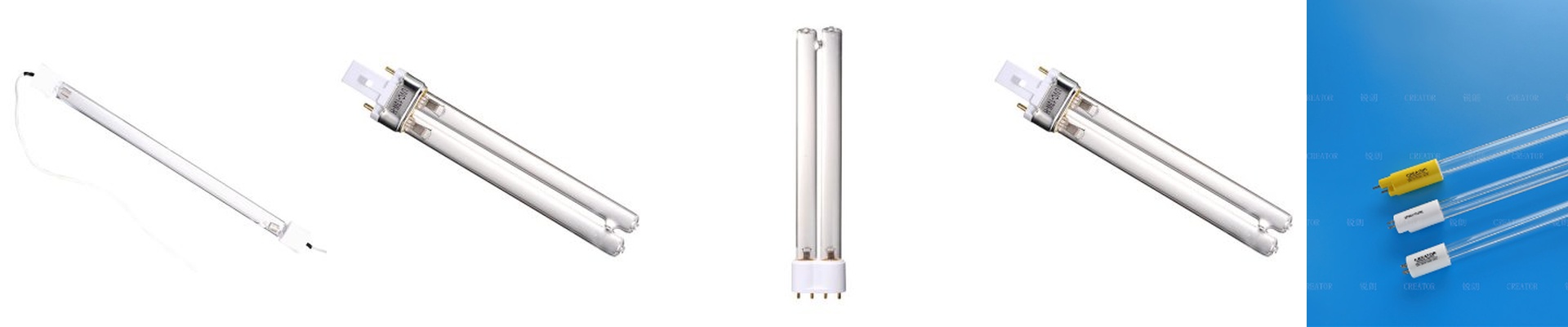
Here’s the guts of it: these lamps run on a solid 400V input and pump out 2500W of power. That kind of muscle is exactly what you need to keep an industrial line moving. It generates the intense heat required to fully cure thick ink layers without forcing you to slow down production. The 300mm length isn’t random, either. It’s a precise fit for the standard curing zone. That means energy spreads evenly across the entire print area, so you don’t get curling at the edges or under-cured spots in the middle.
Why Halogen is the Smart Choice
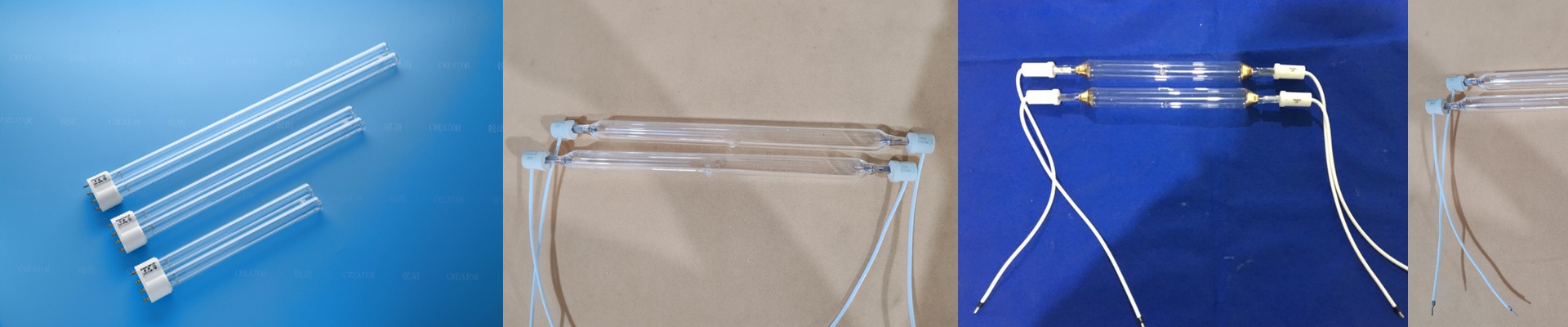
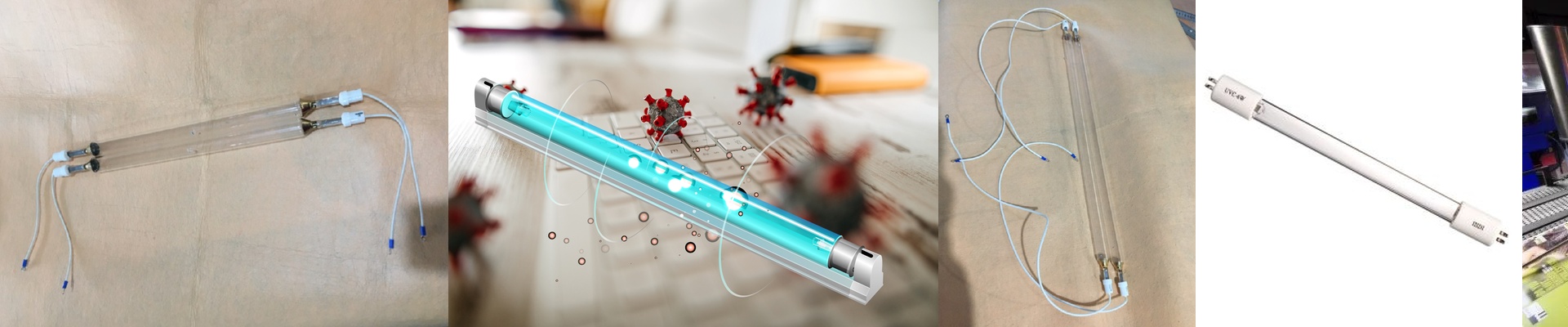
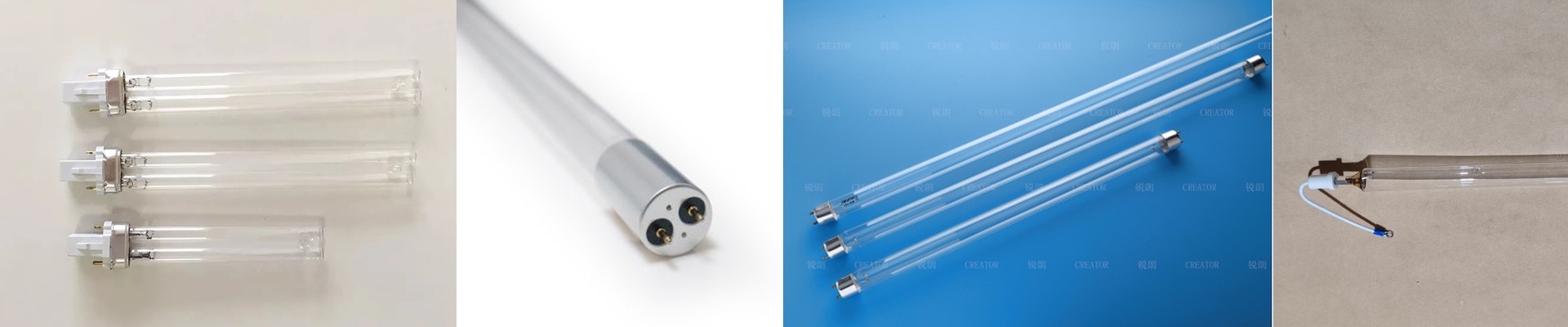
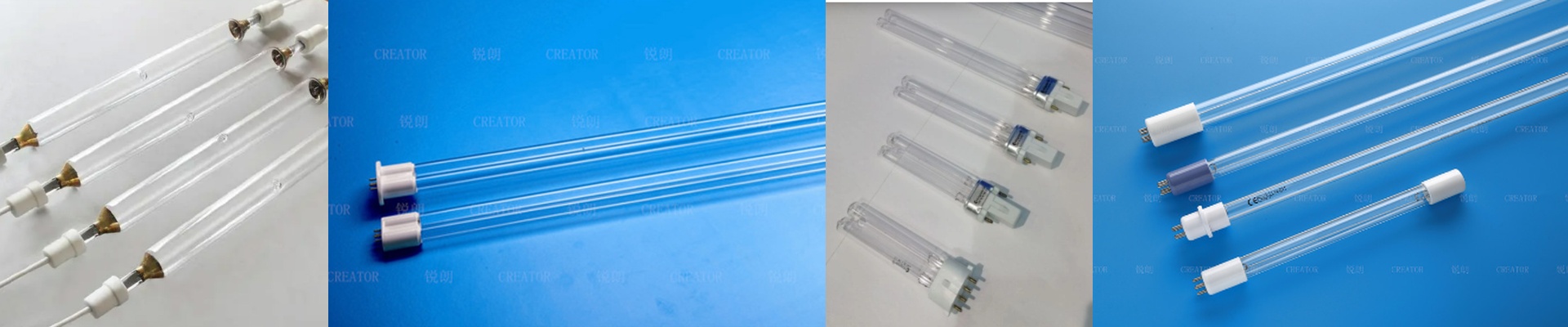
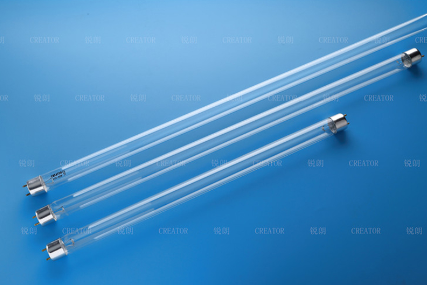
Inside, you’ll find a quartz halogen tube, not a standard arc lamp. Quartz handles the extreme heat cycles without cracking. The halogen cycle keeps the filament stable, so the output stays consistent for thousands of hours. That translates to fewer burnouts and less time spent fixing things on the floor. And the R7s connector? It’s just practical. It’s a simple, tough, two-pin design that makes wiring the unit a quick job. It’s a direct replacement for existing fixtures, so you don’t have to rework your whole machine.
The Payoff—and the Catch
On the shop floor, this setup cures inks instantly. That means you preserve color accuracy and stop colors from bleeding. The intense heat locks pigments in place, giving you that crisp, high-saturation look your clients pay a premium for. But there’s a trade-off. A 2500W lamp running at 400V throws off a lot of heat. Your machine’s cooling system needs to be up to the task. If the cooling can’t keep up, you risk overheating nearby electronics and hurting the lamp’s performance. So, before you wire it up, make sure you’ve got your thermal management sorted.