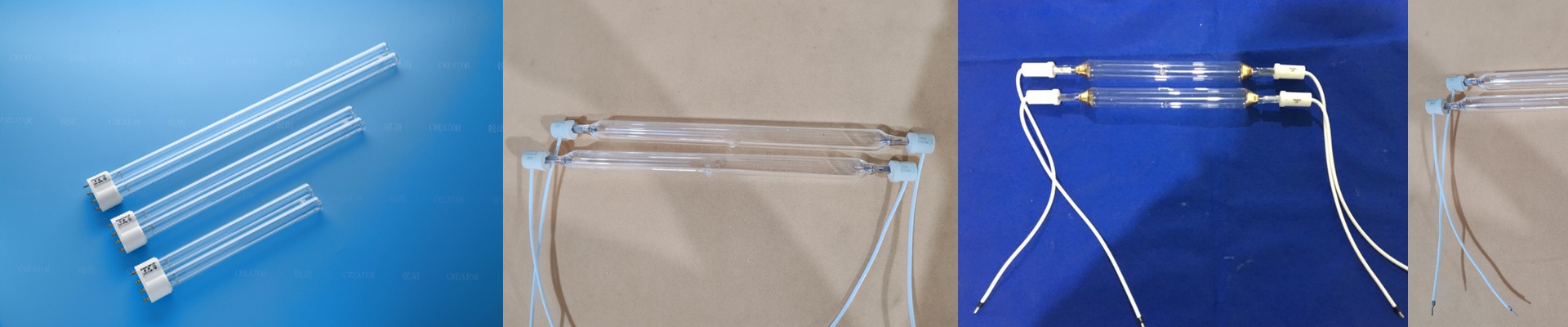
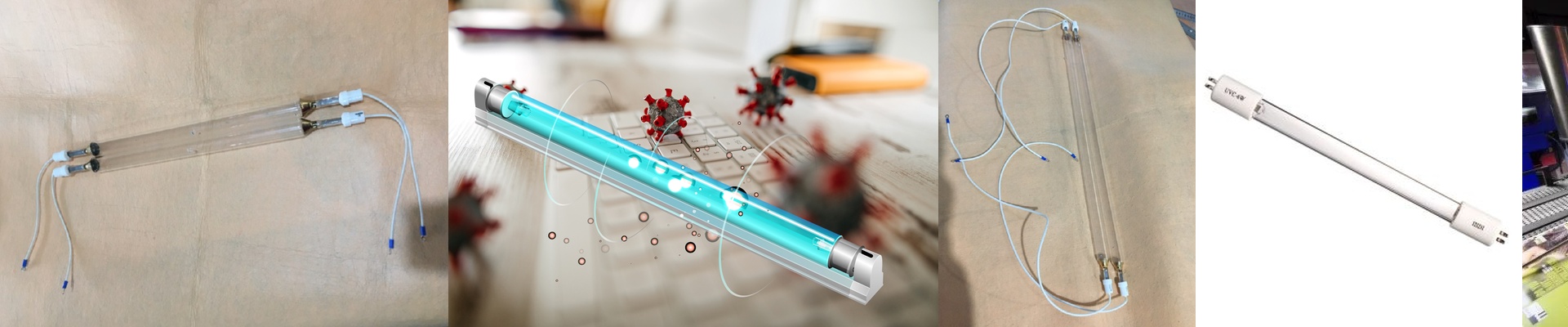
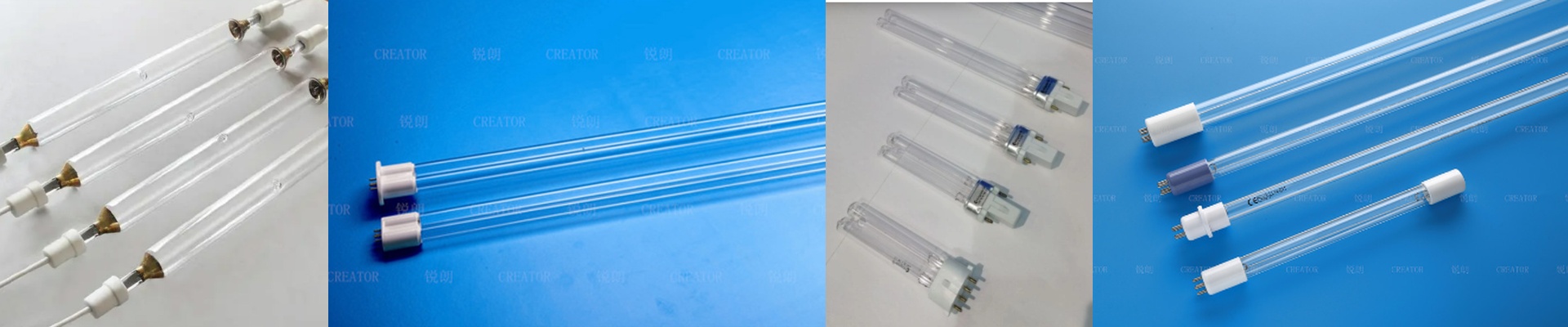
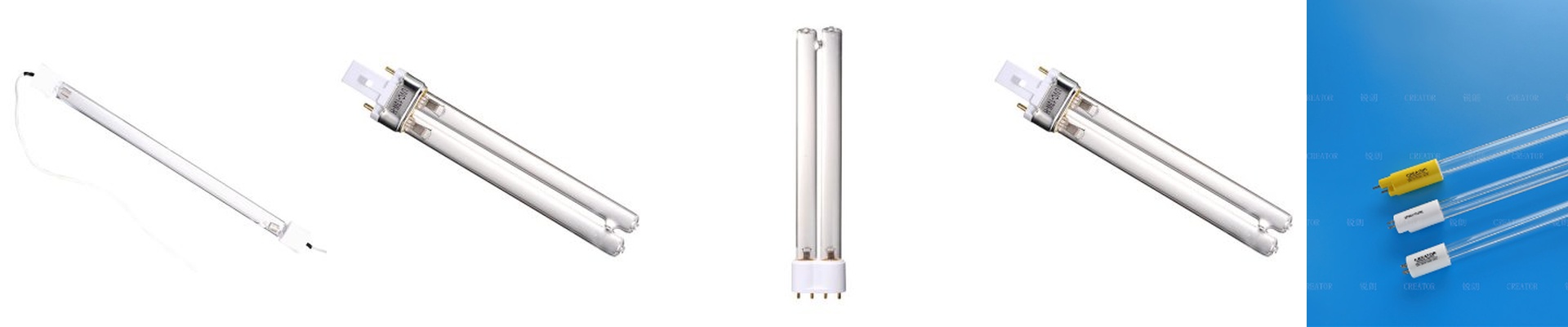
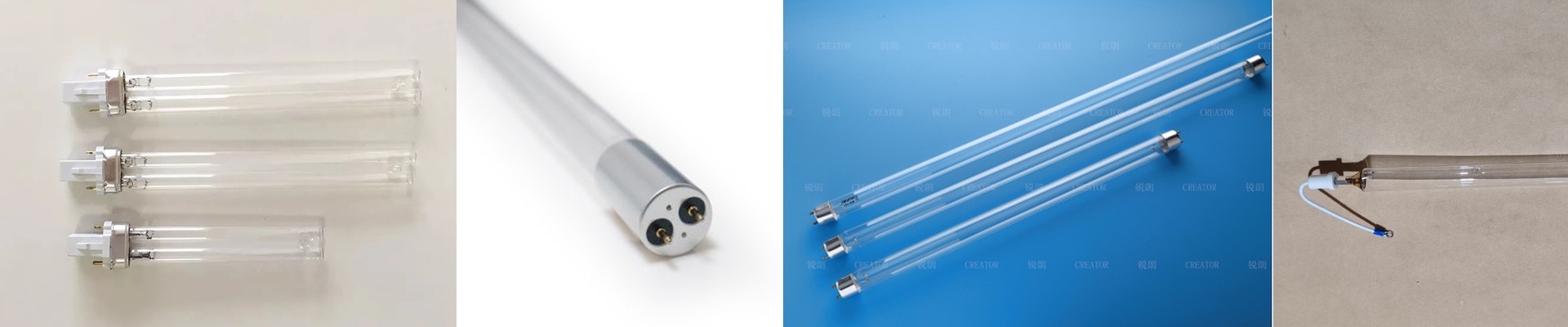
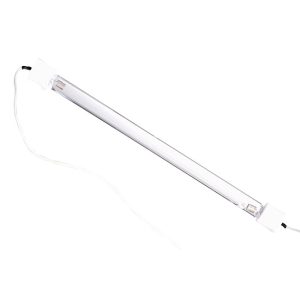
On the press floor, uptime and repeatability are the only things that keep the lights on. When the lamp doesn’t pull its weight, you don’t just lose minutes. You lose color consistency, adhesion, and margin—sometimes all at once. If you run UV offset, flexo, or screen lines as a wholesaler or converter, the question isn’t whether to spec a mercury UV lamp. It’s how to standardize one that delivers the same brand-level performance at every customer site. We build mercury UV lamp systems around the reflector—the part that turns electrical input into usable UV output. The spectral output and energy density are matched to the curing windows you actually run, not a theoretical ideal. And with our OEM and brand authorization program, you own the spec, the label, and the performance.
What matters under the hood: spectrum, irradiance, and reflector efficiency
Mercury vapor lamps put out a broad UV spectrum that excites photoinitiators across multiple wavelengths. In the real world, the dominant lines around 365 nm and the 365–395 nm region drive cross-linking in most ink and coating formulations, while the visible and IR portions add heat. The reflector’s job is to shape that output so the substrate sees enough peak irradiance across the active band, without dumping energy into the press frame. Our mercury UV lamp assemblies use an ozone-free design and a dichroic-coated reflector, so the optics selectively transmit and reflect to keep the UV where it’s needed. The reflector geometry is tuned to hold a uniform irradiance profile across the cure zone, which cuts down hot spots and prevents edge underexposure. The payoff is consistent photoinitiator activation and a more predictable cross-linking rate across the sheet or web. Here are the performance drivers you can specify under your brand:
- Spectral distribution: Mercury vapor output centered on the 365 nm line, with a controlled contribution in the 385–395 nm region for formulations that need longer wavelength penetration.
- Peak irradiance: Delivered at the substrate plane, high enough to clear the photoinitiator threshold and get rapid radical generation.
- UV energy density (mJ/cm²): Measured at the nip or cure window to ensure full conversion, not just surface drying.
- Reflector efficiency: High reflectance in the UV band, with controlled rejection of excess IR to keep substrate heating in check.
- Lamp life curve: Stable output over 1,000–1,500 hours under typical industrial cycling, with predictable depreciation so you can plan replacements. You can also specify the electrical and mechanical details that fit common press architectures: arc length, end fittings, lamp power, operating voltage, and connector type. If your customers run Heidelberg, KBA, Manroland, Mitsubishi, or other sheetfed and web platforms, we match the lamp envelope and mounting geometry so it drops in clean.
Why this works: OEM that scales across presses and plants
Wholesale customers aren’t buying a lamp. They’re buying a repeatable process. Under our OEM service, you define the performance envelope—curing speed, spectral output, and duty cycle—and we supply the mercury UV lamp with reflector as a private-label system. The result: your customers get the same cure profile from plant to plant, press to press. In flexo and screen, thick deposits and pigmented inks need deeper UV penetration. The mercury spectrum, paired with reflector-controlled irradiance, gives you the through-cure required to avoid tackiness and blocking. In UV offset, the system provides the fast cross-linking needed for immediate downstream handling, with dot integrity that stays stable. Operationally, you get:
- Brand consistency: Your label, your part numbers, your documentation.
- Standardized curing windows: The same spectral output and energy density targets across installations, which simplifies ink and coating qualification.
- Less downtime: Predictable lamp life and drop-in form factors mean fewer changeouts and fewer press stops.
- Better control over heat and energy: Reflector efficiency reduces wasted IR, which lowers HVAC load and reduces the risk of substrate distortion. This isn’t a catalog rebrand. It’s a co-engineered UV subsystem, aligned to your performance claims and your customers’ pressroom reality.
The practical details: integration, compatibility, and operating constraints
A high-output mercury UV lamp isn’t a plug-and-play bulb. It’s a system that has to match the press’s electrical and thermal environment.
- Ballast and igniter compatibility: Mercury UV lamps need matched ballasts and igniters. Tell us your press platform, and we supply a compatible lamp/reflector/ballast package. Mismatched ballasts lead to an unstable arc, lower peak irradiance, and shortened lamp life.
- Thermal management: Even with an ozone-free design, heat is part of the deal. Airflow and reflector cooling must be maintained as designed. Blocked vents or dirty reflectors shift the energy balance and can push substrate temperature past tolerance.
- Substrate sensitivity: Thin films and heat-sensitive materials demand tight IR control. The reflector reduces IR, but the lamp still produces heat. If you run very thin or low-thermal substrates, we can tune the reflector coating and power profile to keep temperatures in range.
- Lamp handling and end-of-life: Mercury lamps are sensitive to oils and contamination. Handle them by the ends, keep the quartz clean, and replace on schedule based on measured output drift. End-of-life usually shows up as rising voltage, falling current, or a measurable drop in UV energy density.
- Safety and ozone: Ozone-free designs cut down on ozone generation, but you still need adequate ventilation. The cure zone should have proper exhaust to remove any trace ozone and maintain air quality. If you want to build a UV brand that stands on performance—measured in spectral output, peak irradiance, and consistent cross-linking—start with a mercury UV lamp and reflector engineered to spec, delivered under your name. We provide the technical backbone. You take the credit.