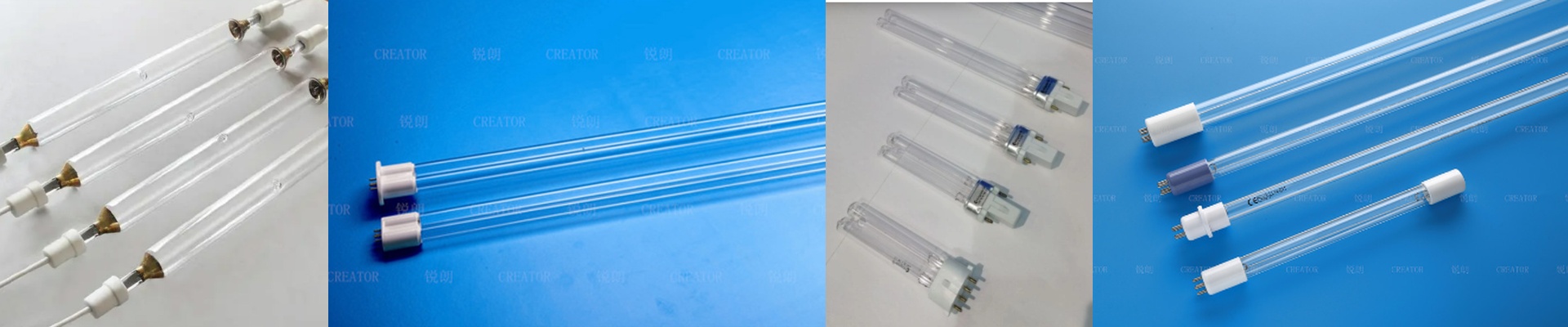
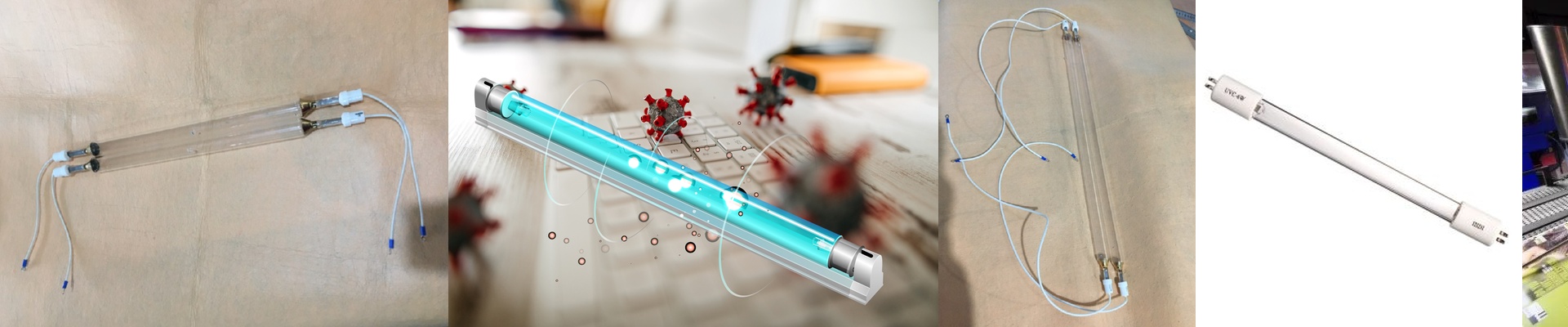
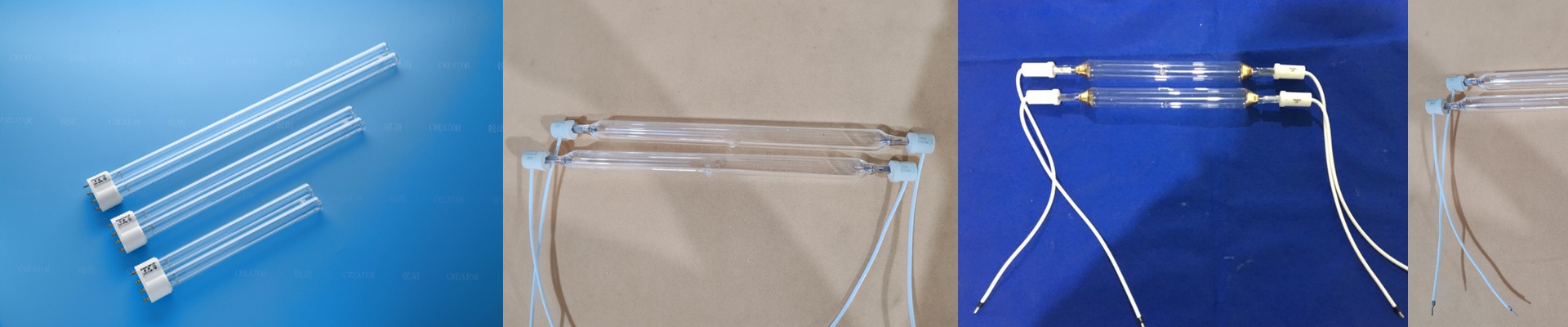
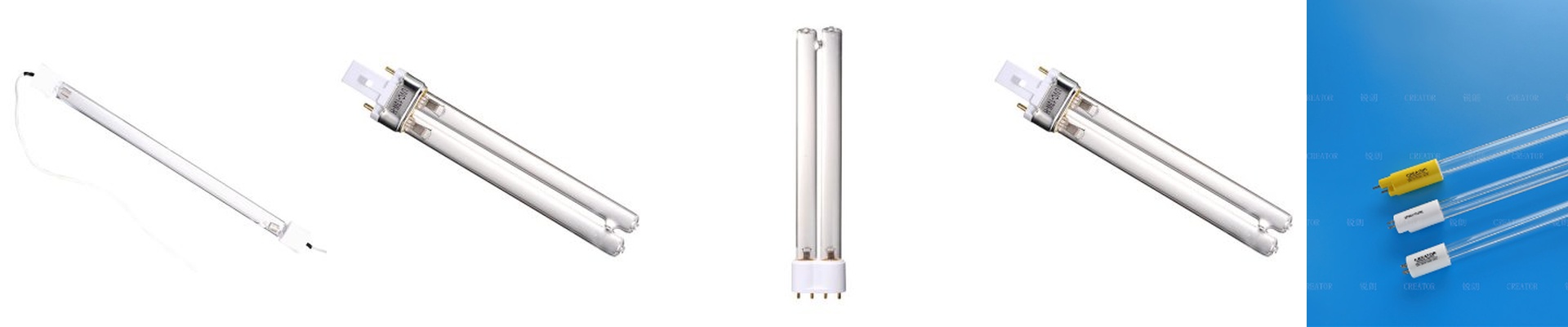
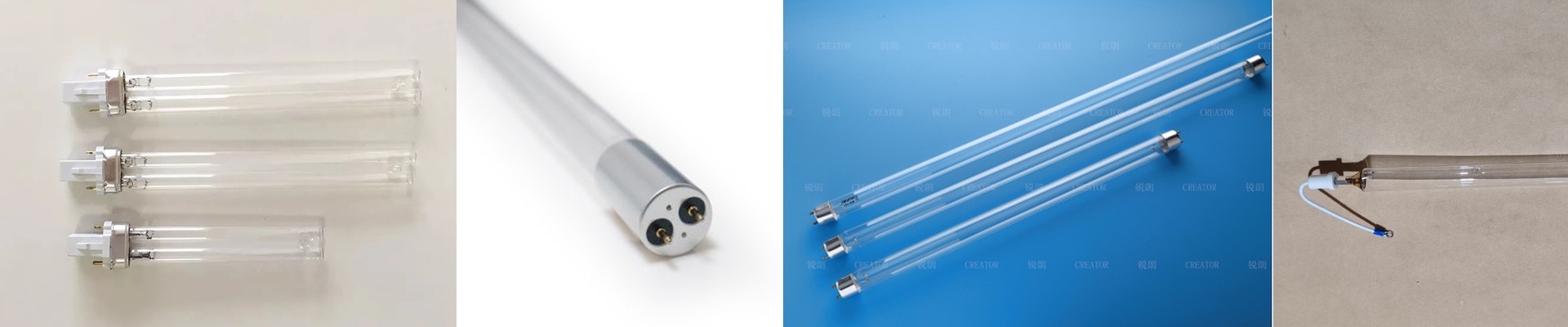
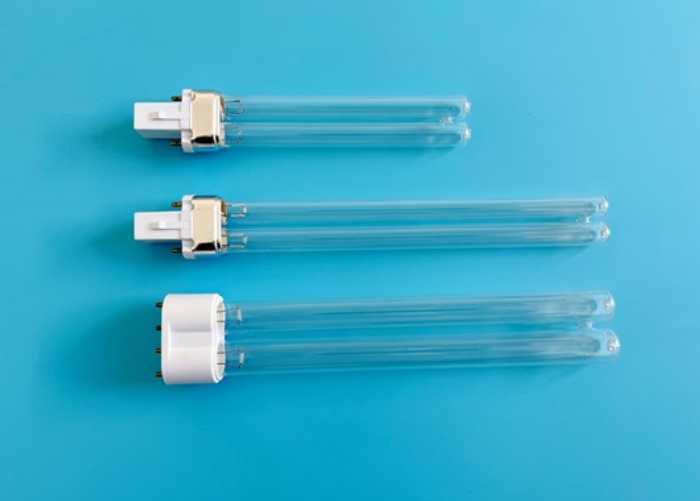
On the floor, a coating durability test is only as good as the UV lamp behind it. Voltage swings—normal in any industrial plant—don’t just dim the lamp. They distort spectral output, knock down peak irradiance, and push the cure profile off target. The result? Incomplete cross-linking, surface tack, and test results that won’t repeat. We built this UV lamp for coating durability testing around one simple demand: hold cure energy and spectral stability even when the line voltage is messy. The payoff is repeatable curing for accelerated weathering and adhesion testing—without the drift that ruins data integrity.
What actually matters: stability, spectra, and cure energy
Coating durability testing isn’t about bright light. It’s about repeatable, quantifiable curing. We pair a high-pressure mercury vapor source with a closed-loop compensation circuit. When line voltage shifts, the compensation stage adjusts on the fly to keep arc stability and output consistent. Here are the technical levers that determine performance:
- Spectral output: The mercury spectrum gives you strong emission at 365 nm, plus UVA/UVB lines that activate photoinitiators across many industrial coatings. That’s the right mix for deep cross-linking, not just surface drying.
- Peak irradiance: Coatings cure through photochemical reactions that depend on irradiance, not just total energy. We hold peak irradiance steady so polymerization starts fast—without undercuring at the substrate interface.
- Cure energy density: Durability testing needs a fixed, repeatable energy dose. The lamp maintains the required mJ/cm² window across the test cycle, even when voltage fluctuations would otherwise cut output.
- Electrical tolerance and compensation range: The driver and compensation circuit are spec’d to handle real-world voltage variation without dropping the arc or creating output ripple. That keeps the lamp at its designed operating point, where spectral distribution and lamp life stay predictable. That’s the heart of UV curing: instant initiation, deep penetration, and complete cross-linking. When output is stable, you get full cure in one pass—and you stop blaming the test for variability that’s really coming from the lamp.
Why this works in messy plants: voltage swings, harsh environments, and repeatable data
In coating durability testing, the environment is often rough—heat, dust, and unstable mains. Voltage fluctuations go straight for repeatability. A quick dip drops irradiance; a surge can cause thermal cycling that shifts arc characteristics. Either way, your coupon gets a different cure dose than the run before. Our compensation system is designed to fight those disturbances. It holds the lamp at a stable electrical operating point so spectral output stays consistent, run after run. In practice, that means:
- Consistent test conditions: The same cure dose lands on every coupon, so durability comparisons are statistically solid.
- Faster cycle times: The lamp starts and stabilizes quickly, so you spend less time waiting for stable output and more time running tests.
- Deeper penetration without overcuring: The mercury spectrum, paired with stable irradiance, cures pigmented and filled coatings more uniformly—reducing surface-only cure that hides adhesion issues.
- Fewer lamp-related failures: By preventing repeated arc disruptions and thermal stress, the compensation design cuts the early-life output drop that forces premature replacement. This matters when you’re qualifying a coating line. If lamp output drifts, you can’t separate material performance from lamp variability. With stable output, the test isolates what you really need: how the coating behaves under controlled, repeatable cure conditions.
What you need to know: installation, compatibility, and real-world constraints
This lamp is a performance component for a controlled test setup, not a plug-and-play bulb.
- Integration requirement: The lamp and compensation circuit must match the test chamber geometry and reflector assembly. Output uniformity depends on reflector alignment and lamp positioning. Treat installation as a systems job, not a simple retrofit.
- Power infrastructure: Compensation reduces sensitivity to voltage fluctuation, but the supply still needs to stay within the specified input range. Extreme, sustained voltage excursions will push the system beyond its compensation band.
- Cooling and operating environment: Stable output needs thermal stability. Adequate airflow and proper heat management are mandatory. If the chamber overheats, the lamp’s operating point shifts, and output consistency falls off.
- Ozone management: High-pressure mercury lamps can generate ozone. We use an ozone-free design and recommend proper venting or chamber air management—both for operator safety and to prevent corrosion in the test area.
- Lamp life and output decay: Even with stable operation, output declines over time due to electrode wear and fill degradation. Schedule periodic radiometer checks of irradiance and spectral output, and plan replacement based on measured output, not calendar time. If you run coating durability tests, the lamp isn’t just part of the setup—it’s the source of repeatability. When voltage fluctuations threaten stability, the compensation circuit keeps the cure dose honest, cross-linking complete, and test data credible.