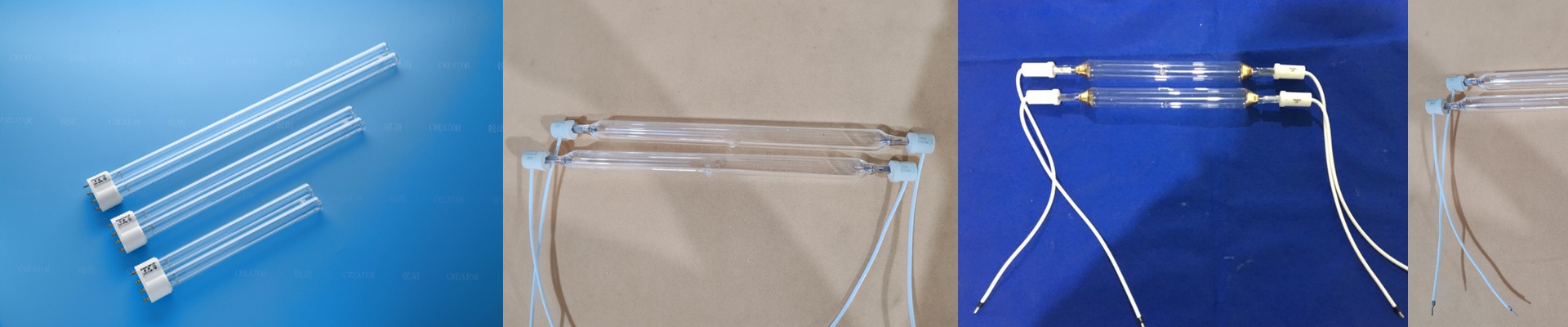
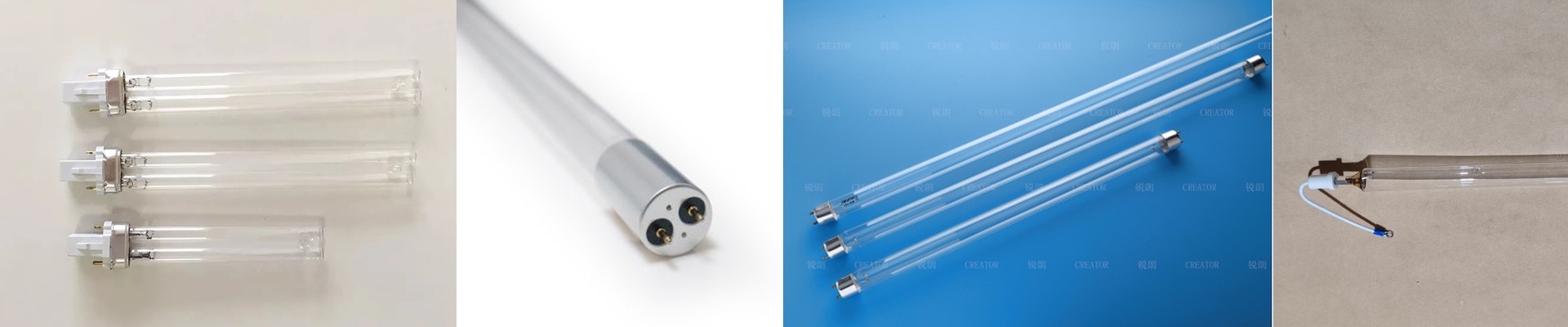
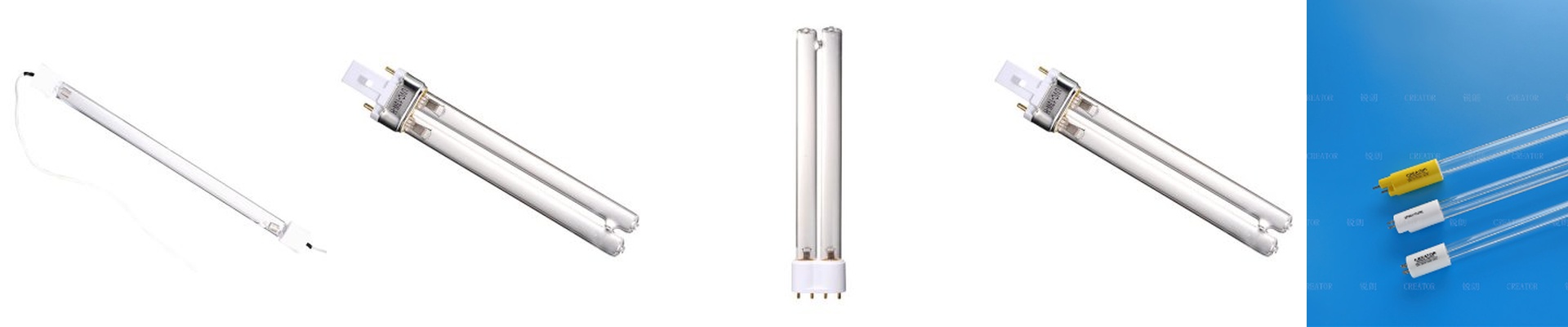
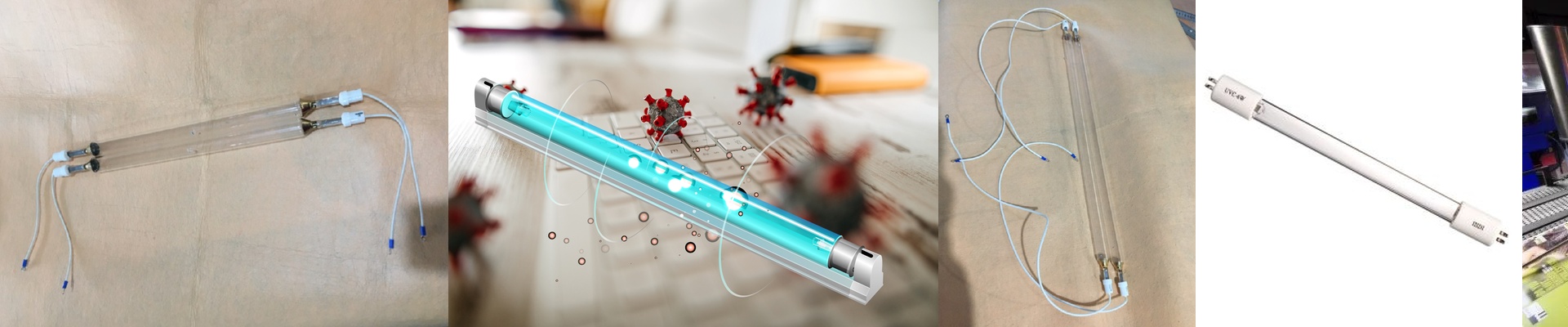
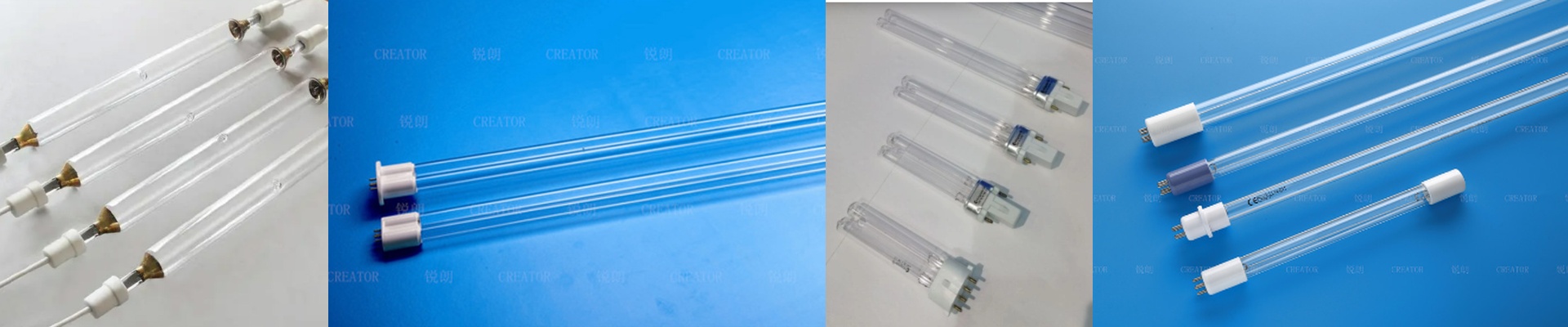
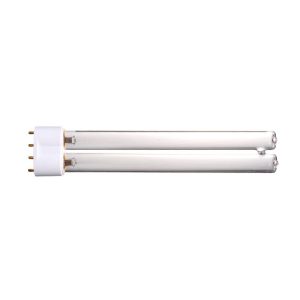
You run the same ink batch across multiple presses, and somehow the Pantone match drifts from shift to shift. Nine times out of ten, it isn’t the ink. It’s the UV spectral output. If the lamp’s peak wavelength isn’t sitting on the photoinitiator’s absorption band, cross-linking falls apart. You get surface cure that looks dry, but the pigment matrix never gets anchored. That’s how you wind up with metamerism and color shift—right there under daylight and QC lamps. What matters technically UV curing is photochemical, not thermal. Mercury vapor lamps don’t give you a smooth curve; they deliver discrete emission lines. The dominant 365 nm line is what drives thioxanthone-based initiators common in offset and screen inks. Meanwhile, 385 nm and 405 nm lines are better matched to LED-formulated systems. Match the lamp spectrum to the ink chemistry, or the photoinitiator simply can’t generate enough radicals. When you measure performance, do it properly: peak irradiance in mW/cm² at the substrate plane, energy density in mJ/cm², and the full spectral power distribution. A dichroic reflector concentrates usable UV while cutting IR. That keeps substrate temperature stable and prevents dot gain on heat-sensitive stocks. Why it works in practice In offset and screen, color consistency comes down to stable curing energy across the sheet—and across the run. When you have a mercury lamp whose wavelength matches the ink, the film cures uniformly through its thickness. Pigment stays locked in place, and set-off disappears. You’ll see repeatable ΔE from the first impression to the thousandth, less makeready, and fewer rejects. The same lamp also brings high peak irradiance to bear on thick screen deposits, so you don’t get under-cure in the mid-layer—the kind that shows up later as tack and blocking. Here’s what to watch Match the lamp to the press cure station. Arc length, reflector geometry, and the shutter interface have to line up. Output will drop as electrodes wear and the quartz solarizes, so schedule radiometer checks and plan lamp replacement intervals. Keep ozone management and cooling airflow sorted; that’s what keeps the arc stable. And if you’re running LED-compatible inks alongside mercury-compatible inks, dedicate stations. Mixing them is an easy way to create a spectral mismatch.