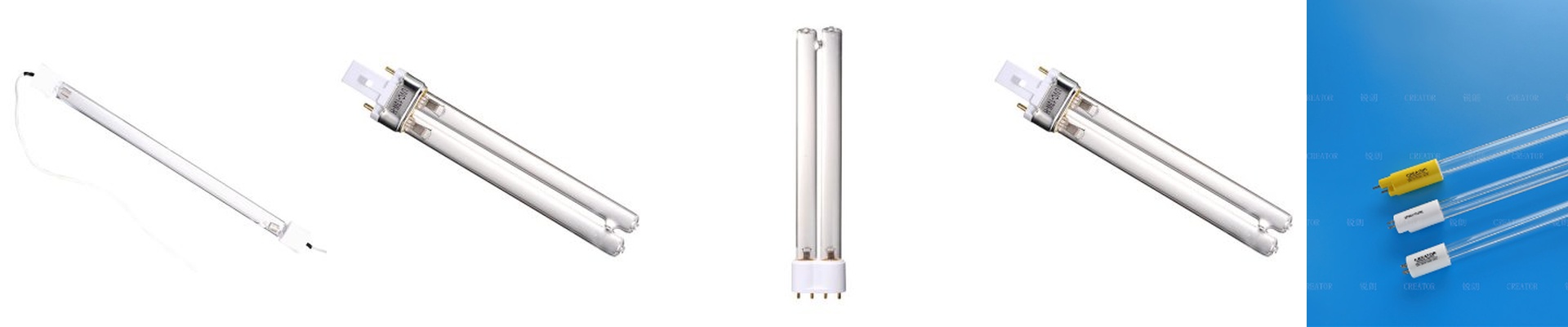
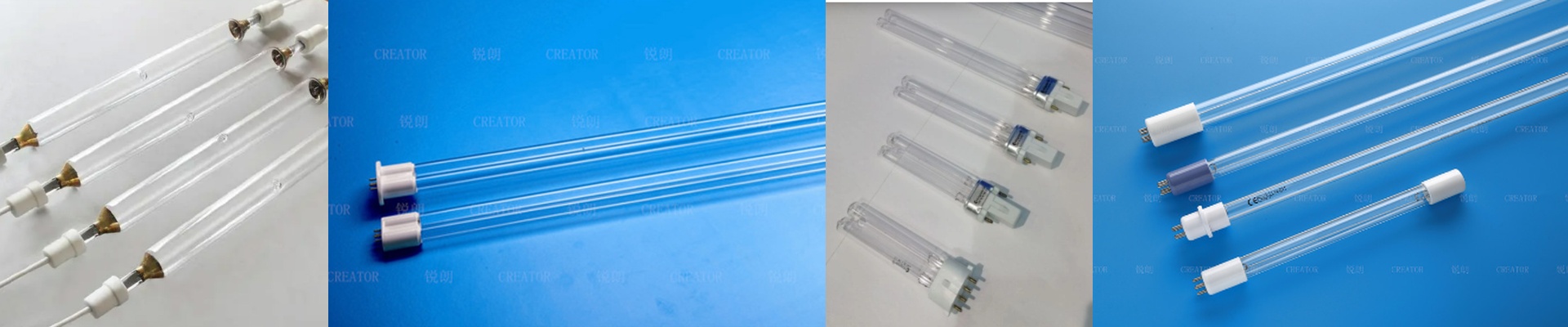
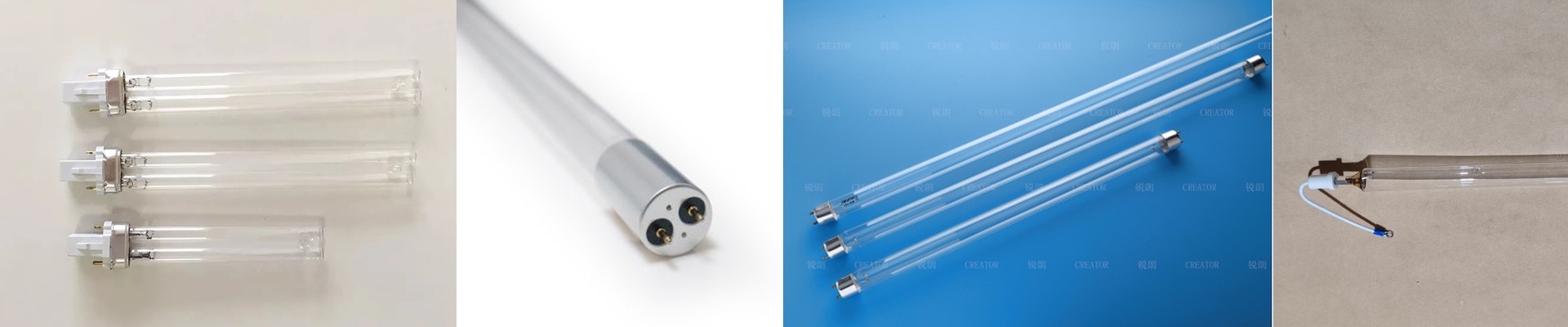
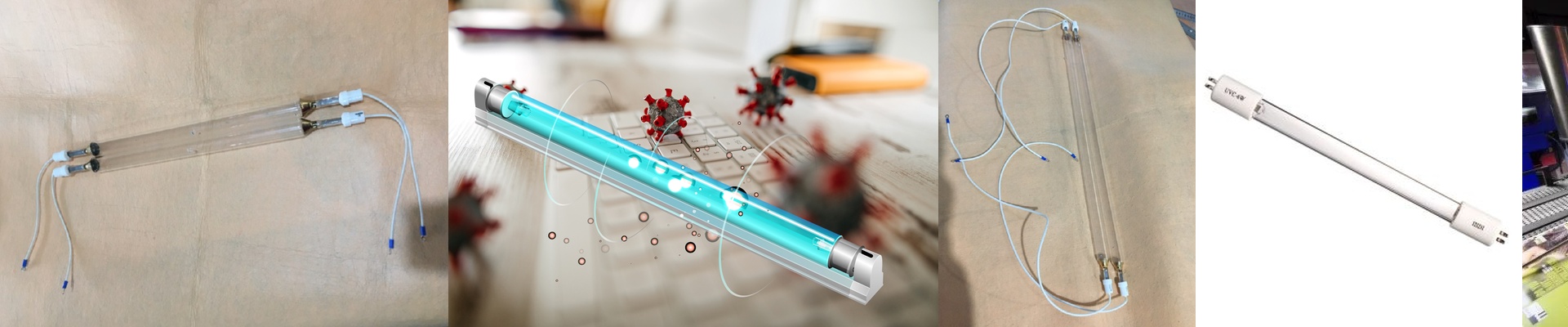
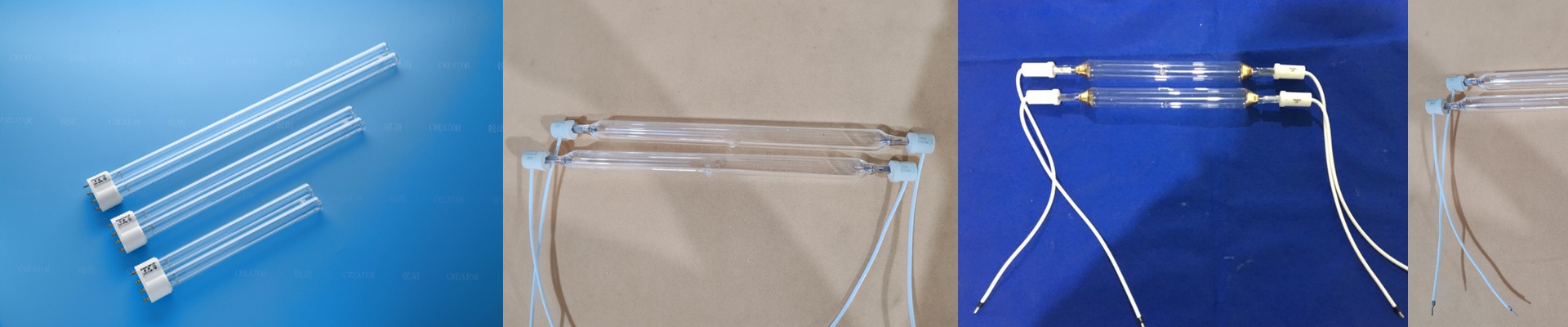
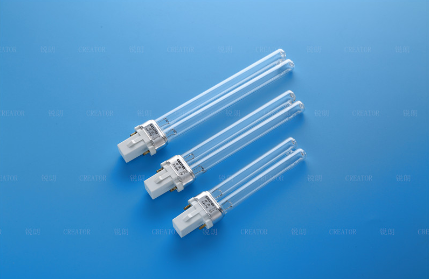
On an automotive paint line, every minute you spend waiting for solvents to flash and coatings to harden adds up fast—by the end of the week, you’re looking at lost hours. Convection ovens and IR stages keep you chasing throughput, and you’re still wrestling with heat stress on sensitive substrates. Swap that wait out for a single pass, and the right UV curing lamp makes it happen. What matters, technically We built this around a high-pressure mercury vapor lamp, tuned so the spectral output peaks at 365 nm and stays strong across 385–405 nm. That range lines up with the absorption profile of the photoinitiators in clearcoats, basecoats, and primers, so photopolymerization kicks off fast. Peak irradiance tops 12 W/cm² at the arc, and with a high-reflectivity dichroic-coated reflector, you’re still delivering above 1,500 mJ/cm² at the surface. That gives you a surface cure instantly, plus deep enough penetration to get full cross-linking through the film—even at 60–80 μm. Start-up is immediate, output stabilizes in seconds, and lamp life is rated to 2,000 hours with under 8% output decay. The system runs ozone-free and plugs into standard industrial power and cooling. Why it fits the shop In automotive finishing, you need a cure that’s fast, uniform, and repeatable—without warping plastics or distorting metal. This lamp delivers the exact UV energy needed to trigger cross-linking in seconds, so you can cut out the long thermal dwell and shorten the line. You get the same cure profile panel to panel, from door skins to hoods, and the finish is ready to sand and assemble right away. Energy use drops because curing is on-demand, and maintenance stretches out because the lamp cycles with the part, not the clock. The practical details Installation comes down to getting the reflector aligned and keeping airflow consistent across the lamp and shutter. Surface temperature rise is low, but the lamp output is high—check reflector integrity and keep the interlocks in place. Compatibility depends on your coater width, line speed, and cure window, so match lamp power and spectral output to the coating’s photoinitiator package. If you’re running pigmented or thick-film systems, run a pilot to confirm energy density across the full width.