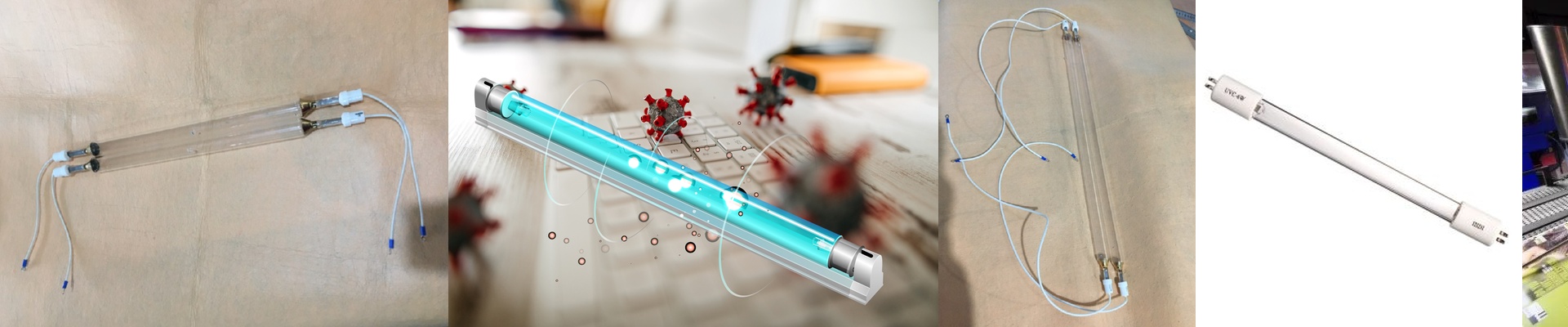
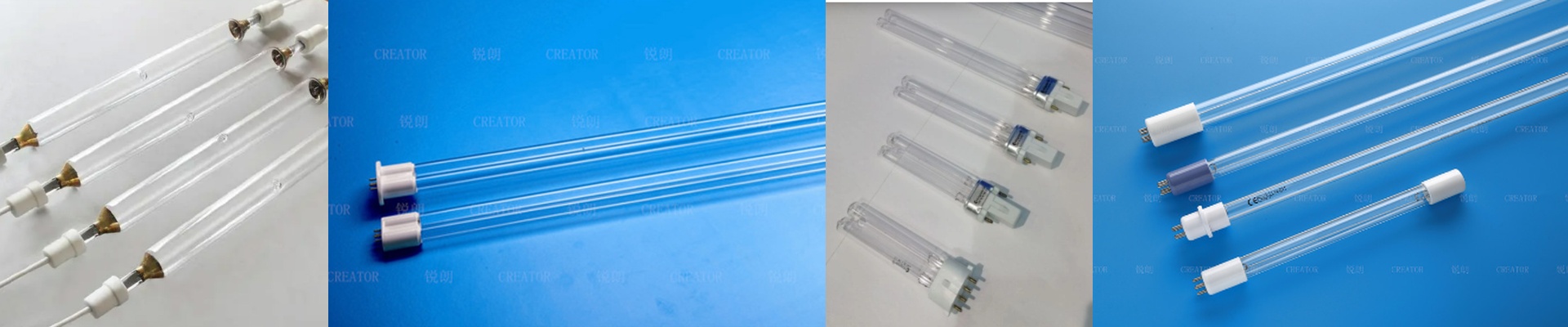
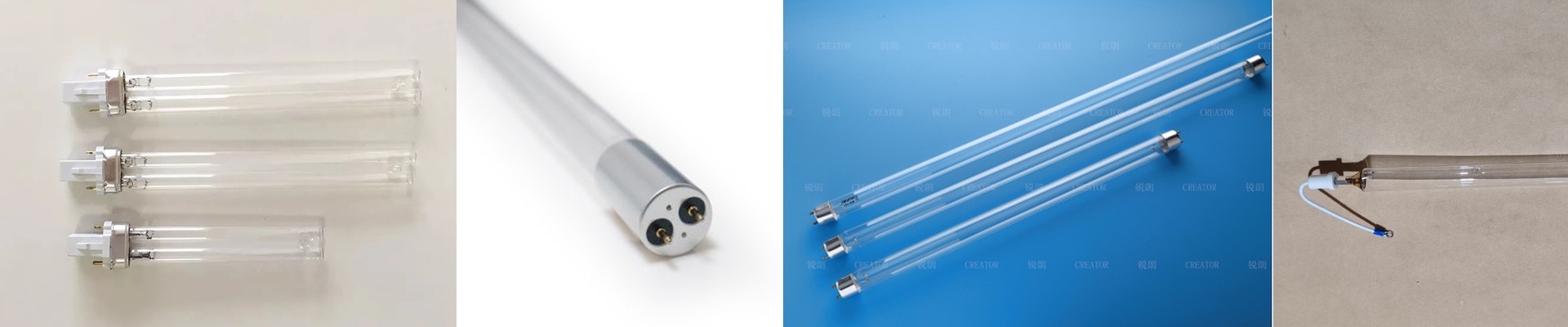
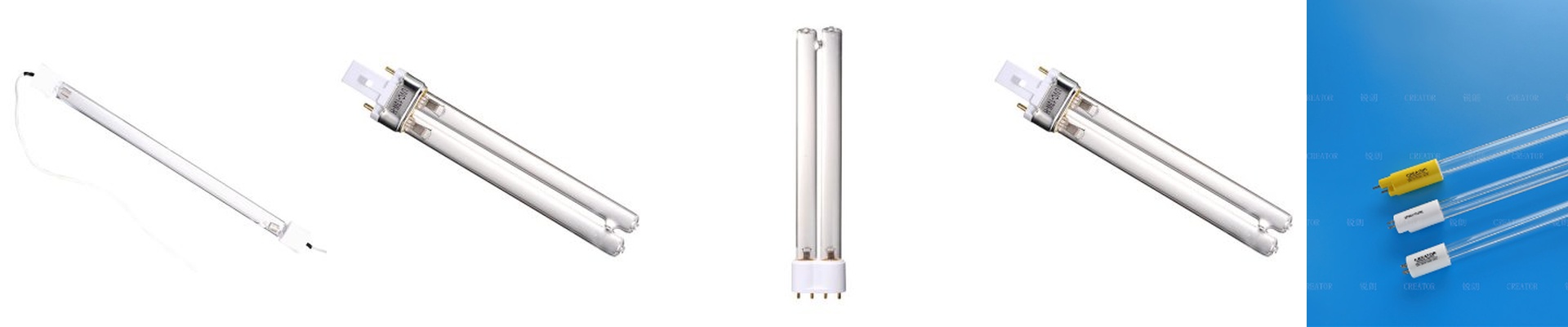
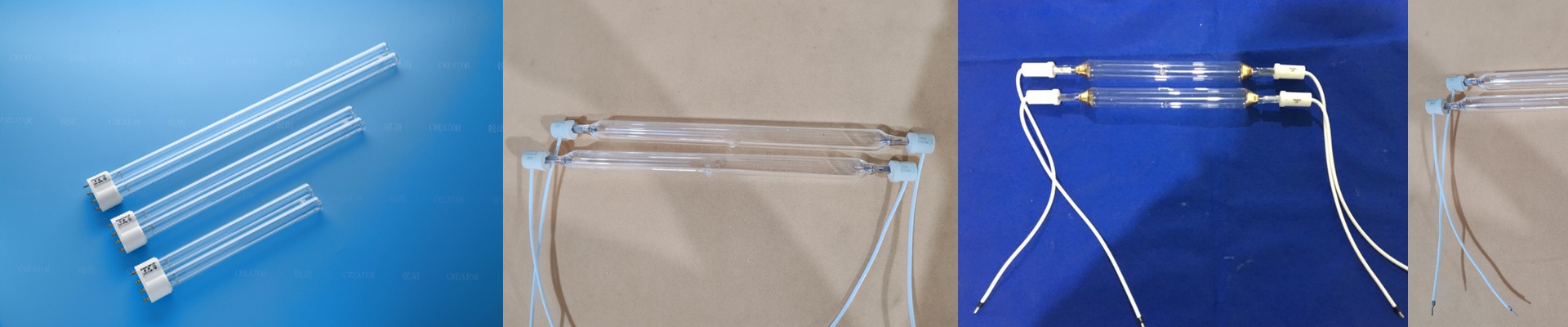
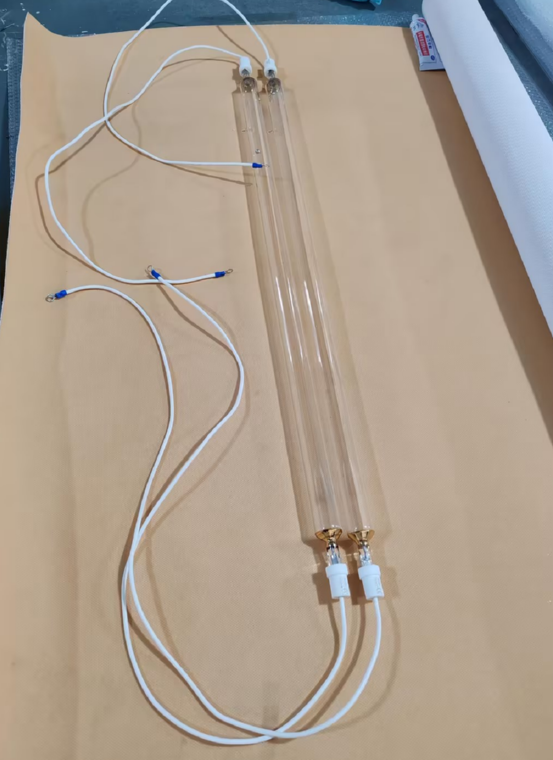
On the press floor, anyone selling UV consumables learns this fast: if the lamp’s spectral output doesn’t line up with the ink’s photoinitiator absorption, you’re buying yourself under-cured ink, adhesion problems, and a pile of rework. The real question isn’t just which lamp to stock—it’s which lamp keeps the machine profitable when you’re running wide open. What actually matters under the hood Iron gallium UV lamps hold their output steady in the near-UV band where most offset, flexo, and screen UV inks cure. Peak irradiance, measured right at the substrate, sets the cure speed. Energy density, in mJ/cm², decides whether the surface and the underlying layers fully cross-link. We build iron gallium systems to keep spectral output consistent over life, so you don’t get that steady drop that forces operators to back off the press speed just to keep the cure honest. Reflector geometry and dichroic coatings are tuned to deliver usable photons at the target wavelength, not just brute power. Why this matters for consumables suppliers If you’re supplying printing consumables, the payoff is measurable: fewer lamp changes, cure windows you can count on, and less scrap from cure that swings across the sheet. Iron gallium lamps give you the spectral match that high-pigment and thick-layer inks demand, so you can run faster without scorching—or leaving the ink underdone. The outcome is stable throughput, lower energy per print, and a consumables line that earns repeat orders because it keeps the press running. The details that bite you if you skip them Installation has to respect reflector alignment and cooling airflow. Get that wrong, and you lose irradiance at the substrate—and you’ll shorten lamp life. Always confirm arc length, base, and electrical interface against the specific curing module. And don’t overlook ozone management. Iron gallium lamps can be ozone-free when you pair the right envelope and reflector design. Spec the lamp to the ink chemistry and the press model. Watage alone doesn’t tell the story.