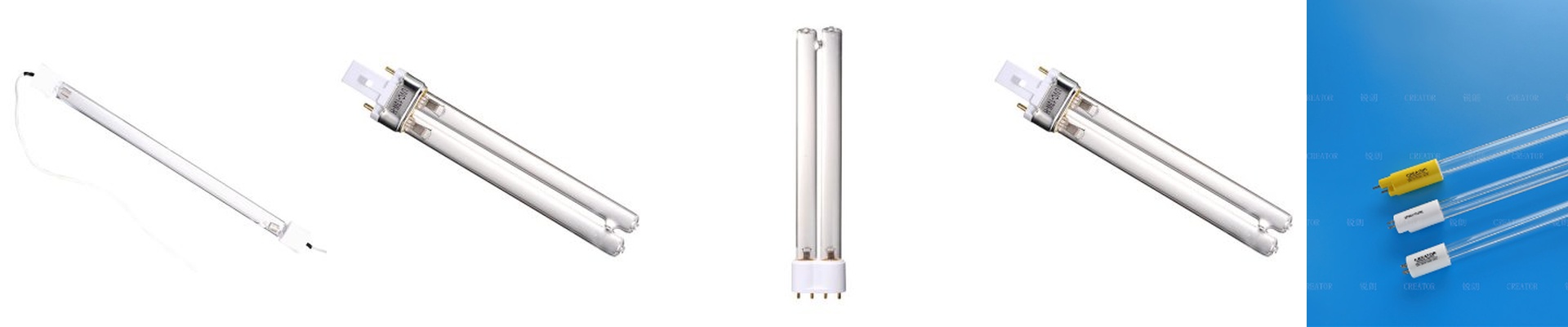
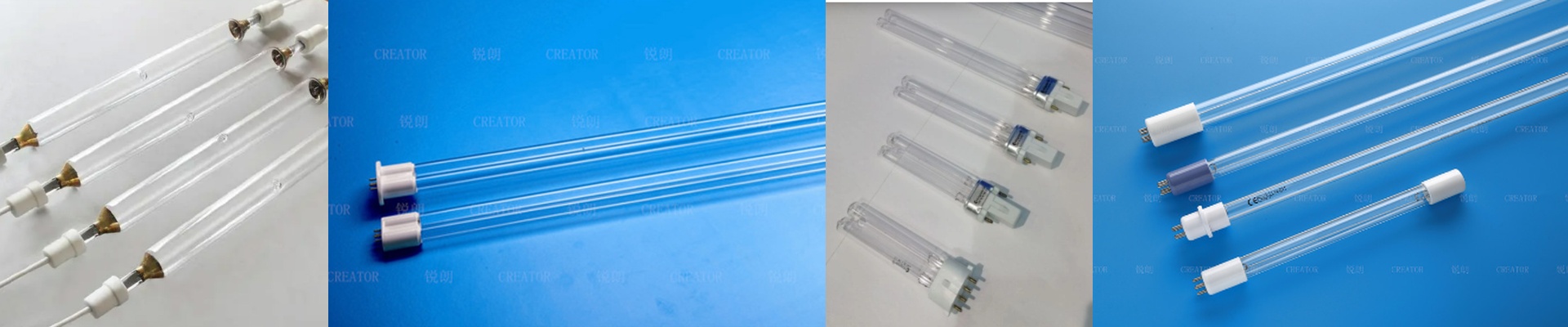
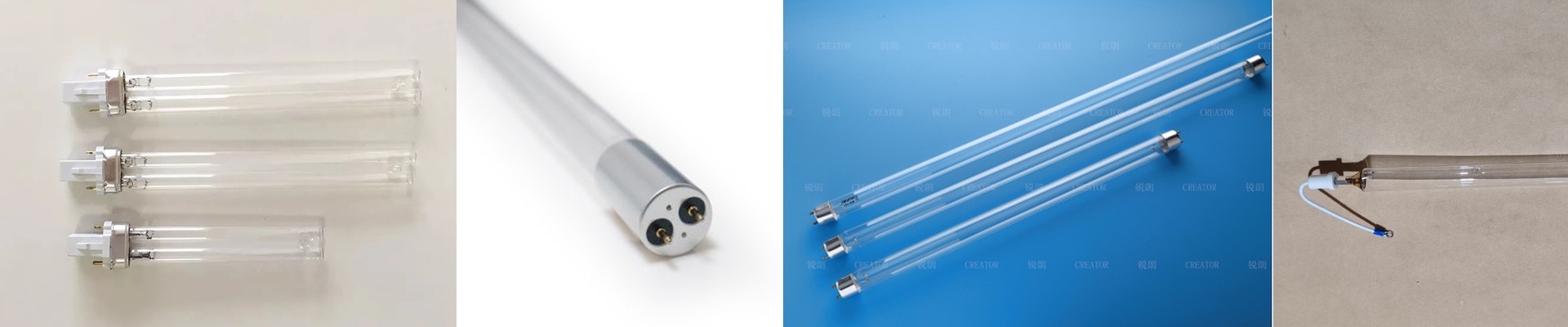
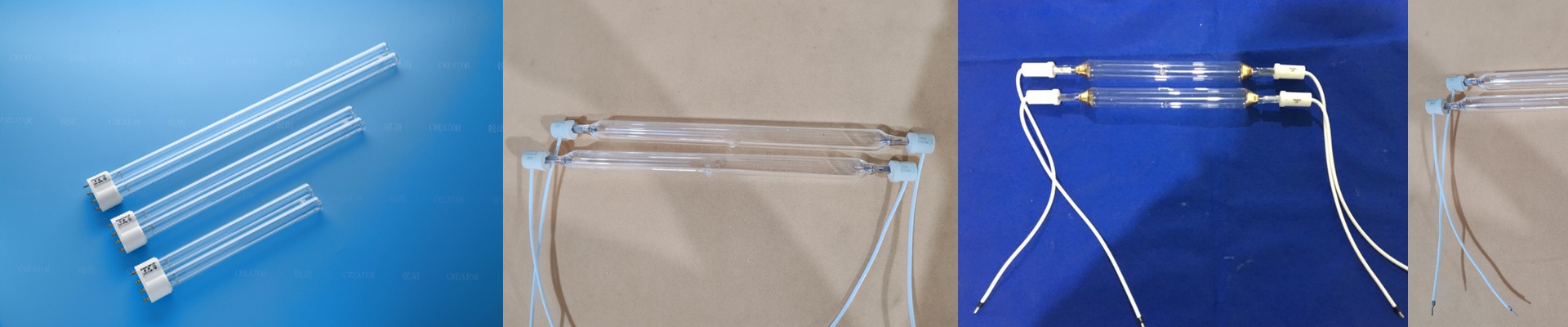
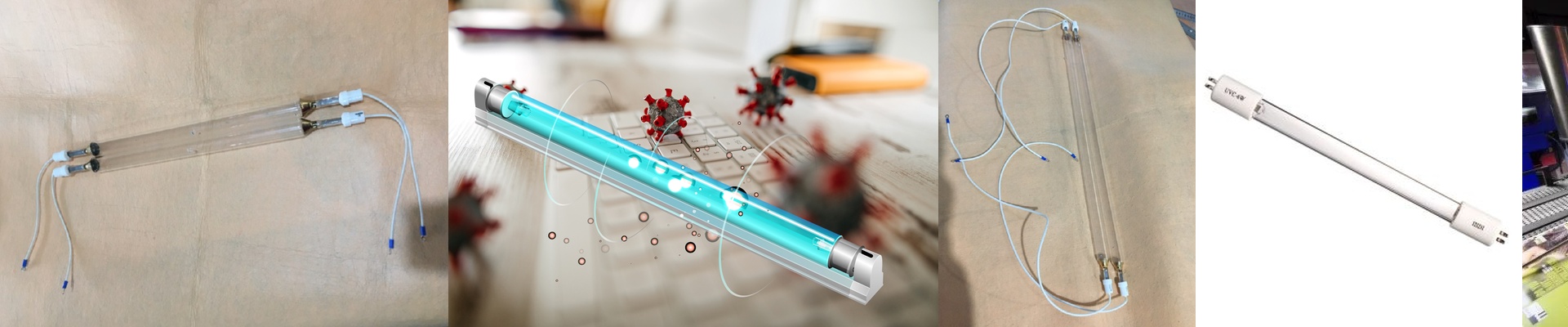
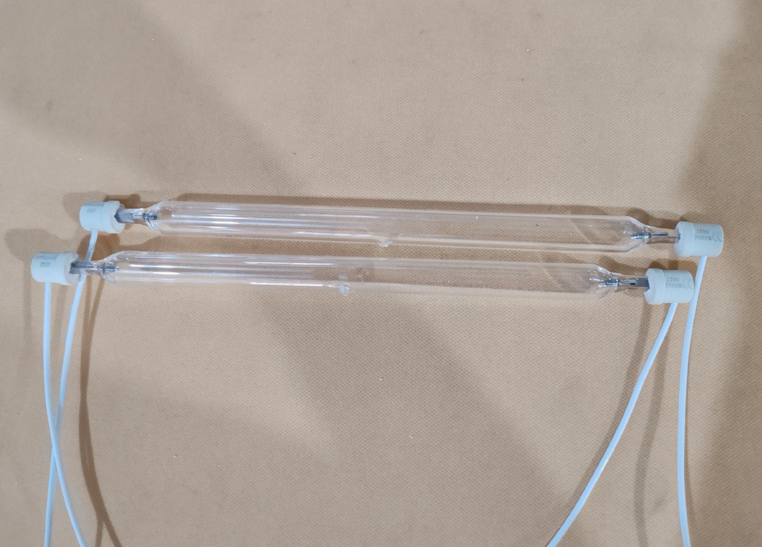
In air purification setups, stopping pathogens from jumping around comes down to one thing: consistent, high-output UVC exposure. If the gallium iodide lamp won’t strike, or it runs under spec, the whole disinfection cycle is shot. Bioburden creeps in, and compliance starts slipping away. The ignitor is the gatekeeper here. What matters, technically Gallium iodide lamps are built to focus germicidal output by shifting the mercury emission spectrum. They suppress the 254 nm line and boost the 253.7 nm band, which is what tears up microbial DNA. Our ignitor is tuned for that chemistry: it delivers a controlled high-voltage pulse—typically 3–5 kV—with a precise rise time and energy. That gets the arc established cleanly, without electrode sputtering. The pulse profile keeps current surge in check, so you preserve filament integrity and hold spectral output steady over the life of the lamp. It’s compatible with ozone-free quartz envelopes and standard lamp bases, so it drops straight into compact air-purifier modules. Why it fits the job Air purification needs fast, repeatable lamp strikes—at startup and again during duty cycles. This ignitor gives you repeatable ignition even when line conditions vary, which translates into predictable UVC fluence. That means you can specify dose with confidence, keep microbial reduction consistent, and stretch service intervals. You end up replacing lamps less often, cutting maintenance labor, and keeping irradiance stable so disinfection stays inside validated parameters. Things to keep straight Match the ignitor to the lamp’s power class and ballast interface. A mismatched driver will push the lamp to end-of-life early and drift the spectrum. Double-check connector polarity and clearance inside tight chassis to avoid arcing and EMI. And make sure the lamp runs within its rated envelope temperature. Gallium iodide performance is sensitive to thermal conditions, and no ignitor can fix a lamp that’s underheated or overdriven.