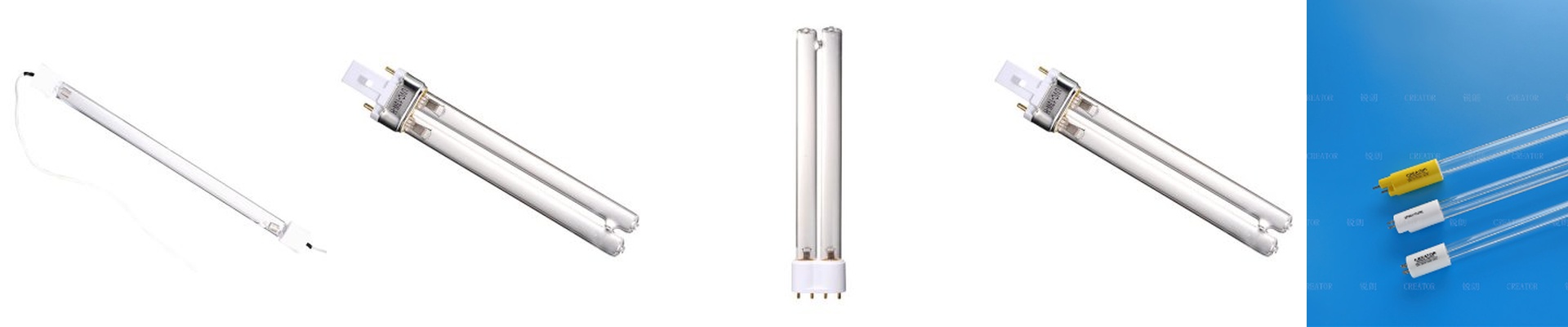
Getting Your UV Wavelengths Right
Most UV lamps you buy off the shelf are a bit of a mess—they throw out a broad spectrum of light and hope for the best. We don’t work like that. Our lab focuses on narrow-band emission. Why? Because your resin or ink has a specific photoinitiator that only wants one thing. If your curing agent is looking for 365nm, but your lamp is leaking infrared heat, you’ve got a problem. You’ll end up warping your substrate before the surface even skins over. To stop that, we get surgical with the gas mixture and the quartz envelope.
The Nitty-Gritty of Spectral Control
We don’t guess. We tweak the electrode geometry and the mercury vapor pressure until the light is exactly where it needs to be. Then, we use spectrophotometers to prove the peak intensity is hitting your target. But here’s the thing: high-intensity light needs steady power. If your voltage drifts, your curing speed tanks, and your whole production line slows to a crawl. That’s why we design every lamp to fit the electrical footprint of your existing ballast. No surprises, and no burnt-out gear.
Quartz and the Heat Struggle
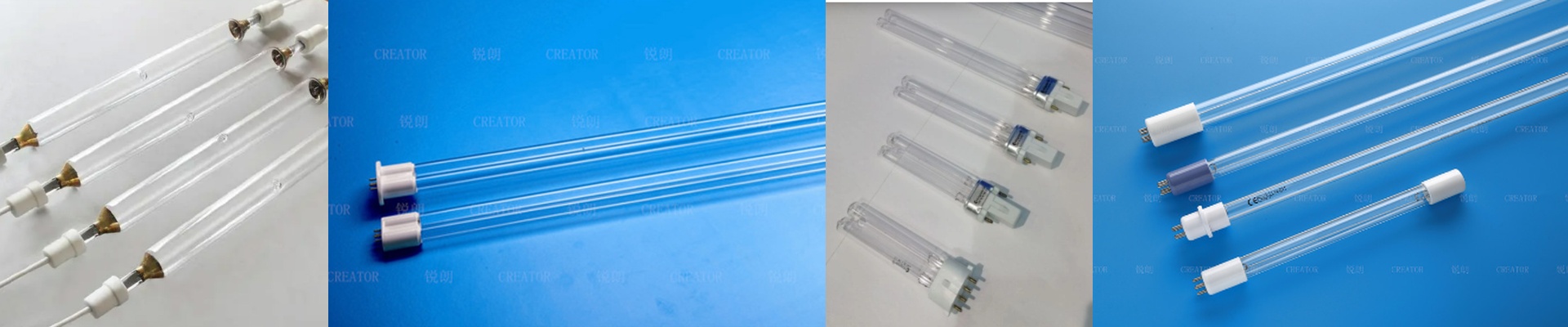
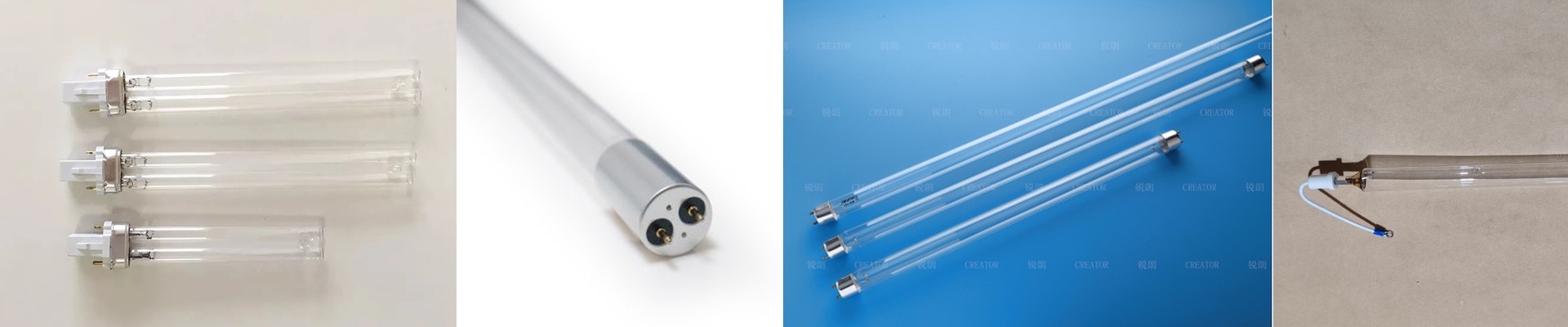
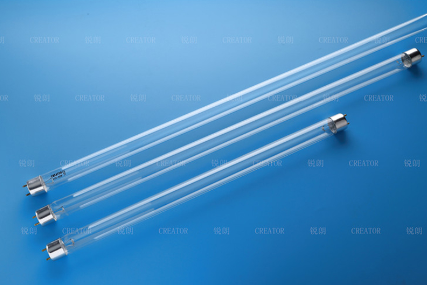
Standard glass is useless here; it blocks the very waves you’re paying for. That’s why we use high-purity fused quartz. For the heavy-duty setups, we use doped quartz to shift the spectrum or just make the lamp tougher. You get more photons hitting the part, which is great, but it comes with a catch. High-density UV creates a lot of heat. **You have to get your cooling right.**Whether it’s fans or water jackets, don’t skimp on them. If the lamp runs too hot, that quartz is going to stress and eventually crack.
Making it Actually Fit
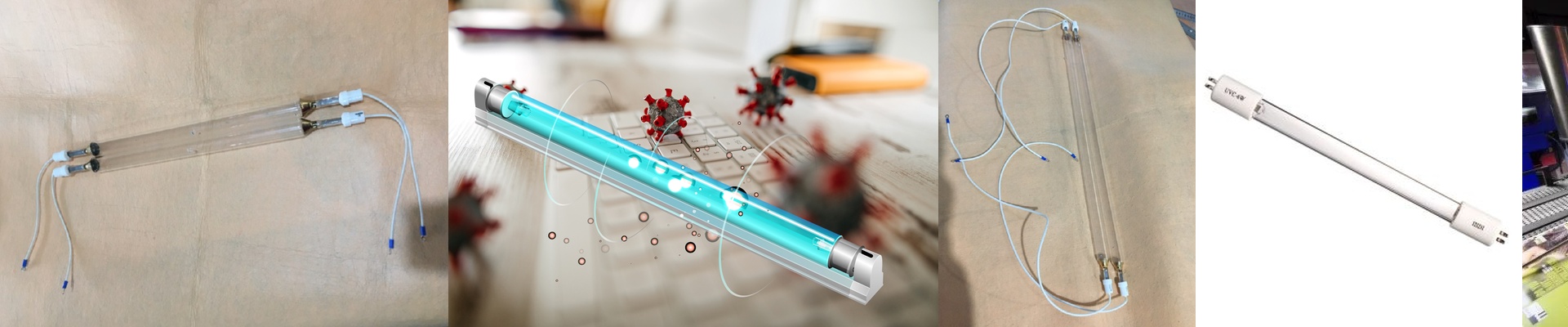
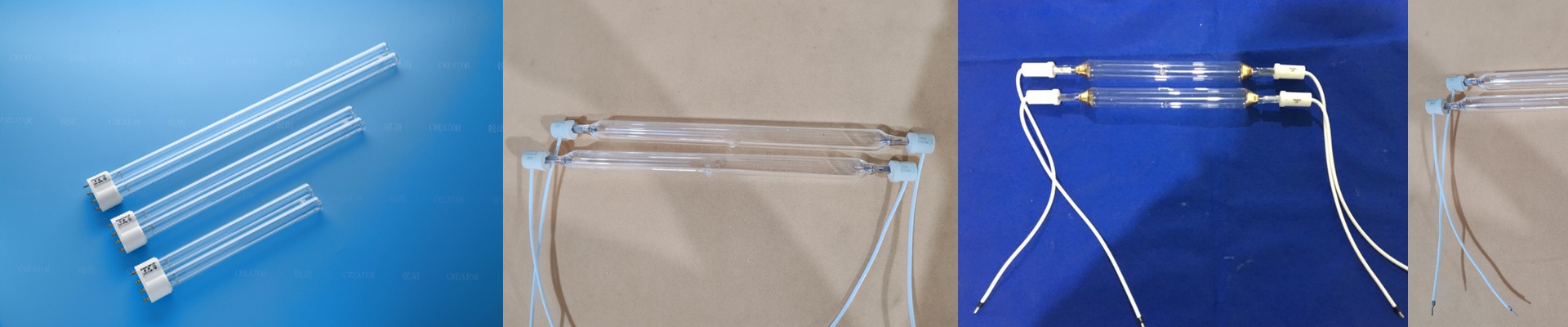
We can do these as simple drop-in replacements or build something totally Custom from scratch. Need weird lead-wire lengths? Proprietary connectors? We’ll wire it to fit your machine’s layout exactly. One last tip: watch the gap between the lamp and your product. A tiny 2mm shift in height can completely change your cure rate. We provide the exact focal data so you can set your conveyors once and get a consistent finish every single time.