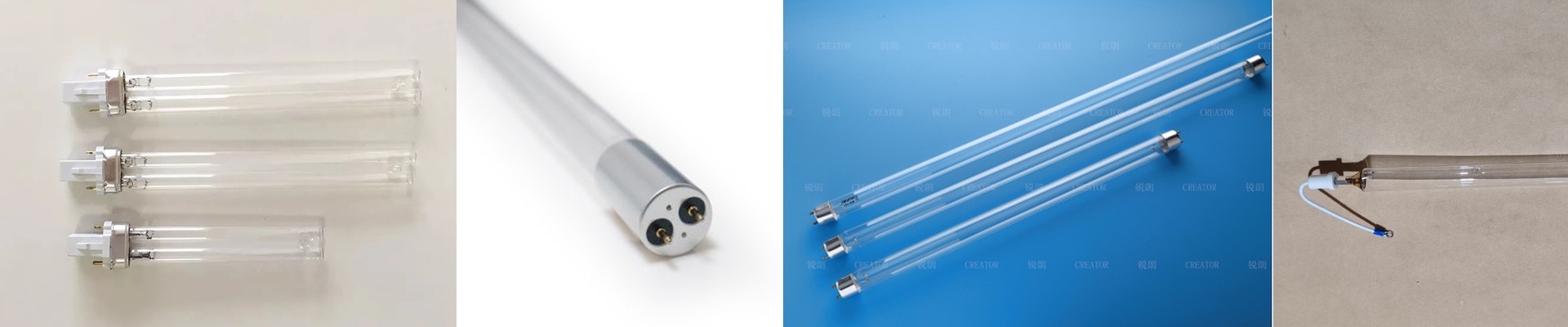
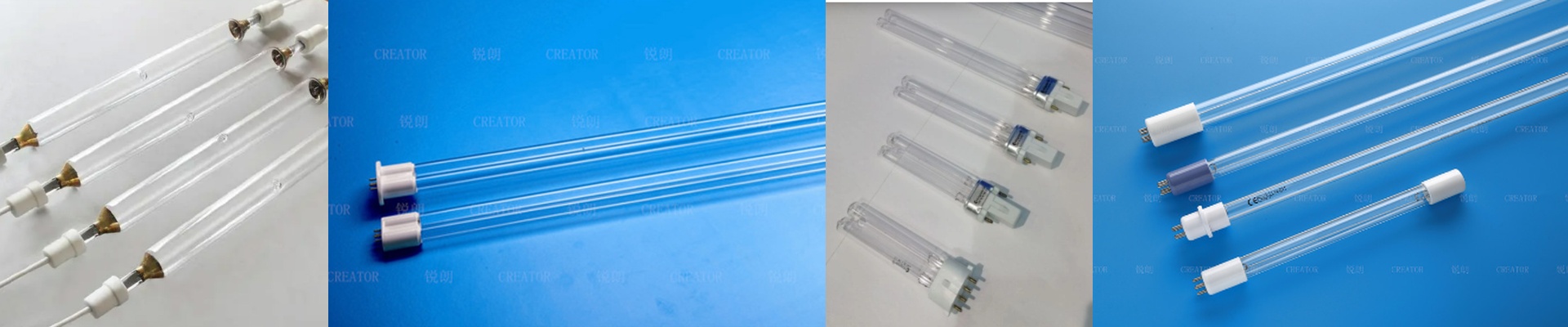
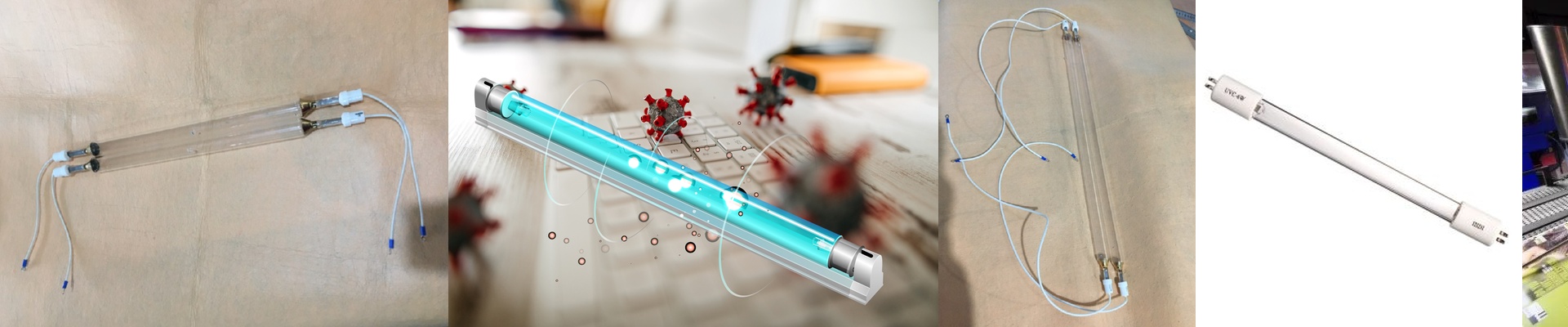
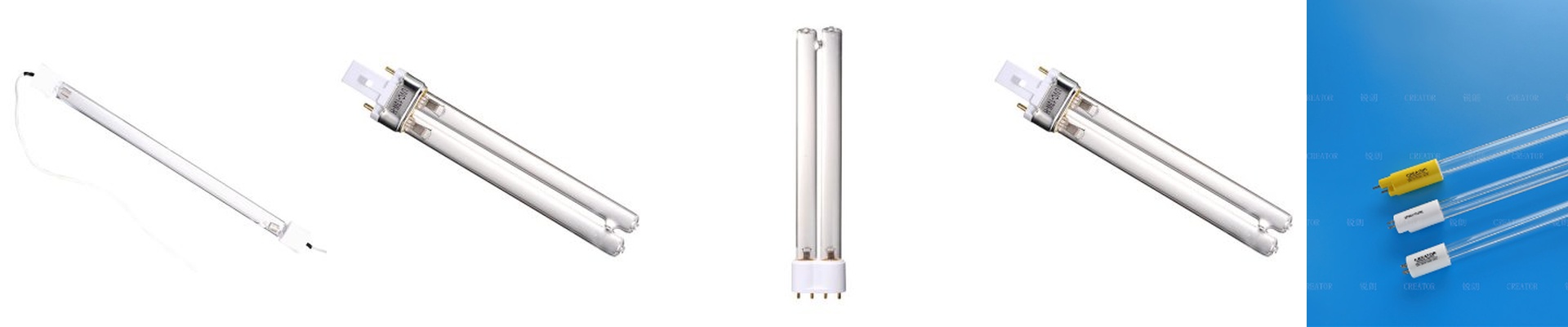
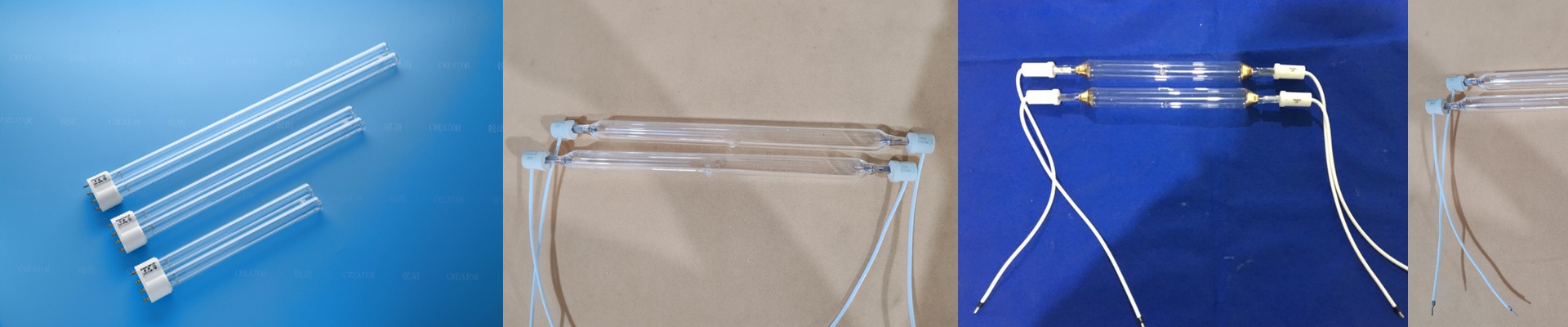
Introduction
We built this UV curing lamp for the dental lab, plain and simple. Because in that world, you can’t afford to be anything less than precise—and you definitely can’t afford downtime. Think about the reality of a busy lab: big machines running side-by-side, electrical noise everywhere, voltages that jump around. It’s a messy environment. So we designed this lamp to tune all that out. The result? You get steady, reliable output every single time. No guessing. No surprises. Just repeatable curing, cycle after cycle.
The Power Behind the Lamp
At the heart of this thing is a power profile that’s tough as nails, wrapped in a package that stays out of the way. We built it to live in the real world of shared industrial power. So even when other equipment kicks on and off, this lamp doesn’t flinch. It holds its ground, keeping the output exactly where you set it. And the size? It’s compact, but make no mistake—this isn’t a delicate piece of lab-only equipment. It’s a workhorse, built to drop right into a busy production line and just get the job done. We left plenty of electrical headroom, so even when the line voltage gets rough, the lamp stays steady.
What’s Inside, and Why It Matters
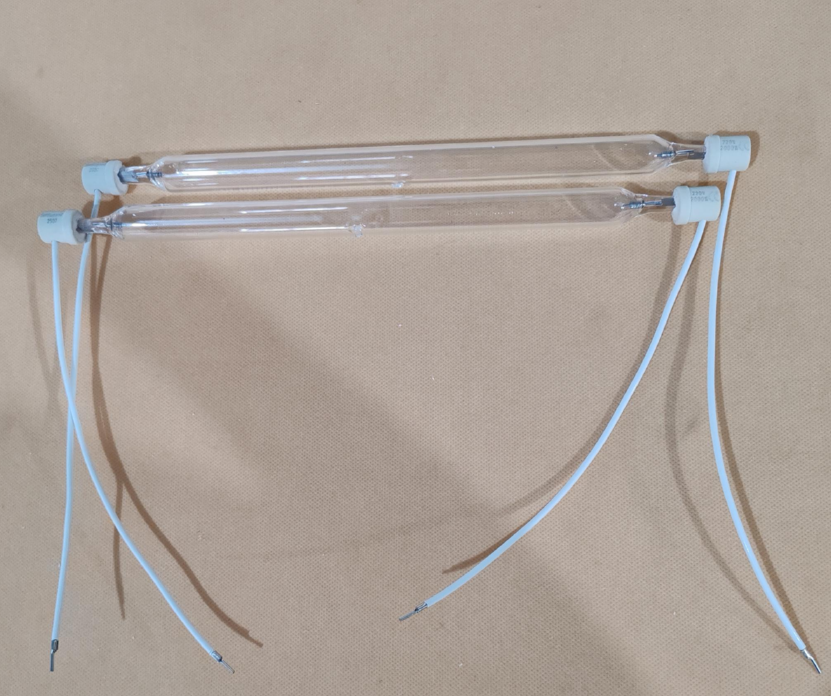
We went with a halogen UV source, sealed in a quartz envelope. Then we added a special coating that fine-tunes the light spectrum—exactly what dental resins need. That coating does more than just hit the right wavelength. It keeps the output stable and helps the lamp hold up over long, demanding cycles. In other words, it’s built to last. Then there’s the connector. We chose one that handles high current without getting hot under pressure. It’s a practical, no-nonsense decision. It makes wiring clean and easy, holds tight, and stops those frustrating field failures that come from loose connections. In a loud, crowded lab, you need parts that just stay put.
The Real Win: Staying Strong When Things Get Noisy
Here’s the real advantage: this lamp doesn’t get rattled by interference. When you’ve got multiple big machines humming along, they throw off all sorts of electrical noise that can mess with control circuits. That kind of interference can cause your lamp output to drift, and that’s a disaster when you need consistency. So we hardened the control path and isolated the lamp circuit. The payoff? Stable intensity. Predictable curing. No drama. Just one thing to keep in mind: all that intensity creates heat, and heat needs an exit. Make sure your machine’s cooling or airflow is up to the task. If the lamp gets too hot, it’ll automatically back off on power to protect itself. So plan your cooling into the setup from day one.