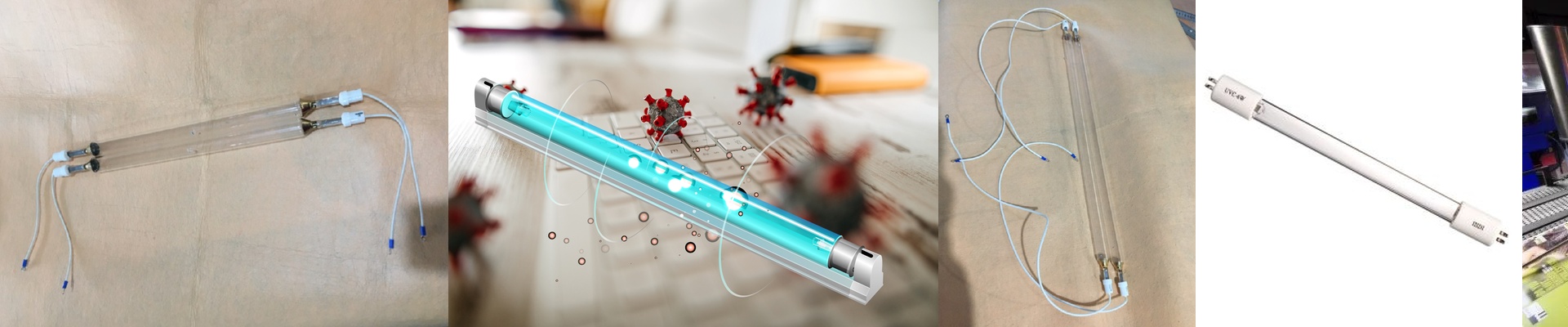
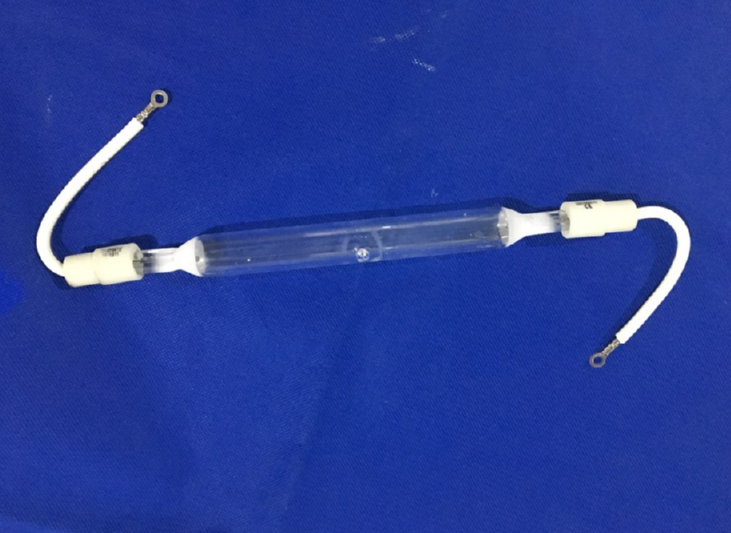
Stop Treating UV Lamps Like Lightbulbs
Most people look at a UV lamp and see a tool that just “dries” things. But if you’re building machinery for a modern factory, that’s the wrong way to look at it. Think of it as precision energy. When you stop treating curing as a simple on/off switch and start treating it as a dial you can actually control, your whole production line changes.
Getting the Tech Right
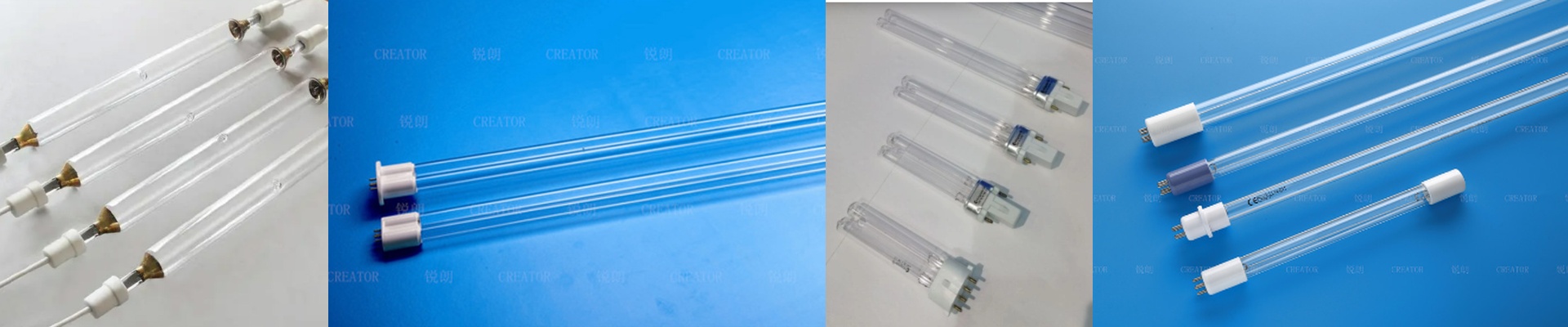
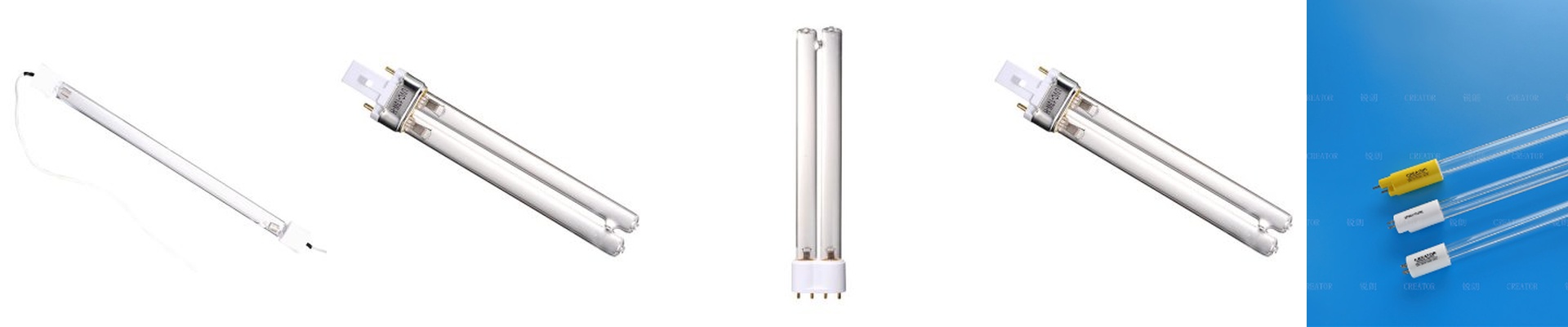
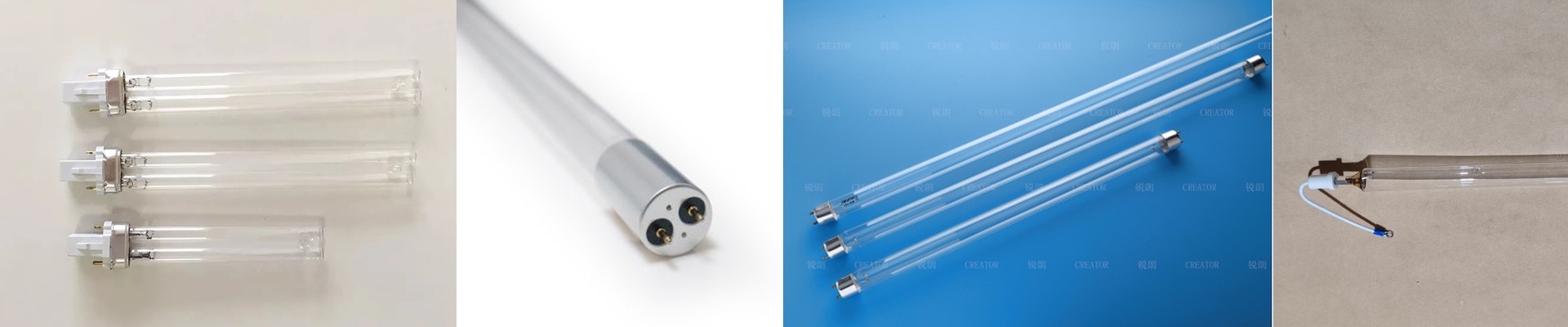
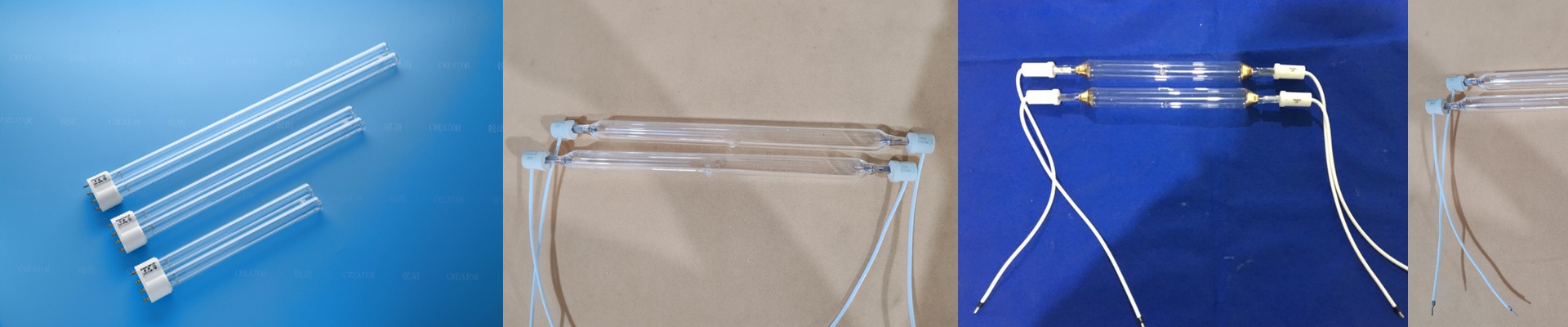
We know space is tight in your machines. You don’t have room for bulky, awkward gear. The real trick is matching the light to the chemistry. If the lamp’s emission curve doesn’t line up with the photoinitiator in your ink or glue, you’re just wasting power. We focus on that sweet spot—the exact wavelength needed to get the job done. But here is the catch: power density. Sure, cranking up the wattage makes things go faster. But more power means more heat. If your cooling or air extraction can’t keep up, you’ll end up with warped parts or burnt-out lamps. It’s a balancing act.
Built for the Real World
If you’re just replacing a broken bulb, a generic part is fine. But if you’re designing a machine from the ground up, you need something modular. We build our housings and power supplies to talk directly to your PLC. This means you can tweak the intensity on the fly based on what your sensors are seeing. And we don’t do “generic” frames. Factory floors are brutal. We use industrial-grade quartz and heavy-duty reflectors that can take a beating while keeping the optics crystal clear. It just works.
Killing the Bottleneck
Nothing kills a workflow like a curing stage that can’t keep up with the rest of the line. It’s frustrating. We fix this by playing with the distance between the lamp and the part. By concentrating that energy, we get the surface tack-free much faster. When you move away from “standard” curing and start dosing energy with precision, the curing stage stops being the part of the line that slows everyone down. It becomes a smart, data-driven part of the process.