Getting UV Sterilization Right for Your Textile Line
When you’re running a textile printing line, your UV lamps have to do a lot of heavy lifting. It’s not just about killing germs. You’re also trying to lock in the ink and make sure the fabric stays in one piece. The real trick? Finding that sweet spot where you get enough UVC power to do the job, but not so much heat that you accidentally scorch your materials.
Power and Speed
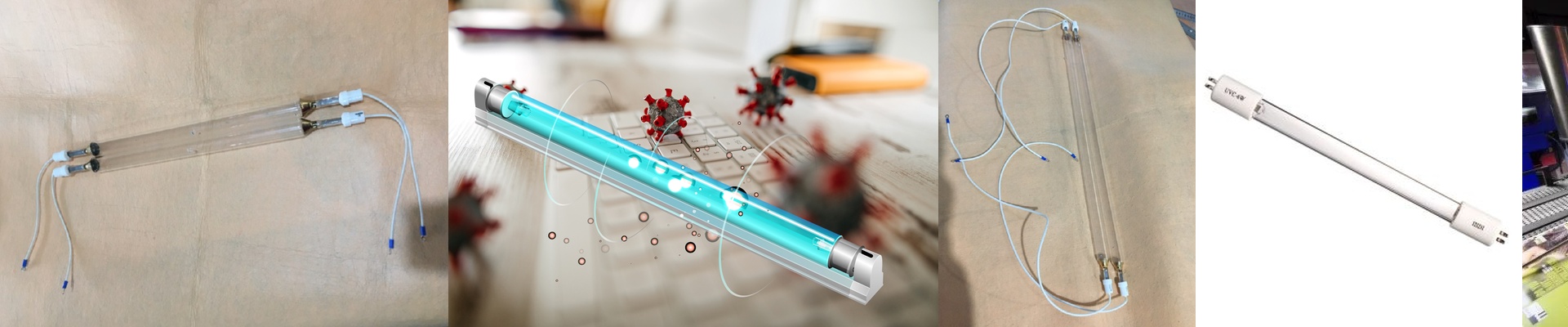
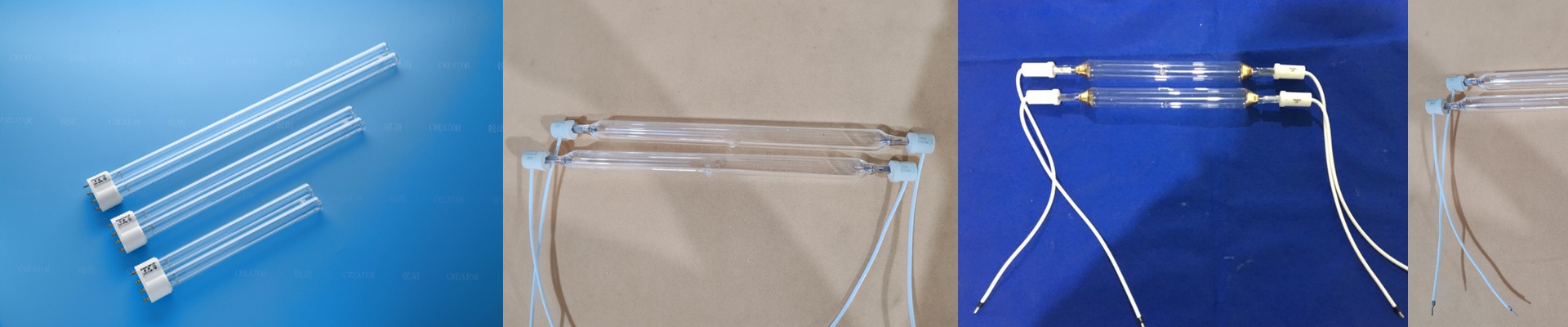
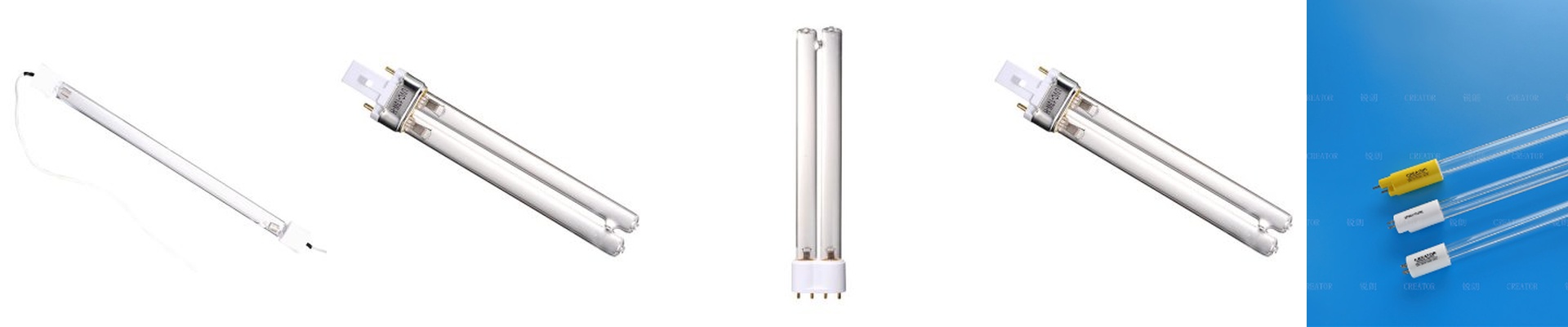
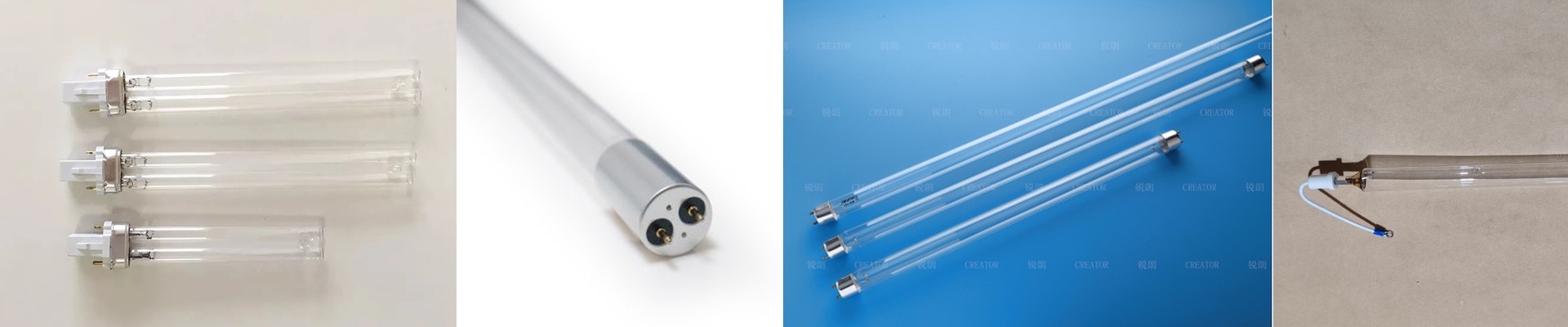
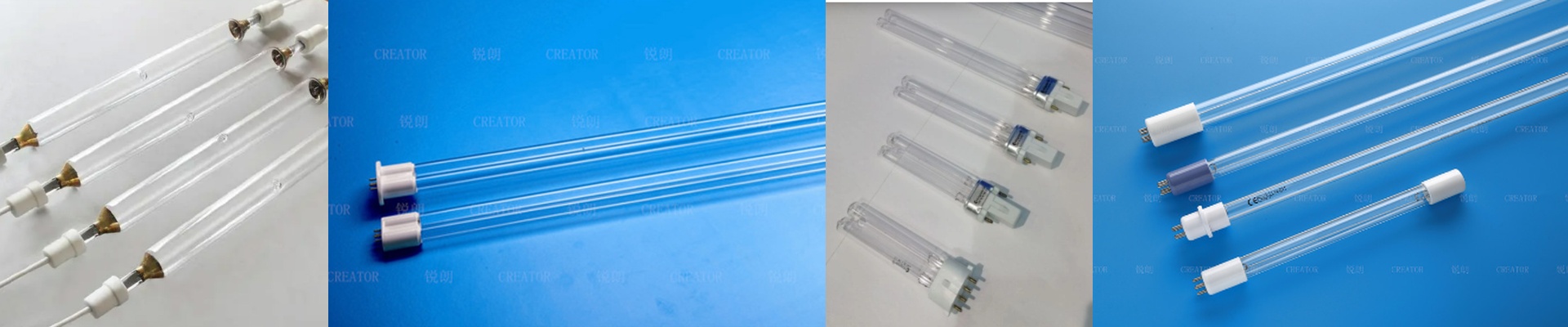
Most of our industrial tubes hit that 254nm mark. We push the intensity high because, let’s be honest, nobody wants to slow down their conveyor belt. If you’re cranking through 10 meters a minute, you need enough wattage per centimeter to get the job done in a flash. To make that happen, we use high-purity quartz glass. It stops the tube itself from soaking up the UV rays, so you get a steady, reliable beam from one end of the lamp to the other.
Dealing with the Heat
Here’s the thing: UV lamps get hot. Really hot. In the textile world, a little heat is actually a good thing—it helps the ink set. But there’s a limit. Too much, and you’re looking at warped fabric or that annoying yellow tint. To stop that, we use special coatings to filter out the infrared wavelengths you don’t need. Just make sure your active cooling is dialed in. If your airflow is sluggish, your tubes are going to burn out way faster than they should.
Setup and Staying Safe
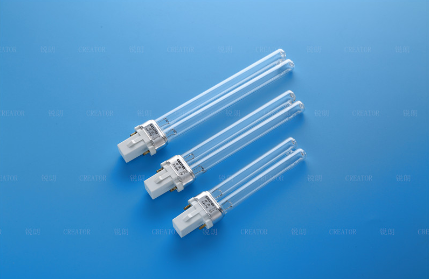
We kept the connectors standard, so swapping these out is a breeze. As for safety, we don’t believe in just handing you a thick manual and hoping for the best. We build the safety right into the hardware. We put interlock switches in the housing, meaning the second a technician opens the curing chamber, the power kills. No accidents, no exposure. One last tip: double-check that your shielding is actually opaque. You don’t want UV rays leaking out into the shop.