Building a UV Brand That Actually Works: The Nitty-Gritty of Mercury Lamps
If you’re starting a UV brand, a fancy logo is the easy part. The hard part? Making sure the lamp actually does what it’s supposed to do inside a heavy-duty industrial machine. That’s where we come in. We handle the OEM heavy lifting so you can dial in the exact wattage and wavelength your customers need.
Getting the Power and Light Just Right
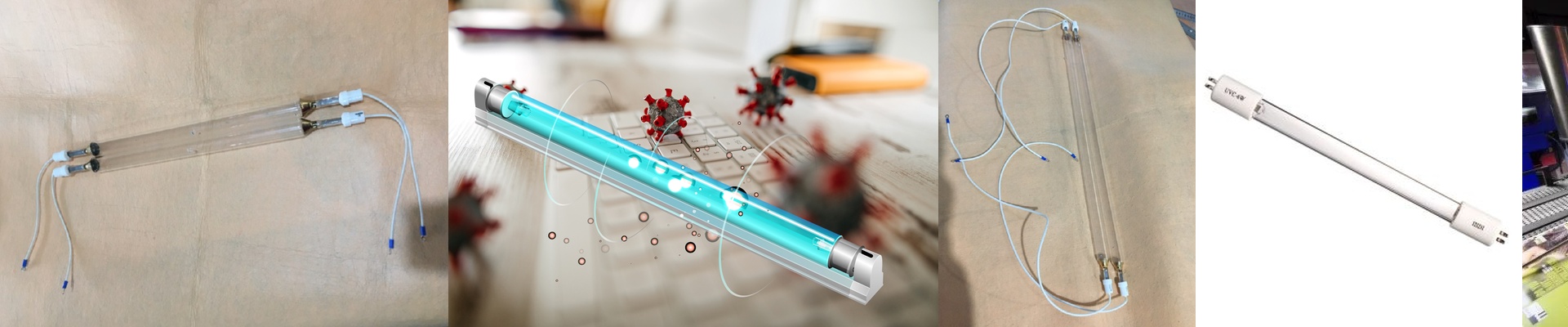
Here’s how it works: mercury lamps create UV radiation using an electric arc in mercury vapor. But you can’t just use a “one size fits all” approach. Depending on the job, you might need shortwave (UV-C) to kill germs or longwave (UV-A) to cure adhesives. We tweak the gas pressure inside and the electrode materials until we hit that specific peak you’re looking for. But there’s a catch. More wattage means more punch, but it also means a lot of heat. If you go for a high-output tube, you’ve got to make sure your cooling system can keep up. If the quartz envelope gets too hot, the lamp is going to burn out way faster than it should.
It’s All About the Glass
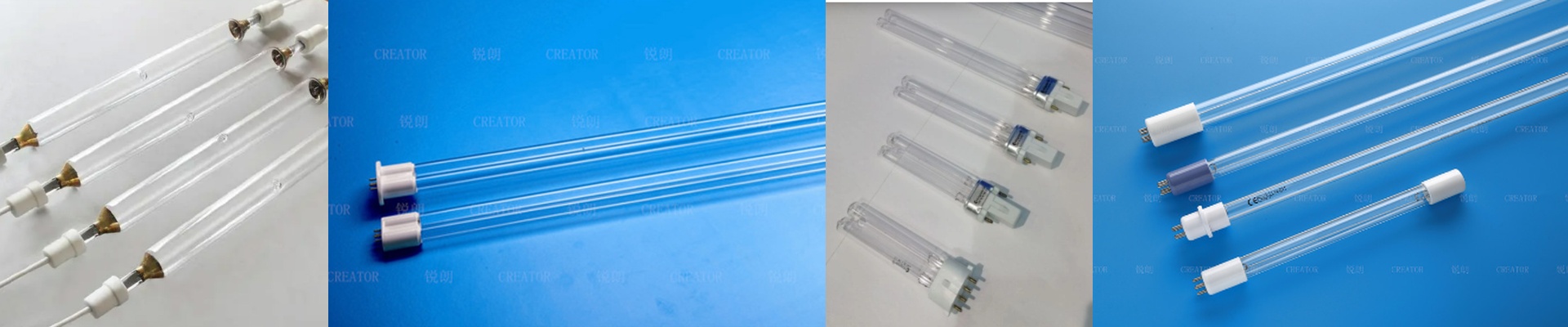
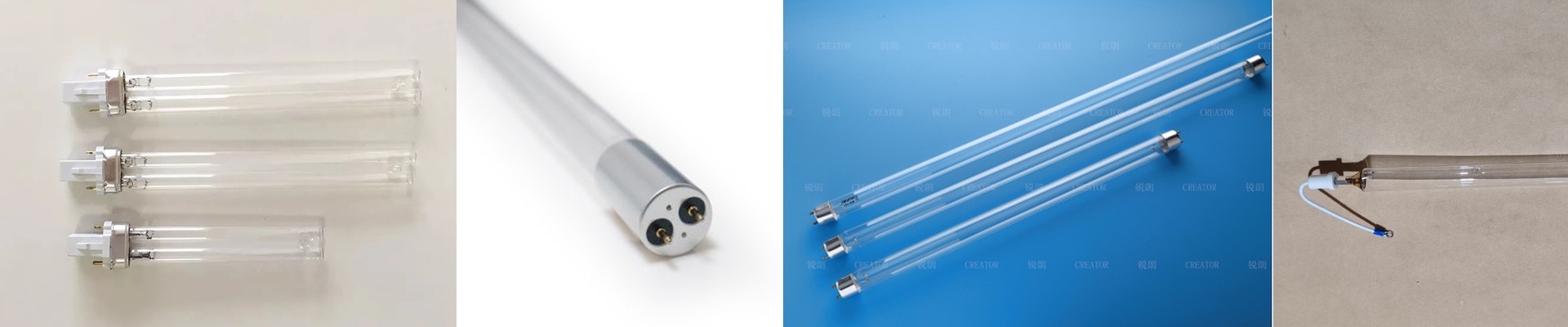
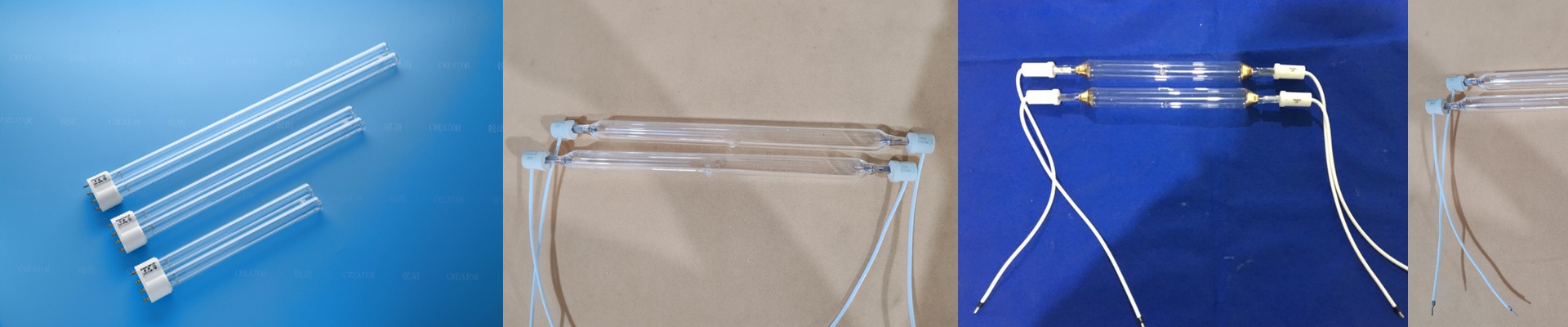
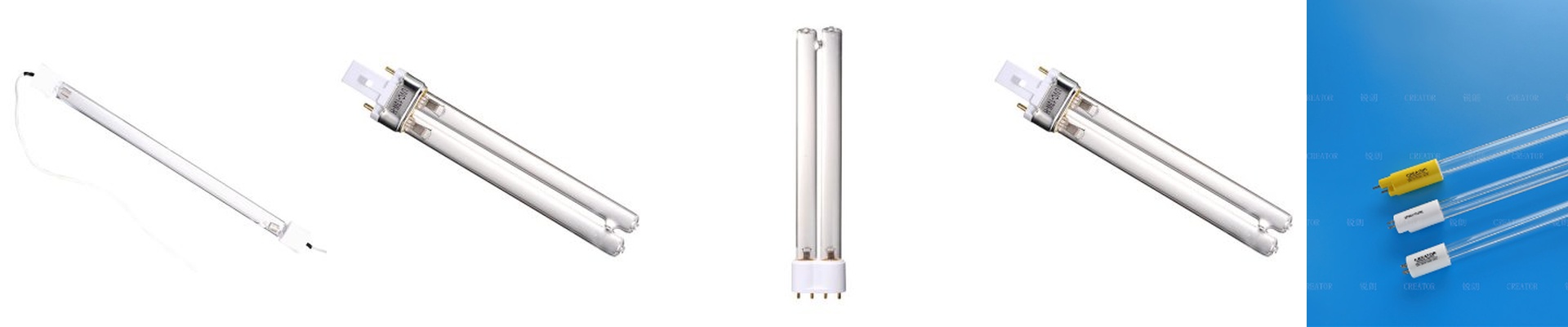
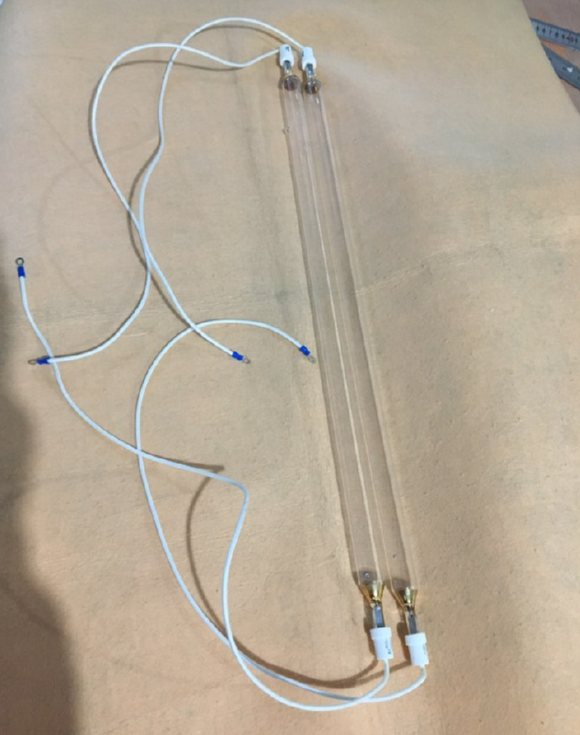
Not all glass is created equal. If you use standard glass, it basically blocks UV-C. That’s a problem. We use high-purity fused quartz because it lets the UV light fly right through. We can also customize the length and diameter of the tube. This means when your customer gets the lamp, it just slides right into their existing fixture. No hacking, no drilling, no headaches. And don’t worry about the wiring. Whether you need standard bi-pins or something totally custom, we build the ends so they plug straight into the ballast.
The Balancing Act
Here is the honest truth about custom lamps: it’s always a trade-off between how bright the lamp is and how long it lasts. If we push more current through a short tube, you get a massive UV dose. Great for speed, but it eats the electrodes alive. We’ll sit down with you and find that sweet spot. You want a lamp that cures the resin or kills the bacteria in the right amount of time, but you also don’t want your customers complaining that the bulbs are dying every few weeks. You tell us what the application is, and we’ll build the hardware to make it happen.