Getting Your UV Curing Right
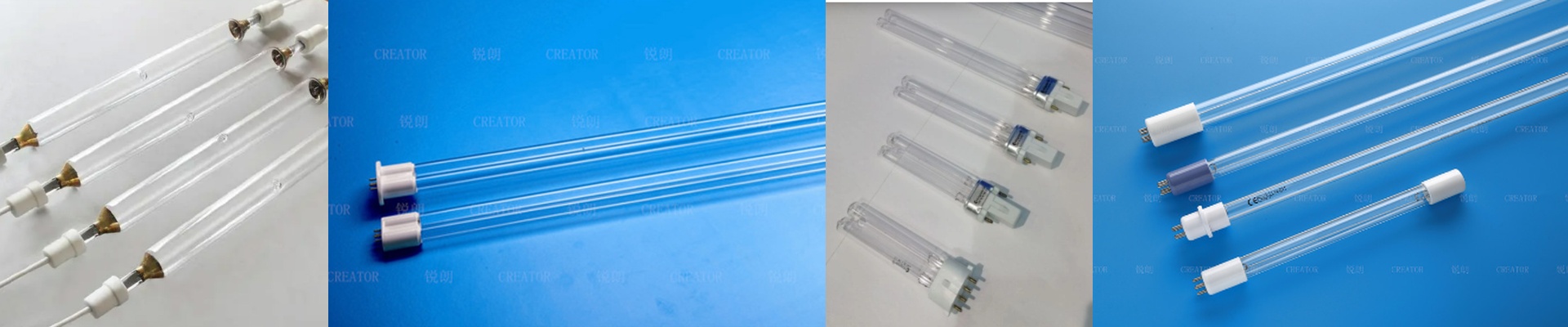
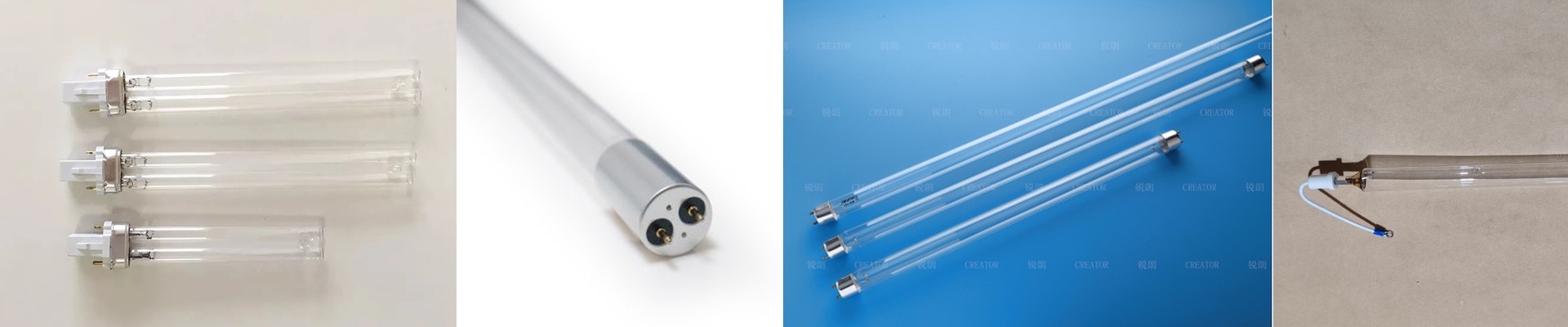
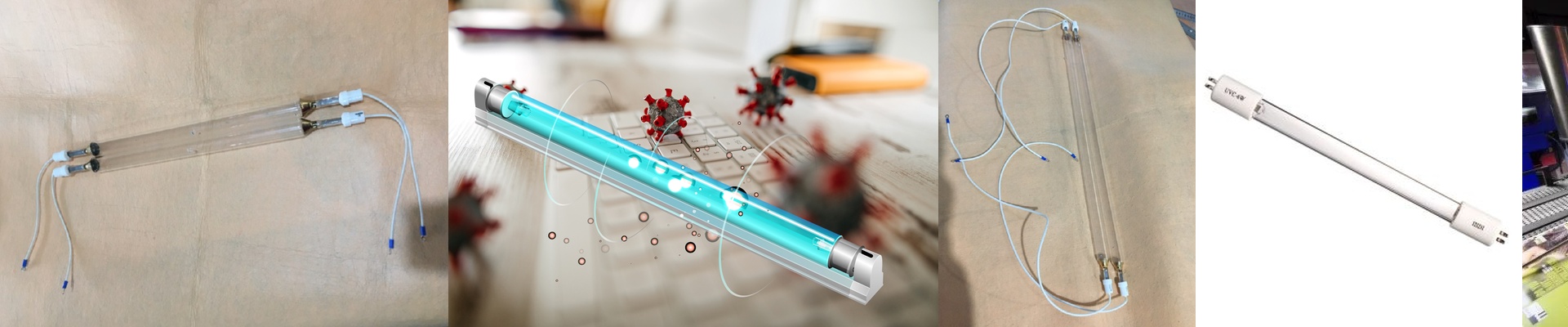
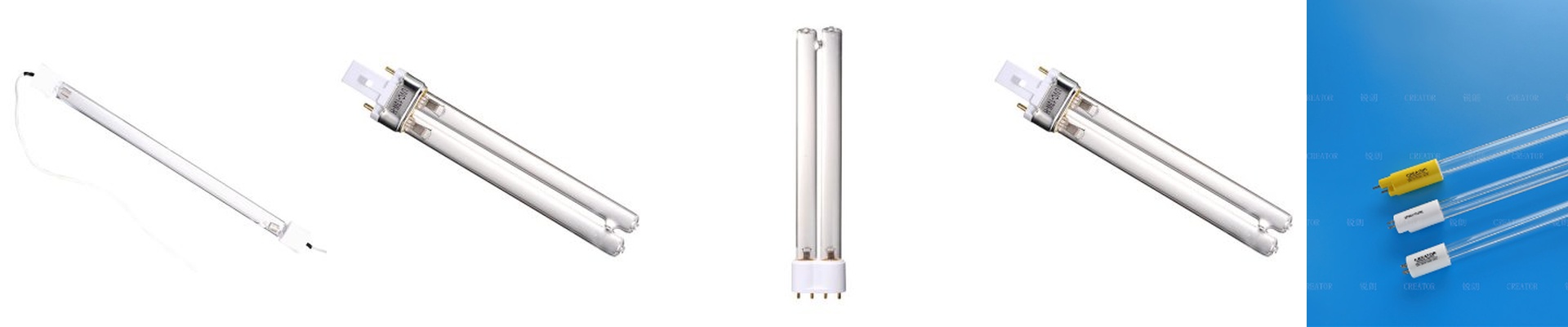
Most people shopping for UV lamps in China are just hunting for a cheap part to swap in. That’s not how we do things. To us, the lamp isn’t just a spare part—it’s the heart of your entire curing line. In the world of printing and textiles, that lamp is the only thing standing between ink that stays put and ink that peels right off. The science of the “click” Curing speed isn’t magic; it’s about a match. The wavelength of the lamp has to shake hands perfectly with the photoinitiators in your ink. We spend our time tuning the peak of the UV-C or UV-V range so it hits just right. If the wattage is too low? You’ll end up with that annoying “tacky” feel on the surface. But if you crank it up too high without speeding up your line, you’re going to scorch your materials or watch them shrink. It’s a balancing act. Heat is the enemy High-intensity lamps get hot. Really hot. That’s why we use high-purity quartz glass—it’s the only way to handle that kind of thermal stress without cracking. But you’ve got to keep an eye on your cooling. If your airflow gets blocked or the chiller decides to quit, those electrodes are going to burn out fast. And here is a pro tip: don’t over-drive your lamps. If you run a lamp at 110% of its rated current, you’re basically throwing away a third of its lifespan. More than just shipping tubes We don’t just put a lamp in a box and wish you luck. We want to help you map out the whole curing zone. We’ll help you figure out the exact dose of energy you need and how far the lamp should sit from your substrate. We look at the actual footprint of your machine because we want the intensity to be the same from one edge of the web to the other. Seeing streaks in your finish? Most of the time, that’s just a reflector that’s slightly out of alignment, not a dead lamp. We’ll jump in and help you troubleshoot those little headaches so your production actually stays stable.