Getting the Cure Right: A Real Talk on Gallium Iodide Lamps
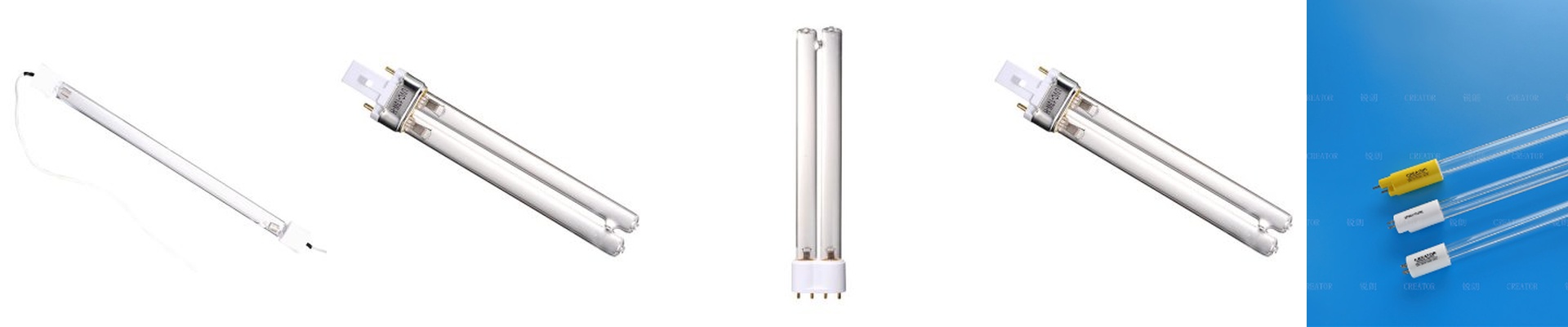
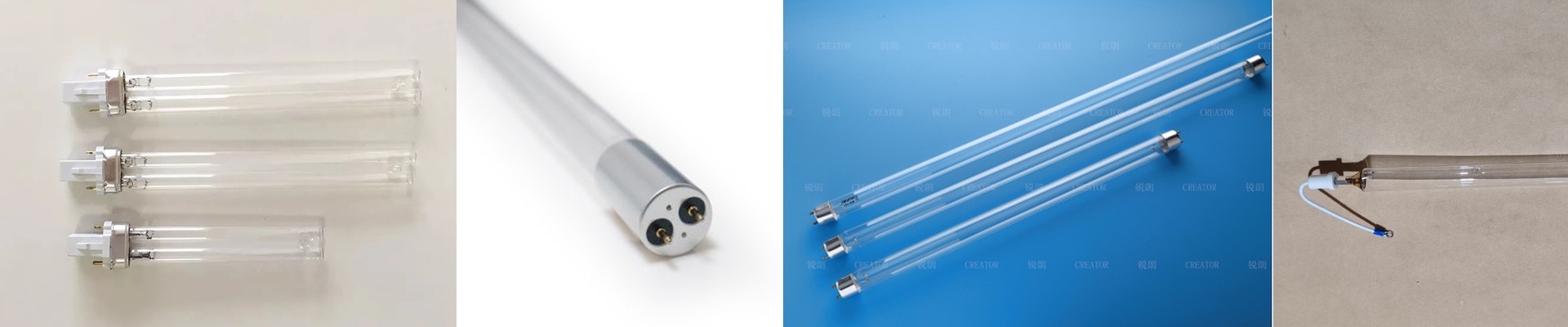
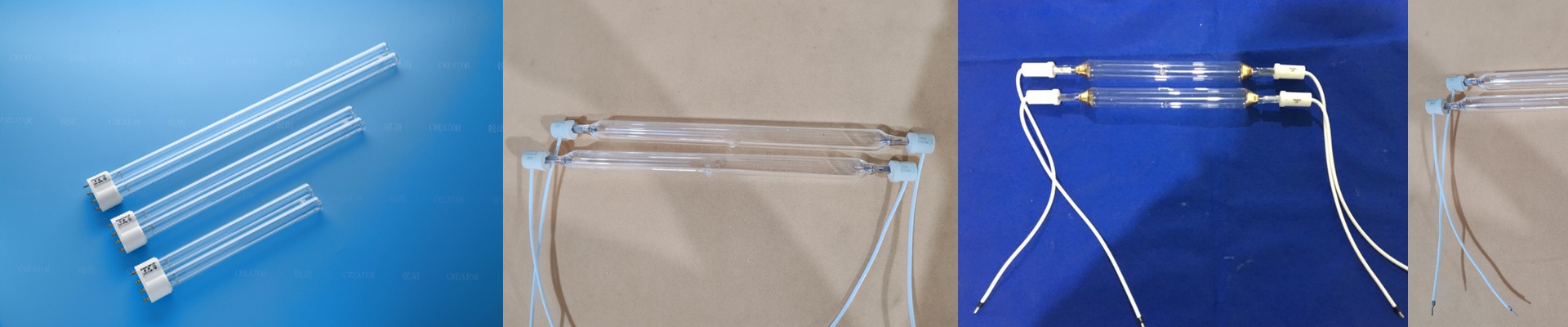
Let’s be honest—most people think of a lamp as something that just lights up a room. But when you’re dealing with resins and adhesives, you need something way more specific. That’s where gallium iodide comes in. We don’t just make these to “shine”; we build them to hit those specific wavelengths that push the curing process deep into the material, not just on the skin.
Why the wavelength actually matters
Here’s the thing about standard mercury lamps: they’re great until you hit a thick coating or a dark pigment. Then, the light just bounces off the surface. You end up with a part that looks done on the outside but is still gooey in the middle. Gallium iodide shifts the light toward the longer-wave UV spectrum. It’s like the difference between a flashlight and an X-ray. The light actuallysoaks in. You get a consistent, solid cure all the way through the part, which saves you from a lot of headaches down the line.
The messy side: Power and Heat
Now, it’s not all plug-and-play. You’ve got to watch your electricals. These tubes pull a lot of current, especially when they first kick on. If you’re tossing these onto a high-speed conveyor line, make sure your power supplies can handle that initial surge. Otherwise, you’re just going to keep tripping breakers. And then there’s the heat. Lots of it. To get that fast cure, you’re generating a massive amount of infrared energy. If your fans are weak or your water jackets aren’t up to the task, things get ugly. You’ll start warping your substrates or, worse, you’ll fry the lamp ends. Keep an eye on the housing temperature. If it starts climbing too fast, you’ve got a problem.
Keeping the line moving
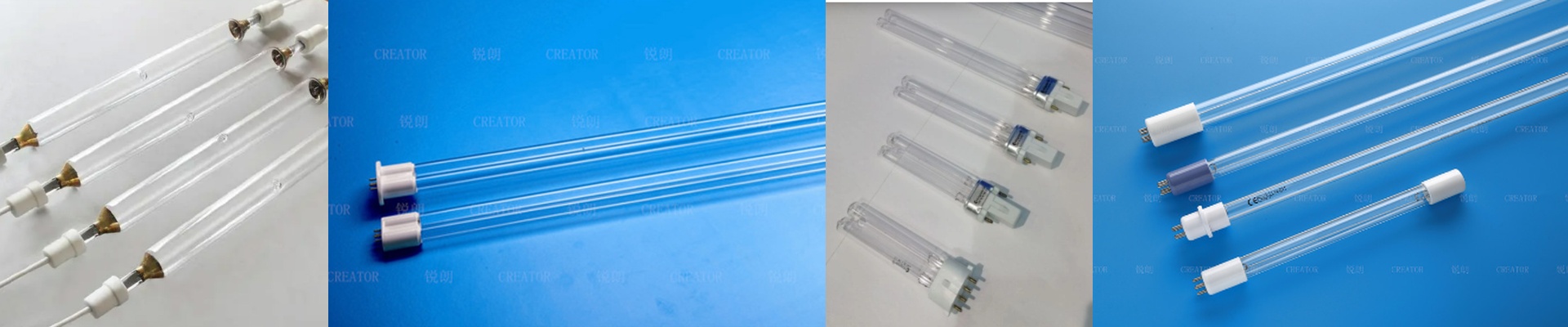
The good news? These usually drop right into your old UV setups. We’ve seen them work wonders for people doing electronics encapsulation or bonding automotive glass. But you can’t just “set it and forget it.” The gallium eventually migrates and the gas breaks down. You’ll start to notice it when your parts feel a bit tacky to the touch. That’s your warning sign. Don’t wait for the lamp to go dark and kill your production. Just keep a log of the hours and swap them out on a schedule. It’s a lot cheaper to replace a bulb than to scrap a whole batch of parts.