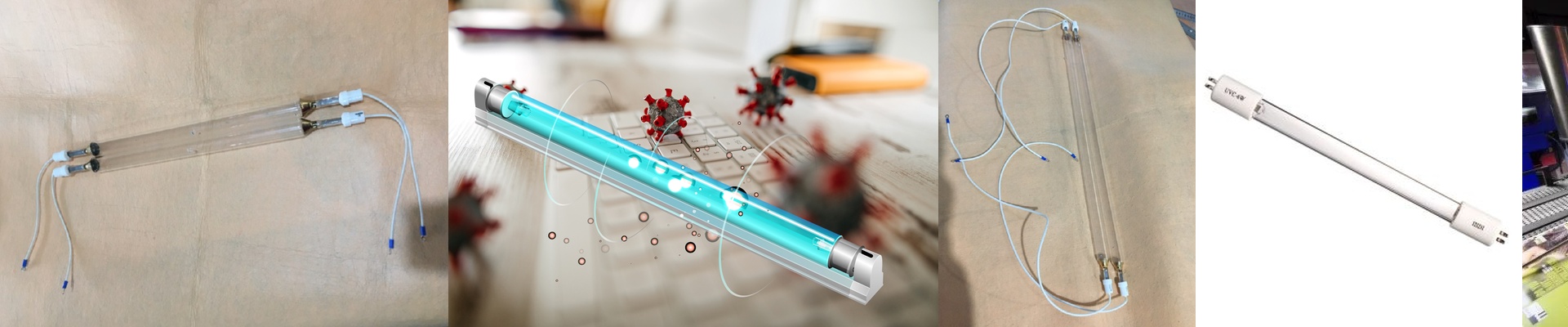
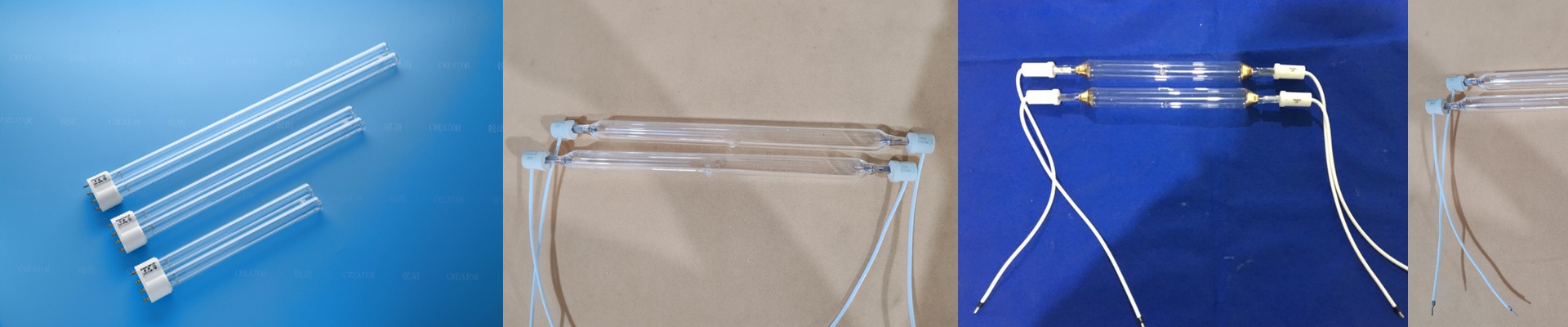
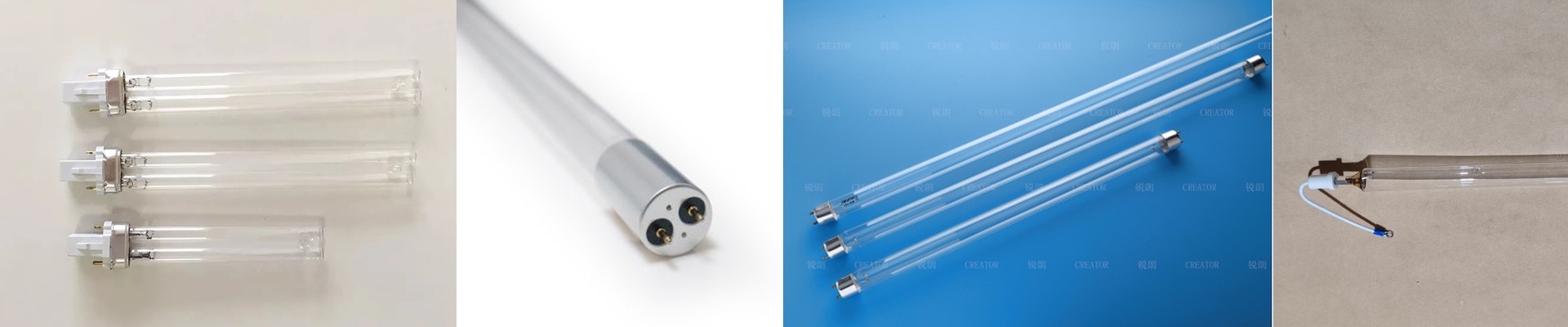
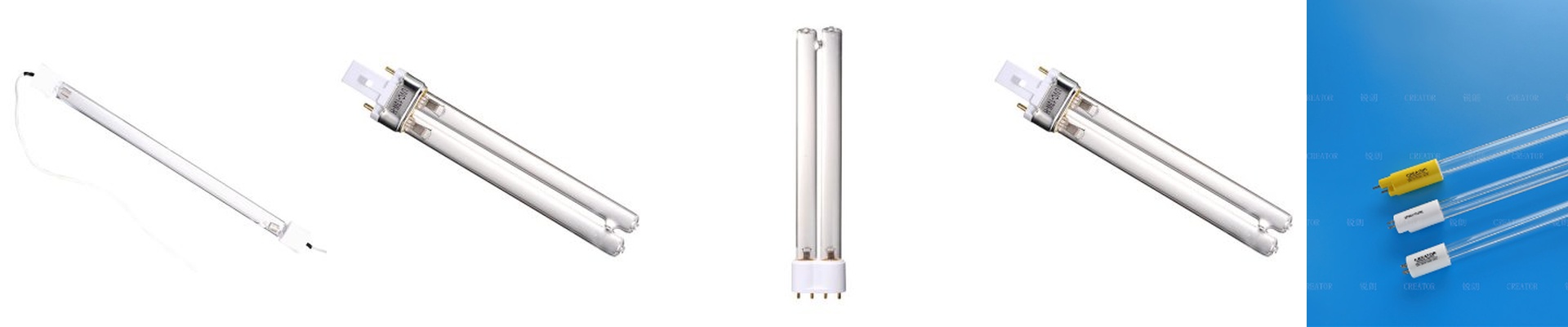
Ditching the Toxins: How We’re Making UV Lamps Actually Last
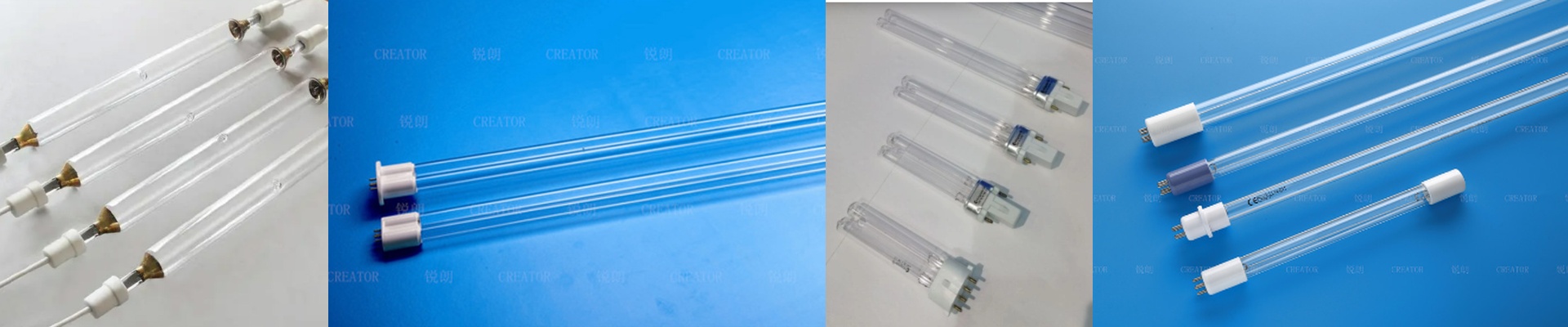
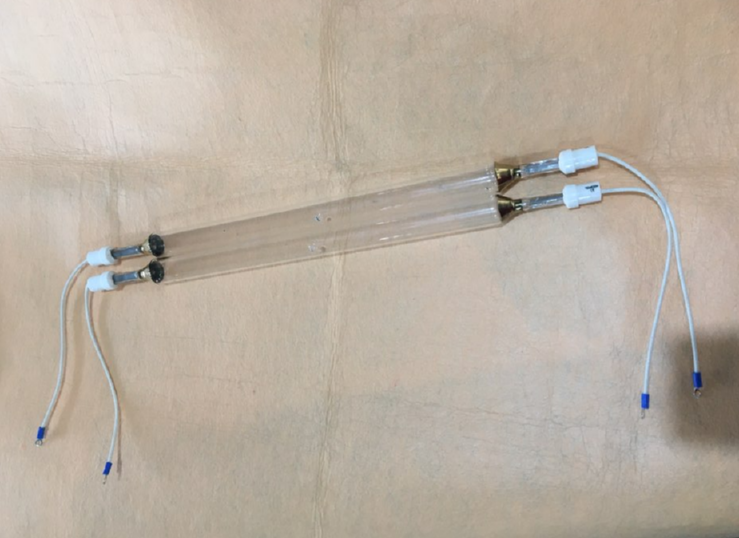
Going “zero-pollution” sounds like a corporate slogan until you actually look at the hardware. For a long time, we’ve just accepted that UV lamps need to be full of hazardous mercury vapor to work. But that’s a headache nobody wants. We’re changing that by swapping out the nasty stuff for eco-friendly materials and a design that doesn’t give up after a few months. Why do lamps usually die? Most UV lamps burn out because the electrodes wear down or the gas leaks. It’s frustrating. To fix this, we started using high-purity quartz and tweaked the gas mixtures inside. This stops those internal pressure spikes that usually crack the seal. We also messed around with the filament composition to keep the light strong for much longer. Basically, you get way more hours of work out of a single lamp before it starts to dim and needs to be tossed. Cleaning up the shop floor We got rid of the heavy metals in the core. This is a huge win for your sanity. You don’t have to deal with those expensive, annoying hazardous waste protocols every time a bulb pops. Plus, when the environmental auditors come knocking, you can actually breathe easy. The best part? You don’t have to rip out your current housing to make this happen. The real-world setup These are designed to be drop-in replacements. If your voltage and wattage match, you just wire them into your current ballasts and you’re good to go. Now, here is the honest truth: these aren’t exactly the same as the old mercury tubes. They have a different warm-up curve. If your line depends on “instant-on” peak intensity, you’ll probably need to slow down your conveyor a bit or start your pre-heat cycle a little earlier. It’s a small trade-off. You give up a few seconds at startup, and in return, you stop wasting money on constant replacements and toxic cleanup. It just makes the whole operation run smoother.