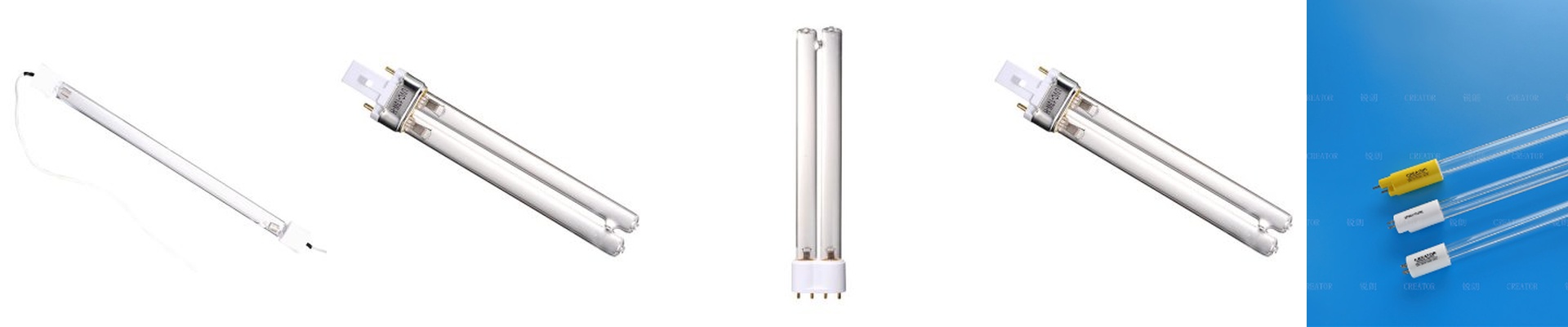
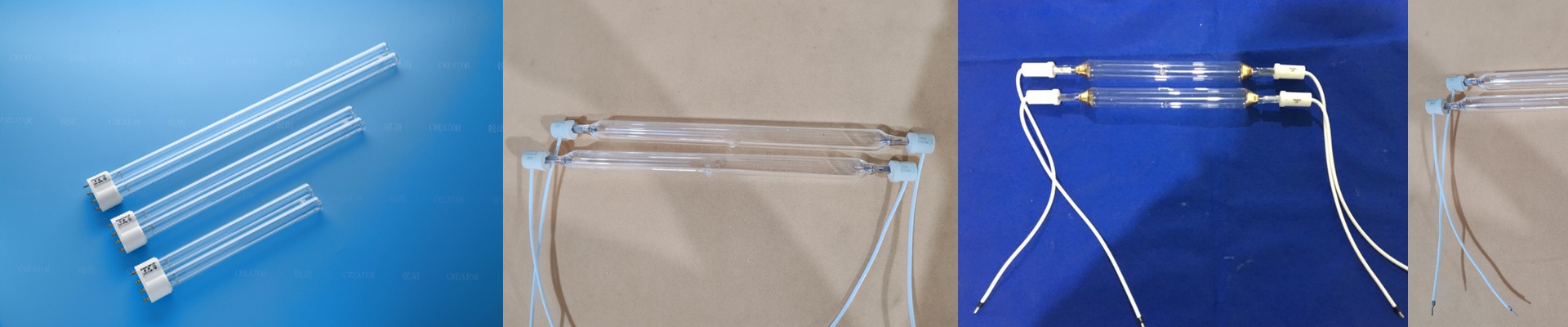
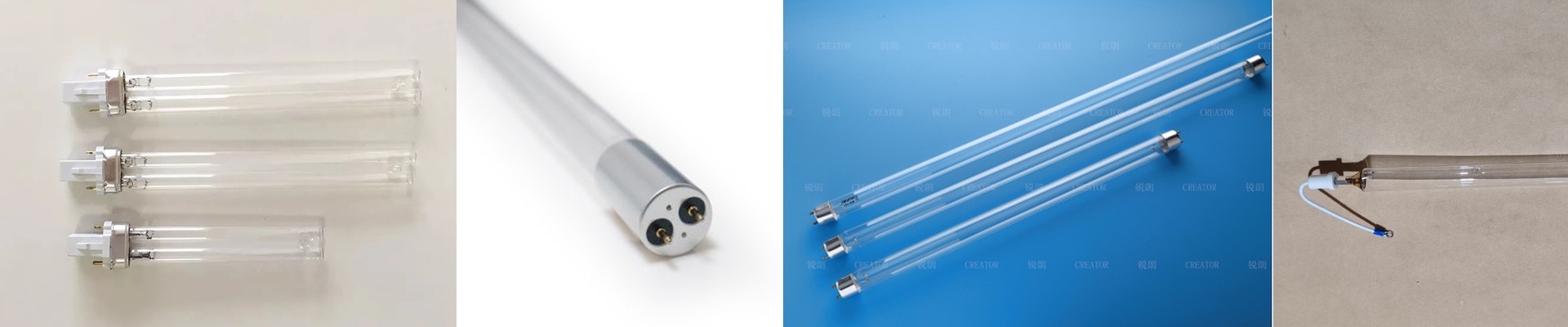
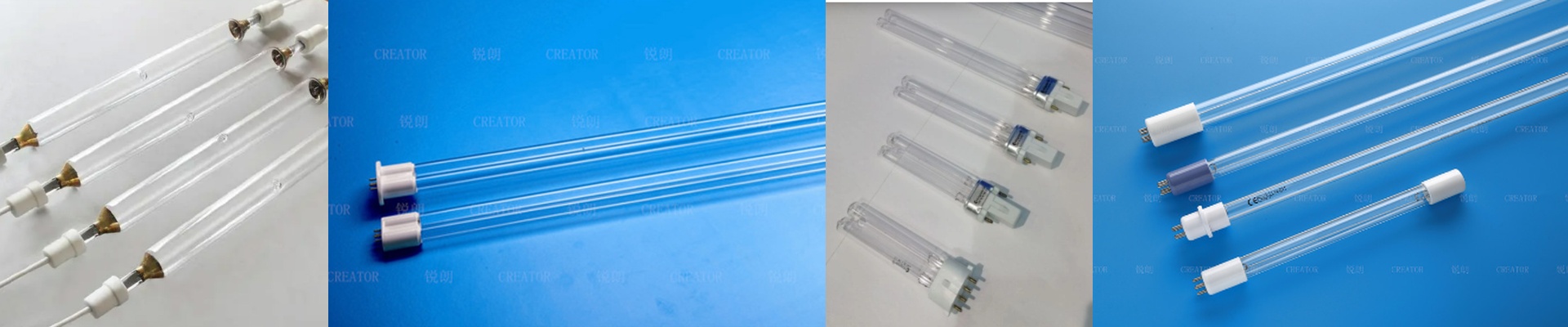
Getting UV Curing Right (Without the Headache)
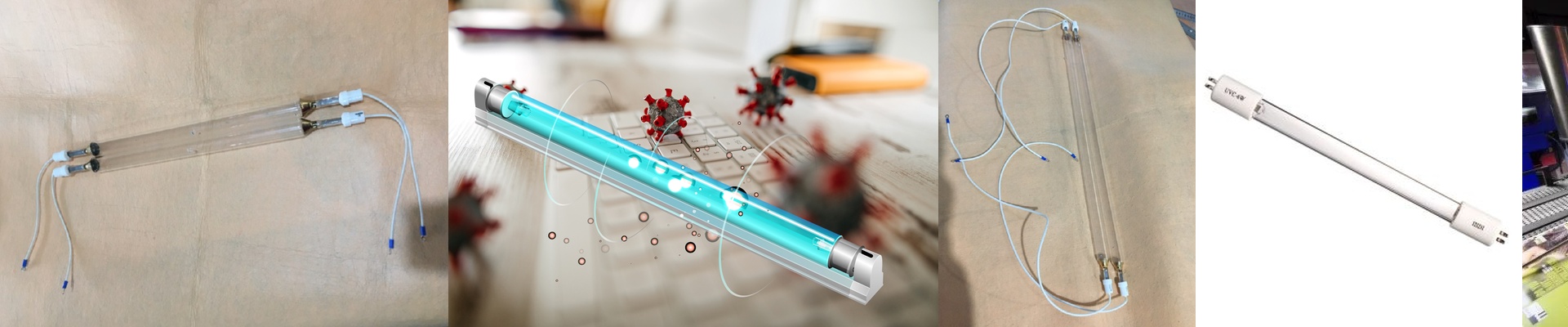
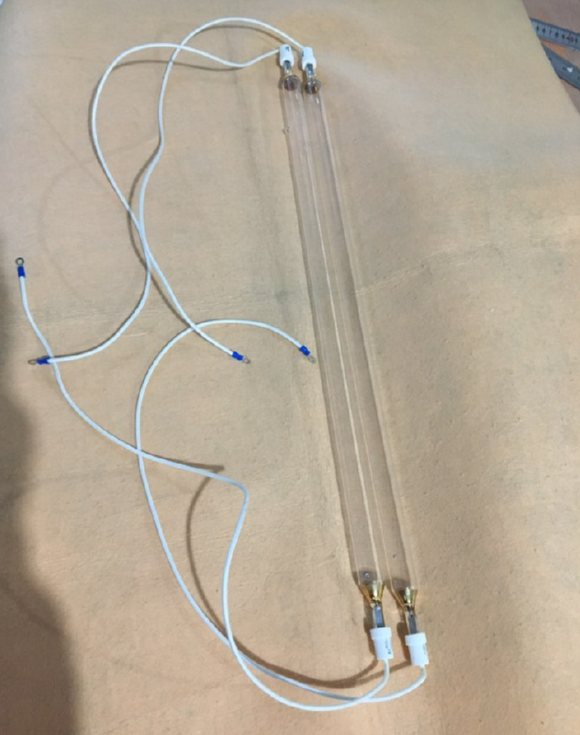
If you’re working with resins where a tiny shift in wavelength ruins the whole batch, you know the struggle. We build modular UV curing systems for exactly that reason. In our lab, we don’t care about “brightness.” That’s a vanity metric. What actually matters is hitting the exact spectral output your photoinitiators need. Because if that wavelength is off, even by a hair, your surface stays tacky. And nobody wants to pull a thousand sticky parts off a line. Scaling without the stress We went with a modular setup so you can crank up the irradiance without having to scrap your entire chassis and start over. You just group the lamps in arrays to dial in the specific dose (mJ/cm²) your substrate needs. We keep the tolerances tight. We also use heavy-duty power supplies because voltage drops are a nightmare. If the power dips across a long run, you get uneven curing across the belt. It’s a mess. Heat is the enemy Our R&D is all about narrow-band emission. We strip out the IR radiation because you don’t need it, and it just makes things hot. Keeping the substrate cool means your heat-sensitive plastics won’t warp. All the energy goes exactly where it belongs: the chemical bond. But here’s the catch. That kind of intensity creates a lot of heat at the lamp head. You’ve got to get your cooling fans or liquid jackets right. If the housing can’t breathe, your lamps will burn out way too fast. We’ve seen it happen plenty of times. Real-world utility These are designed to be drop-in replacements for your old gear. Since the frames are modular, you can swap out a dead bank in a few minutes. No need to rewire the whole factory floor. We use industrial connectors that can actually take a beating. You wire it up, set the distance to the part, and lock it down. No bells, no whistles. Just results you can count on every single time.