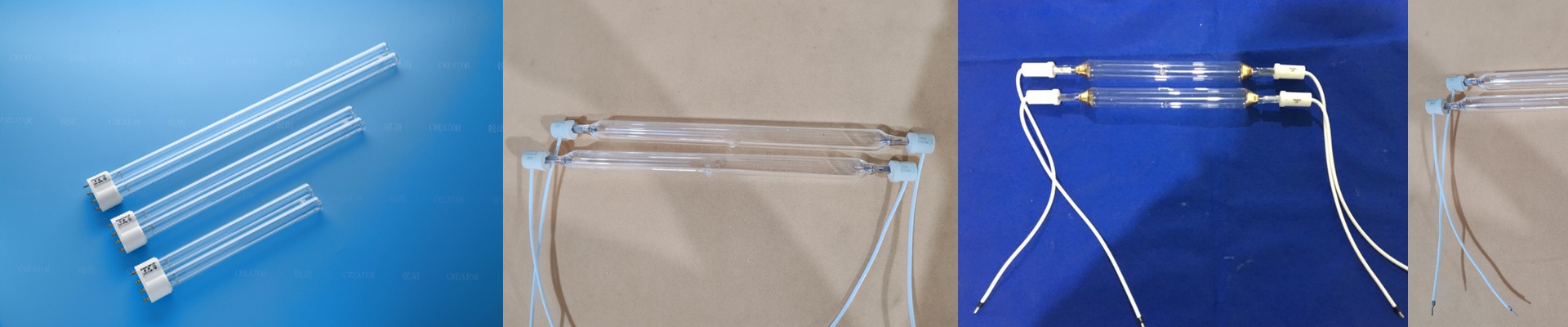
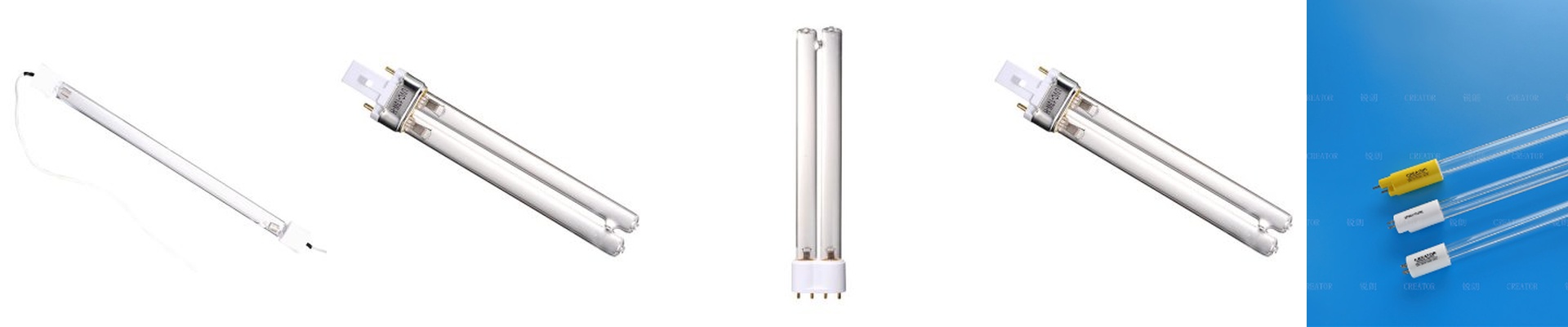
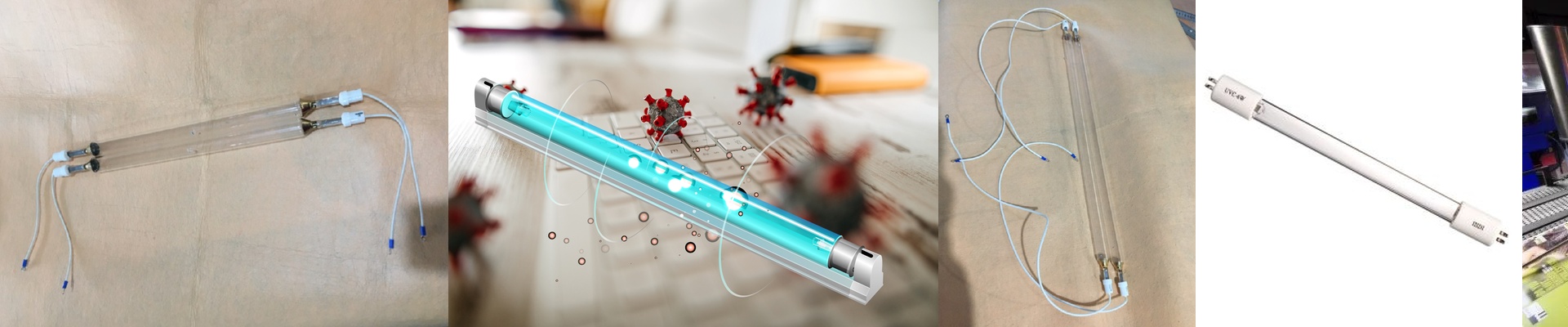
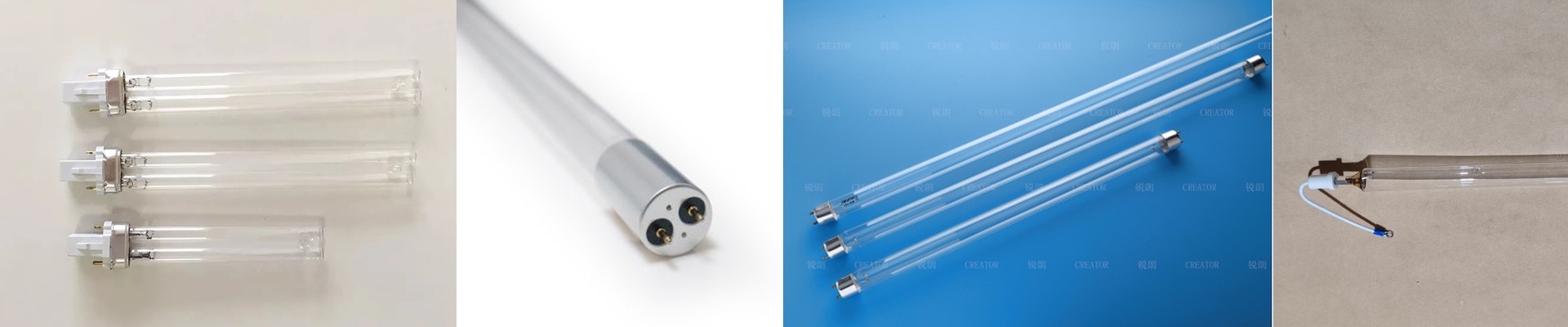
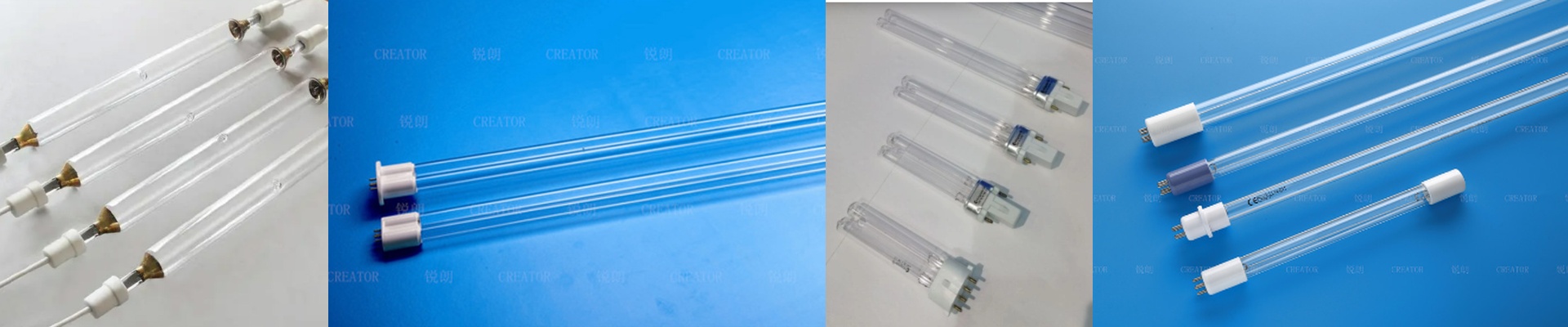
Getting the Most Out of Your High-Pressure Mercury Lamps
If you’re in printing or textiles, you already know that high-pressure mercury lamps are the real heavy lifters. They do the dirty work, pumping out a broad spectrum of UV light that hits the photoinitiators in your inks and coatings, making everything snap into place and cure instantly. The power side of things To keep a high-speed production line moving, you need a lot of power packed into a small space. That’s why we use high voltage—it keeps the plasma arc steady. But here is the catch: your ballast and your lamp have to be a perfect match. If the impedance is off, you’re asking for trouble. You’ll either see flickering that ruins your finish or, worse, the lamp will just burn out way too soon. Dealing with the heat We wrap these arcs in high-purity fused quartz. It’s the only way to let the UV rays through without the glass soaking them up, all while surviving the insane heat inside the lamp. Just keep in mind that the more intense the lamp, the hotter it gets. If your cooling fans are dusty or your water jackets aren’t up to the task, that quartz is going to stress. And when quartz stresses, it cracks. Fitting them into your workflow Think of these lamps as a chemical reaction, not just a spare part you swap out. We spend a lot of time helping folks figure out the exact distance between the lamp and the material. Get it too close? You’ll scorch your substrate. And honestly, a “drop-in replacement” isn’t always the smartest move. If you change the wattage or shift the wavelength, your line speed changes too. We usually look at how thick your ink is and how much heat your material can take before deciding if a standard lamp works or if you need a doped version. One last tip Wire it up right and keep those reflectors sparkling. It sounds simple, but if the reflectors oxidize, your UV output tanks—even if you just installed a brand-new lamp. Keep them clean, and the cure stays consistent.