Stop Waiting Weeks for Your UV Lamps
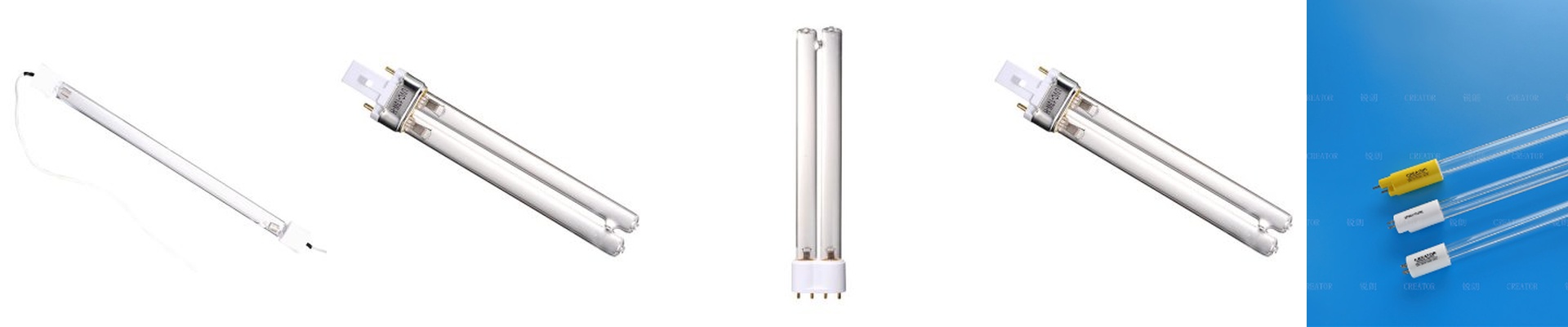
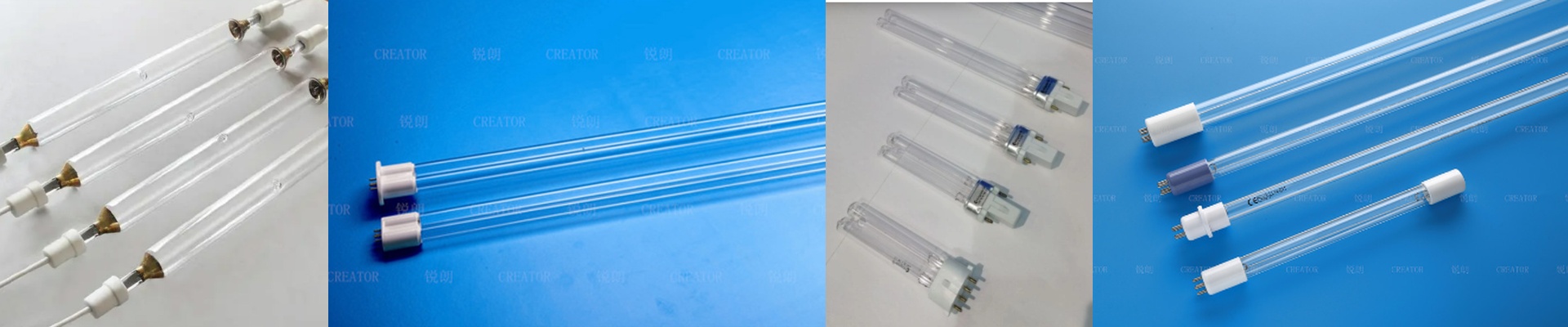
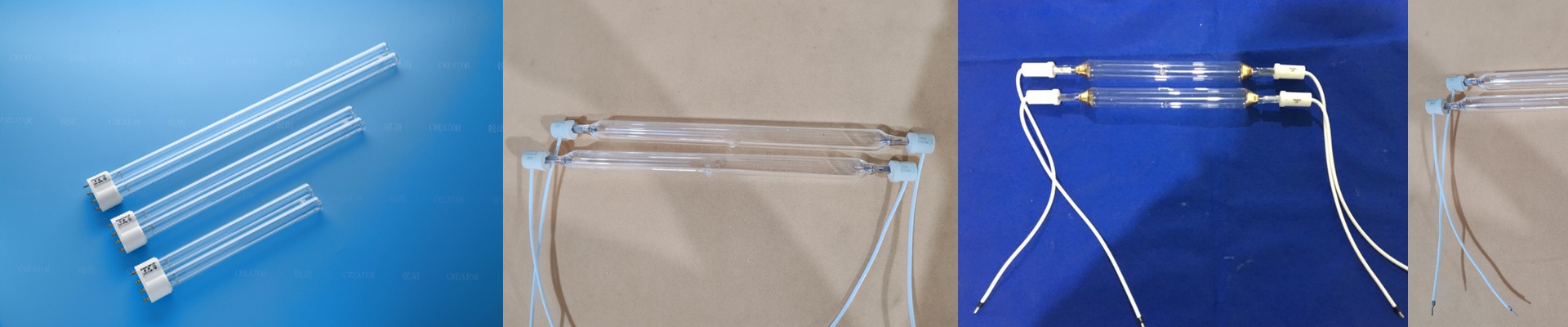
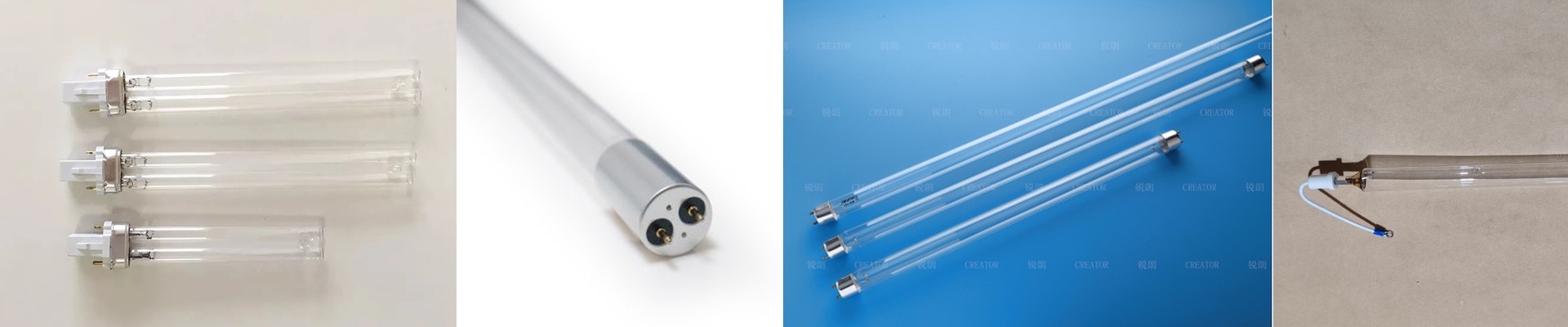
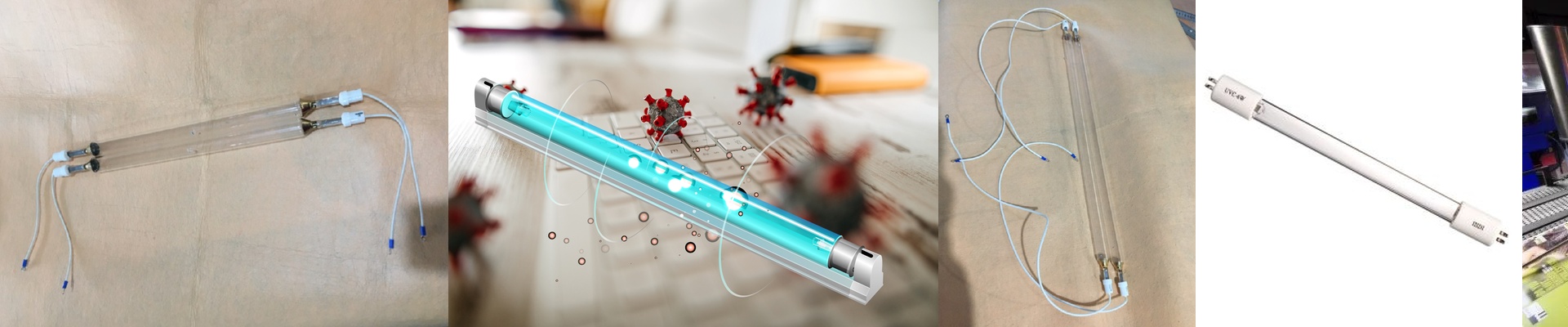
If you’re dealing with e-commerce products that blow up overnight, you know the drill. Demand spikes, your production line screams for more capacity, and suddenly your biggest headache isn’t sales—it’s hardware. Waiting weeks for a custom prototype is a nightmare. It kills your momentum. That’s why we stopped doing things the slow, “bespoke” way and switched to a modular setup. We’ve basically created a menu of standardized UV configurations. You still get the exact wavelength and intensity you need, but we can get them out the door and into your facility way faster.
Cutting Through the Technical Noise
Usually, the biggest bottleneck is the “spec-out” phase—all that back-and-forth arguing over dimensions and power. We’ve fixed that by building a library of power densities that we already know work. By locking in the core electrical stuff—voltage and wattage—these lamps just slide right into your existing fixtures. No fuss. And if you’re running a high-output line, we match the lamp’s output to your specific photoinitiator. It saves you from that annoying trial-and-error phase on the shop floor where you’re just guessing and hoping for the best.
A Few Real-World Warnings
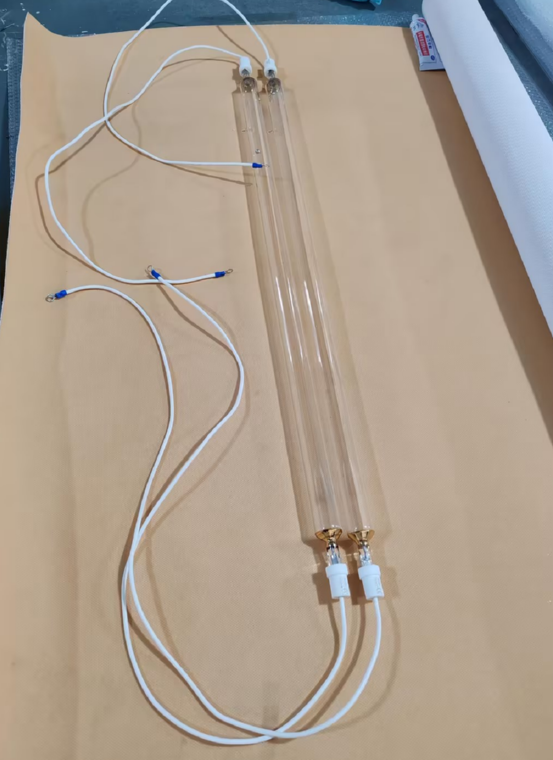
Here’s the thing: these lamps are built to survive a rough industrial environment, but physics is physics. High-intensity UV creates a lot of heat. **Check your cooling.**If your fans or water jackets aren’t up to the task, your lamps are going to burn out early. It doesn’t matter how high-quality the quartz is; if the heat has nowhere to go, the lamp dies. Also, we use high-purity fused quartz to keep the transmission rates high. It’s great for performance, but it means the tubes are a bit more fragile. Just make sure they’re seated correctly in the housing so you don’t have any accidental breaks.
How We Keep Things Moving
We don’t wait for your order to start gathering parts. We keep the electrodes, quartz tubing, and gas mixes ready to go. Once you tell us what connectors you’re using, we wire them up and ship them. It’s a much simpler way of doing things. You get the technical precision of a custom build, but you don’t have to pay the “lead-time penalty” that usually comes with it.