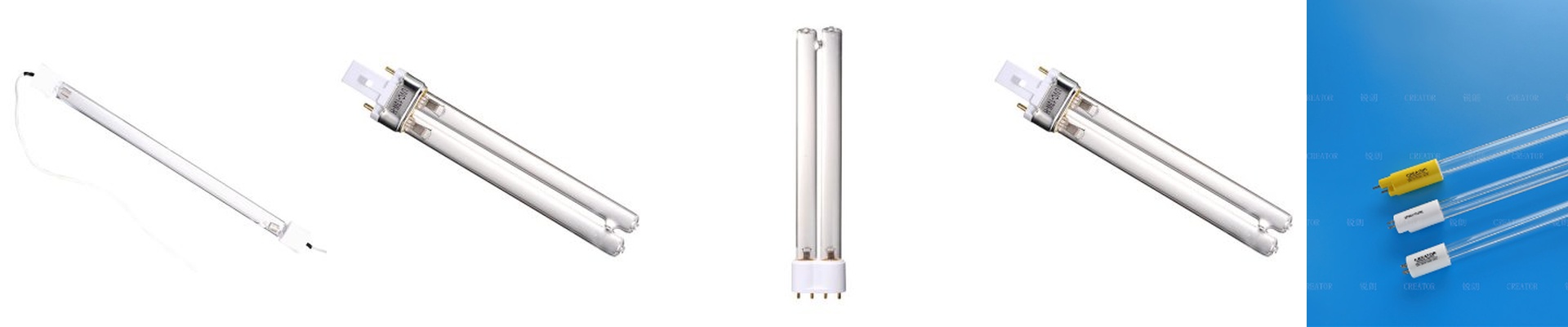
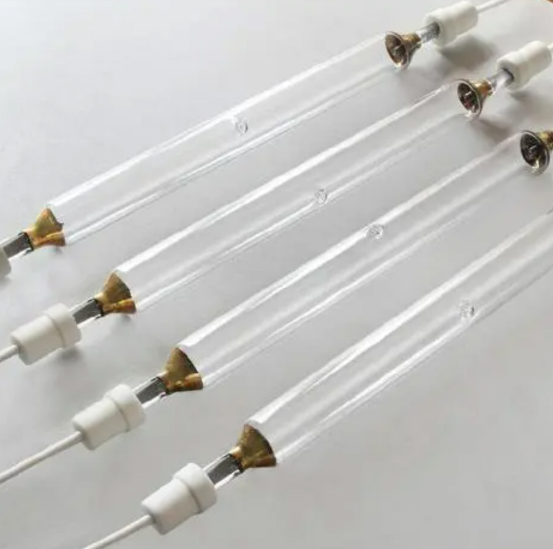
Stop Thinking of UV Lamps as Just “Dryers”
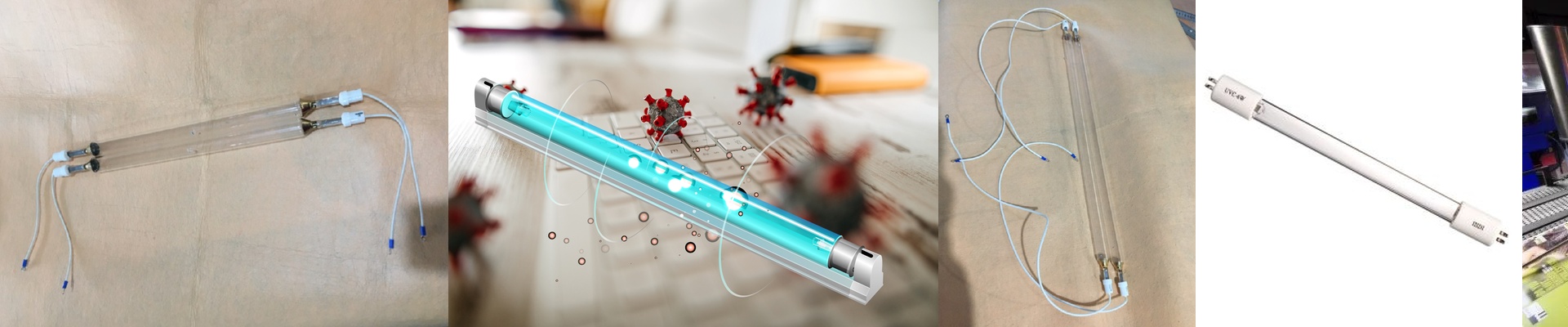
Most people look at a UV lamp and see a tool for curing. We see it differently. To us, it’s all about precision energy. When you’re running a modern line, light isn’t just there to dry ink. It’s there to control a chemical reaction. The goal? Making sure that reaction happens at the exact same speed your conveyor is moving.
Getting the Light Right
Here is the thing: your resin has a specific photoinitiator. That means it only “wakes up” when it hits a very specific wavelength. If you need a hard surface, you go with UVC. If you need the cure to soak deep into the material, you need UVA. But if your output shifts by even a couple of nanometers? You’re in trouble. That’s how you end up with those annoying tacky surfaces or parts that just didn’t set. We calibrate our tubes so the energy is steady from one end of the lamp to the other. No “cold spots,” no guesswork.
Dealing with the Heat
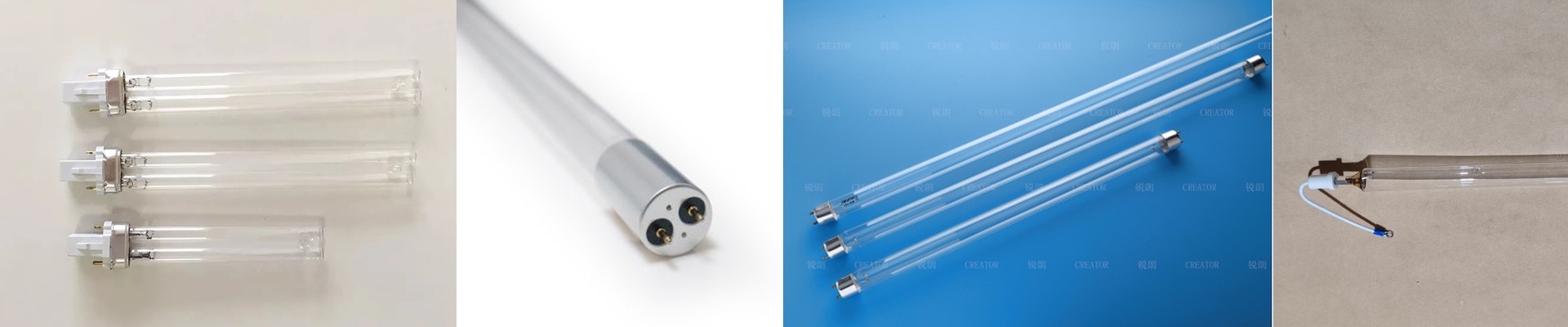
High-wattage UV systems get hot. Really hot. To handle that, we use high-purity quartz envelopes. They let the UV light through while keeping the internal arc temperature under control. But you’ve got to be careful with your power. Voltage spikes are killers—they’ll fry your electrodes way before their time. We usually suggest electronic ballasts. They stop the flicker and make the lamps last longer. And a heads-up: more intensity equals more heat. If your cooling fans or water-jackets aren’t up to the task, you’ll start warping your substrates. Nobody wants that.
Making it Work on Your Floor
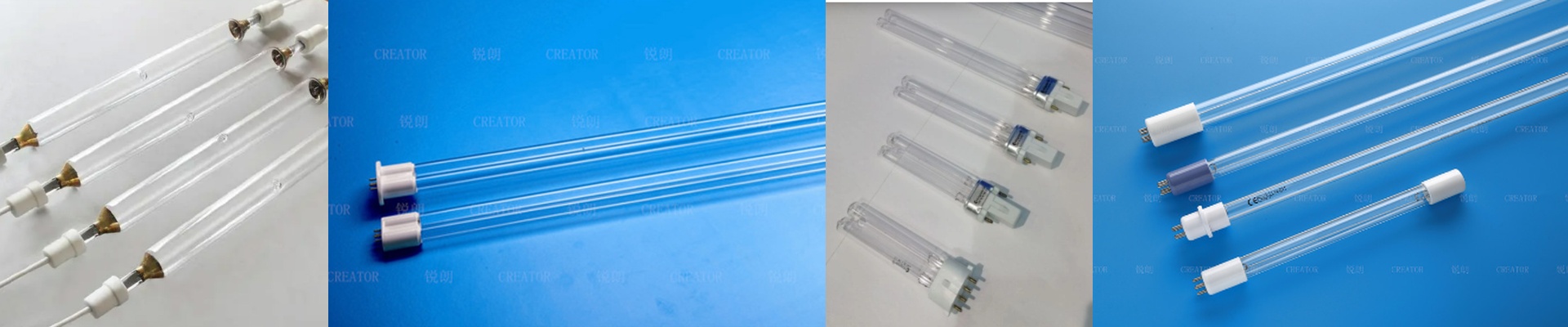
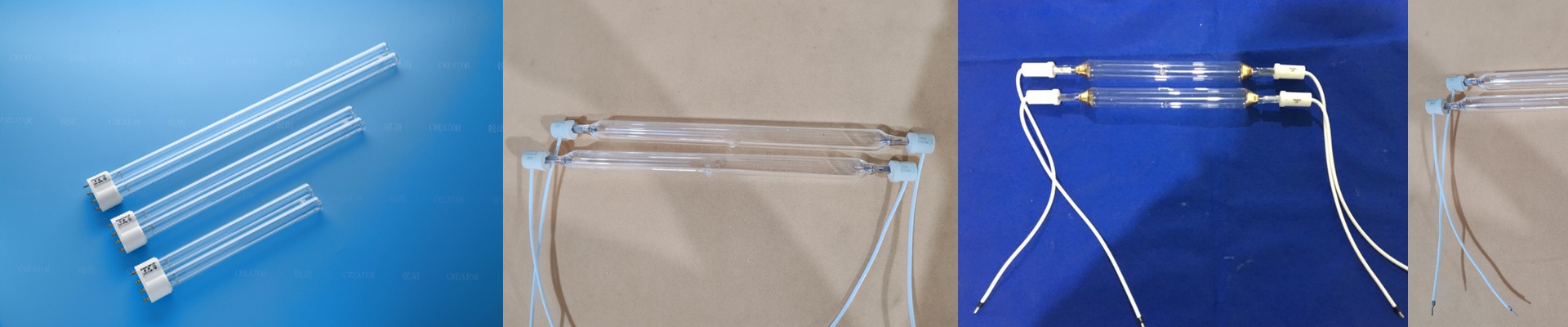
We build these to be drop-in replacements. We obsess over the footprint and the connectors because nobody wants to spend their weekend rewiring an entire rig just for a retrofit. Plus, you can sync the lamp output with your PLC triggers. This lets you tweak the dosage on the fly. It’s a relief, honestly. You get a repeatable cure every single time, no matter how fast the line is humming along.