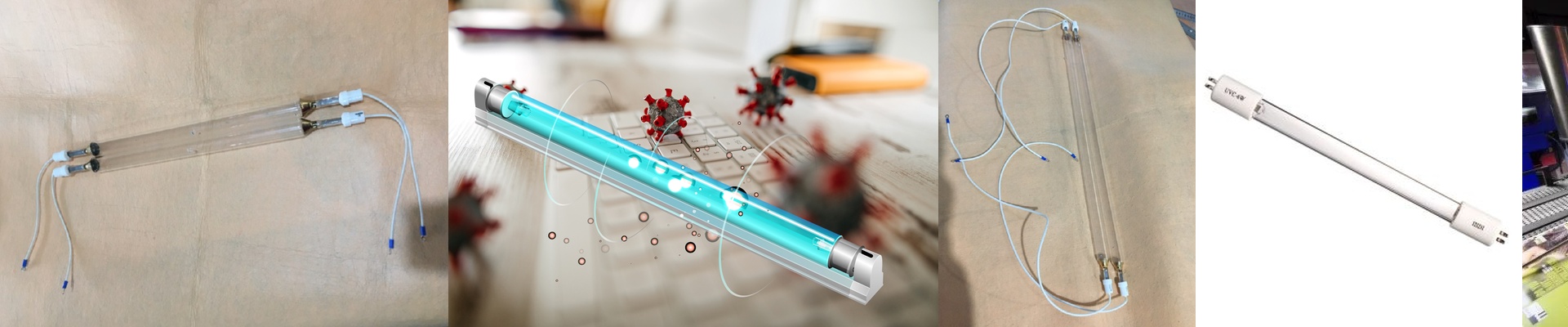
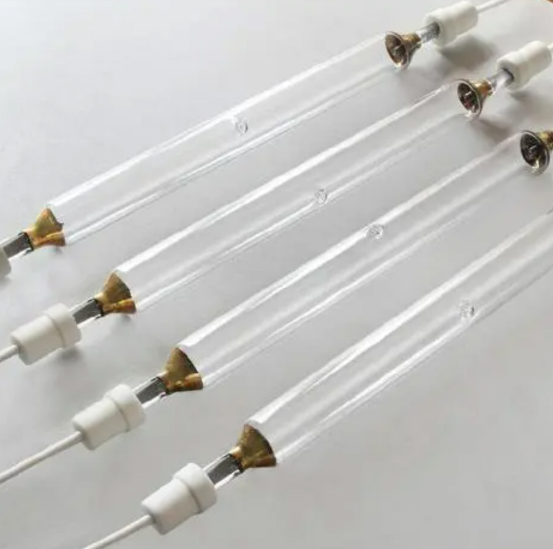
Getting the Most Out of Gallium Iodide Lamps in PCB Fab
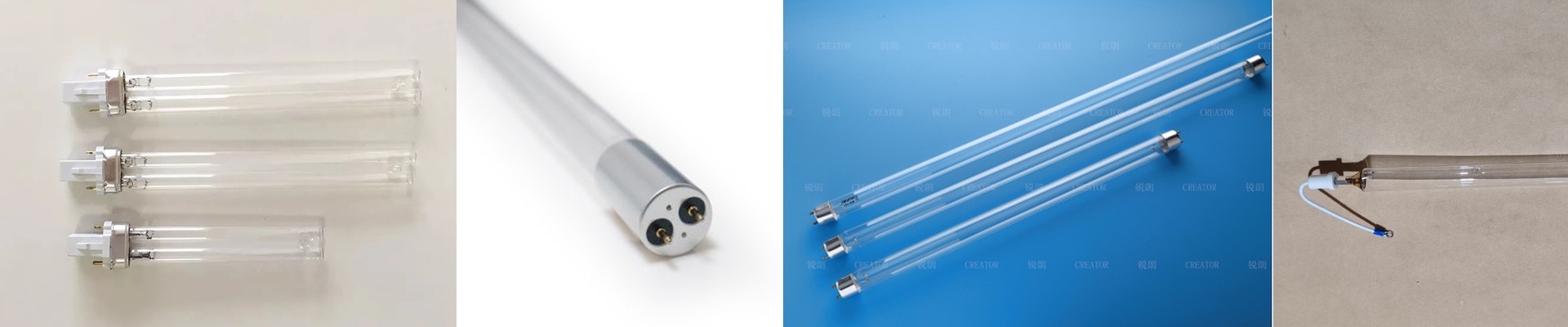
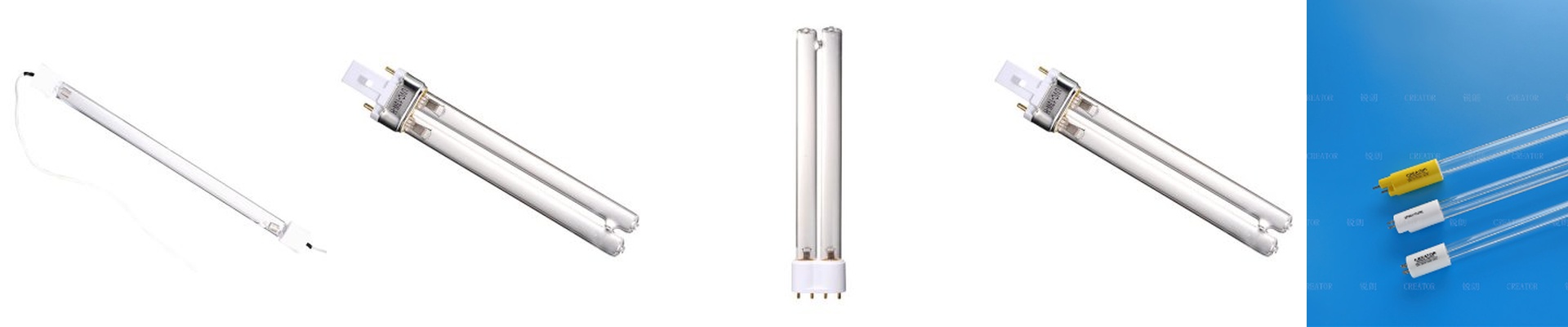
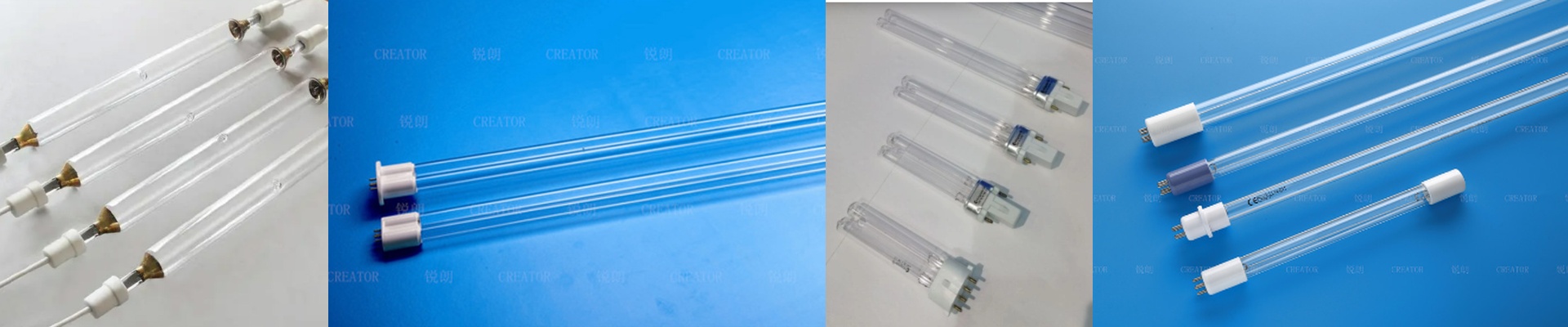
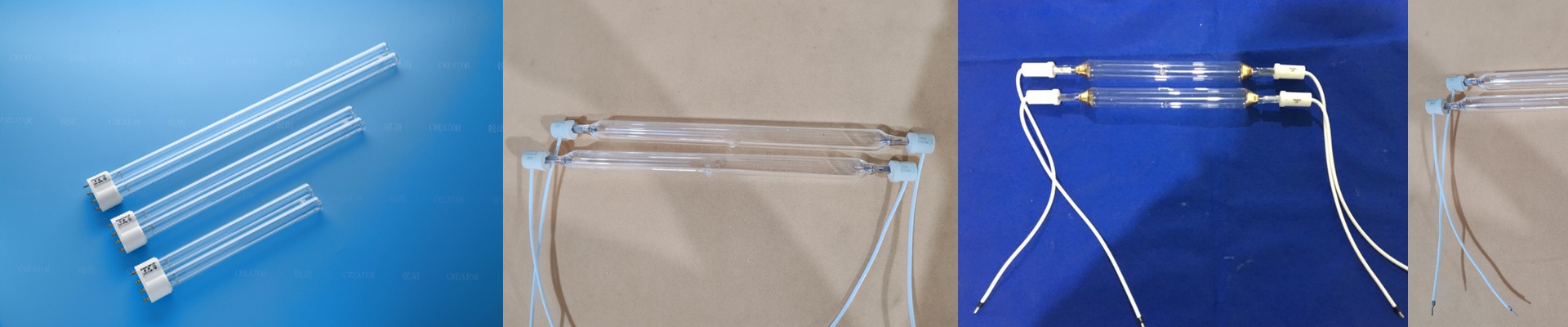
If you’re working with photoresists or dry film laminates, you know the struggle of getting that cure just right. That’s where Gallium Iodide (GaI) lamps come in. Think of them as a specialized upgrade over your standard mercury lamps. Instead of a general glow, they push out a heavy dose of shortwave UV radiation. We specifically tune these to hit the absorption bands used in HDI boards. Why bother with gallium? It’s all about the chemistry. Adding gallium iodide to the mix boosts the output in that 200nm to 300nm sweet spot. For you, that means the resist layer polymerizes faster. It’s simple: more UV intensity means you can crank up your conveyor speed without worrying about an incomplete cure. Your line moves faster. Your throughput goes up. Everyone’s happier. The “Catch” (and how to handle it) Here’s the thing: these lamps run hot. Really hot. To get that kind of UV flux, we’re pushing a lot of wattage through a quartz envelope. If your cooling fans are dusty or your chilled water jackets aren’t up to the task, you’re going to have a problem. Overheating doesn’t just kill the lamp’s lifespan—it makes the UV output dip right when you need it most. Most of the time, these are drop-in replacements for your current UV tunnels. But do me a favor: double-check your power supplies. Gallium-doped tubes have some specific voltage spikes during startup that can trip an old or undersized power source. Getting those edges sharp In PCB printing, a “close enough” cure isn’t good enough. You want those circuit traces sharp. GaI lamps help stop that annoying light bleed or the under-curing that happens at the edges. But the hardware is only half the battle. We actually spend a lot of time helping folks dial in the lamp height and belt speed. There’s nothing worse than seeing your resist peel off during the etching phase because the settings were slightly off. And if you’re noticing that the cure looks different on the left side of the board than the right? That’s usually a sign that your reflectors are misaligned or the lamp is just getting old. We can help you figure out a replacement cycle so you aren’t guessing. It’s much easier to swap a lamp on a schedule than to deal with a crashed yield on a Friday afternoon.