Getting Your Industrial UV Setup Right
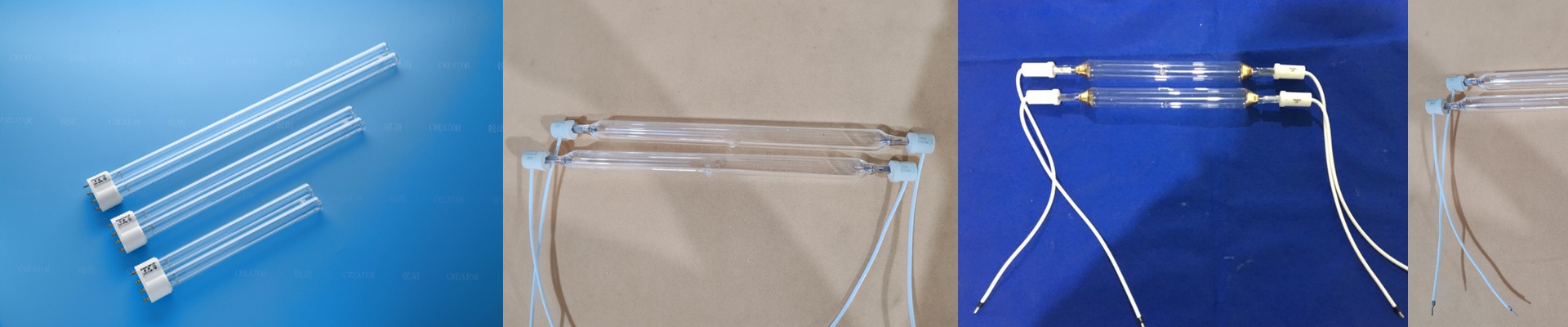
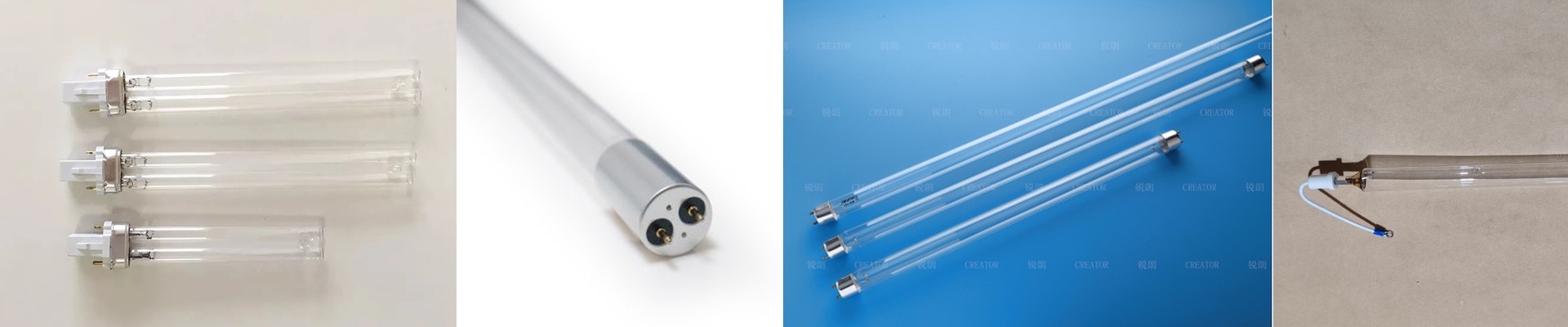
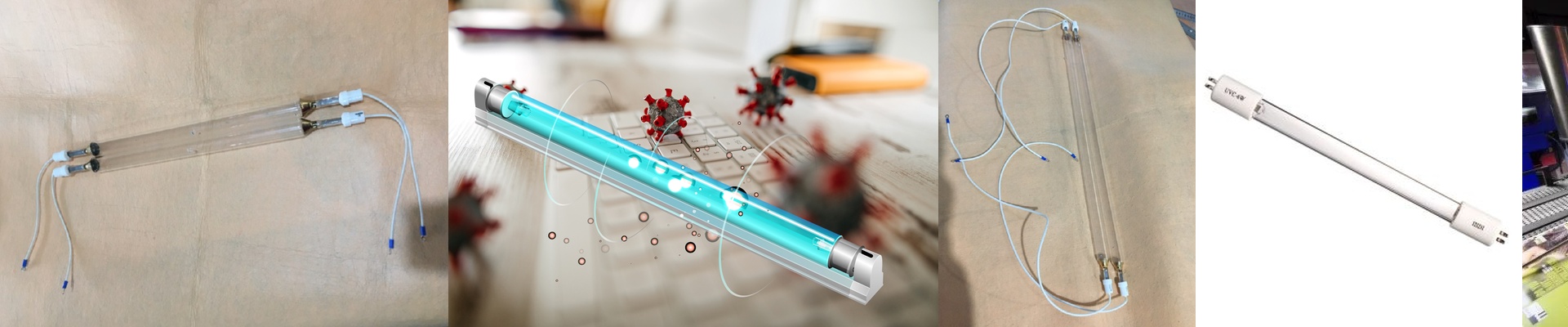
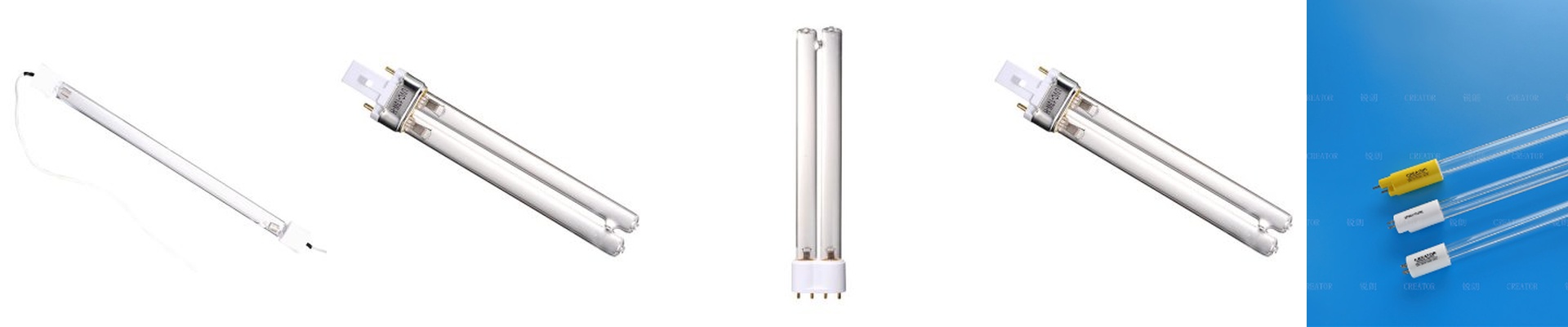
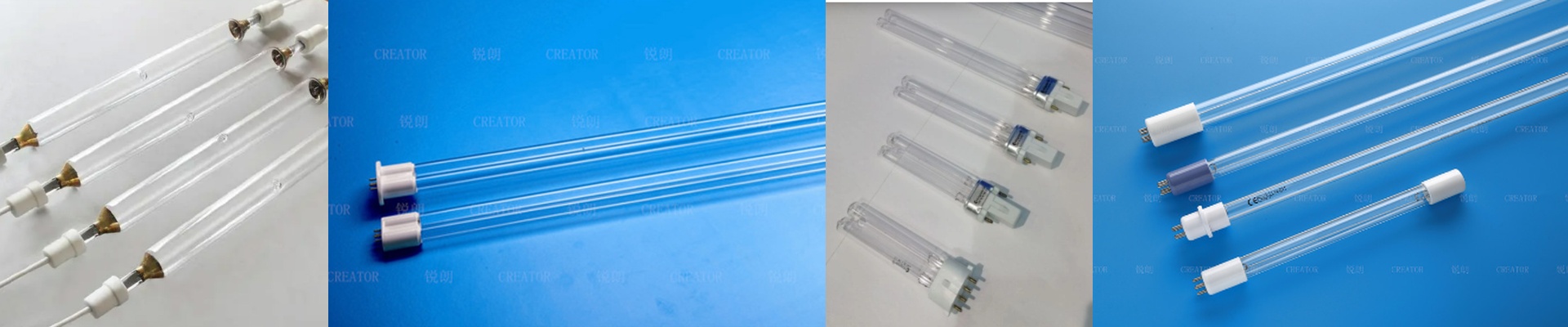
When you’re ordering germicidal UV bulbs in bulk, you’re not just buying some glass tubes. You’re buying a very specific tool—usually hitting that 253.7nm mark—to knock out microbial DNA. We build our custom lamps to hit the same benchmarks as the big global brands. Simple as that. If they don’t perform or the sterilization isn’t hitting the mark, we’ll give you your money back. No arguments.
The Voltage Headache
Here’s the thing: a UV system is only as good as its stability. If the arc isn’t steady, you’re wasting your time. We make sure our bulbs keep a consistent level of light from one end of the tube to the other. Most of our gear works with standard ballasts, but we can tweak the wattage to fit whatever space you’ve already got. Just be careful with your voltage. If the ballast and the lamp aren’t a perfect match, your electrodes will burn out way too fast, or you’ll get that annoying flickering. When the light flickers, your sterilization dose drops, and that’s where things get risky.
Why the Glass Matters
We use fused quartz because it actually lets the UV-C rays through. Regular glass just blocks them. We also spent a lot of time on the electrode design to stop “sputtering.” If you’ve ever seen a tube get dark and cloudy on the inside, that’s sputtering. It’s basically metal deposits building up on the glass, and it kills your output. We’ve worked to keep that from happening so your lamps actually last.
Fitting Them In
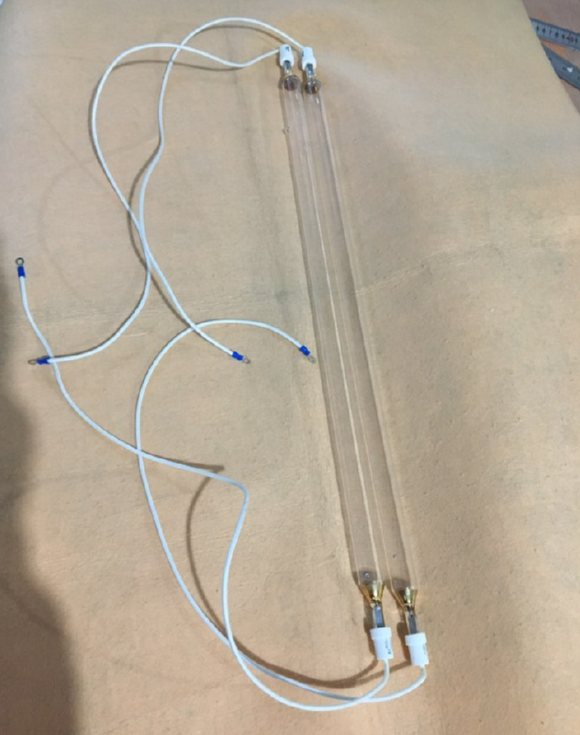
These are designed to be drop-in replacements, so they should slide right into most industrial sterilizers. But a heads-up: high-intensity UV-C creates heat. They aren’t space heaters, but the ballast and the tubes still get warm. You’ve got to make sure your housing has plenty of airflow. If the tube gets too hot, the mercury vapor pressure shifts and the whole thing becomes less efficient. We’ll give you all the raw technical data upfront. That way, you can figure out your cooling fans and racking before you even start wiring things up.