Getting Your UV Curing Right in Textile Printing
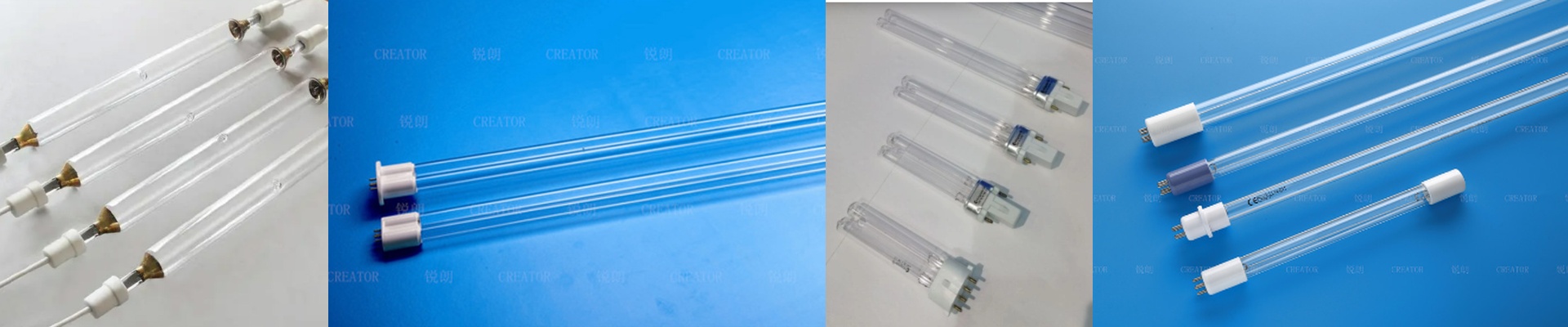
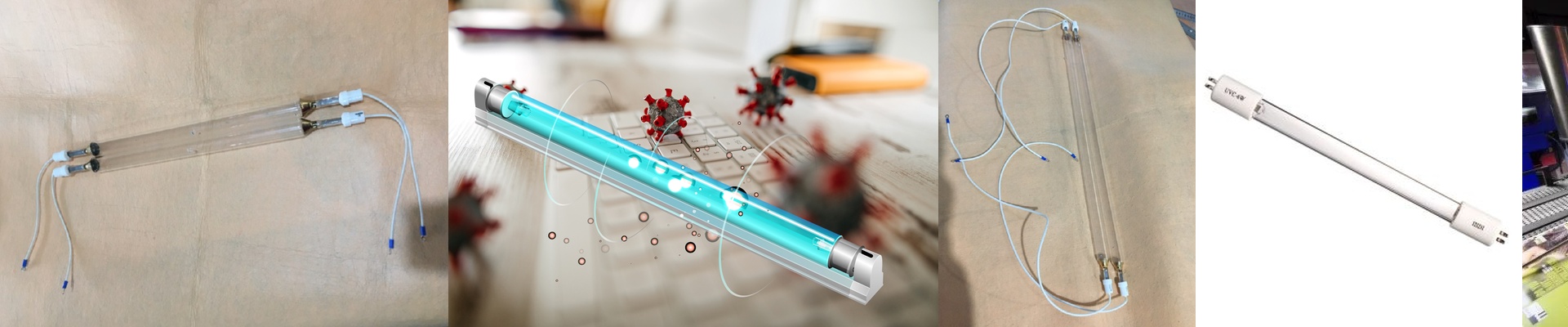
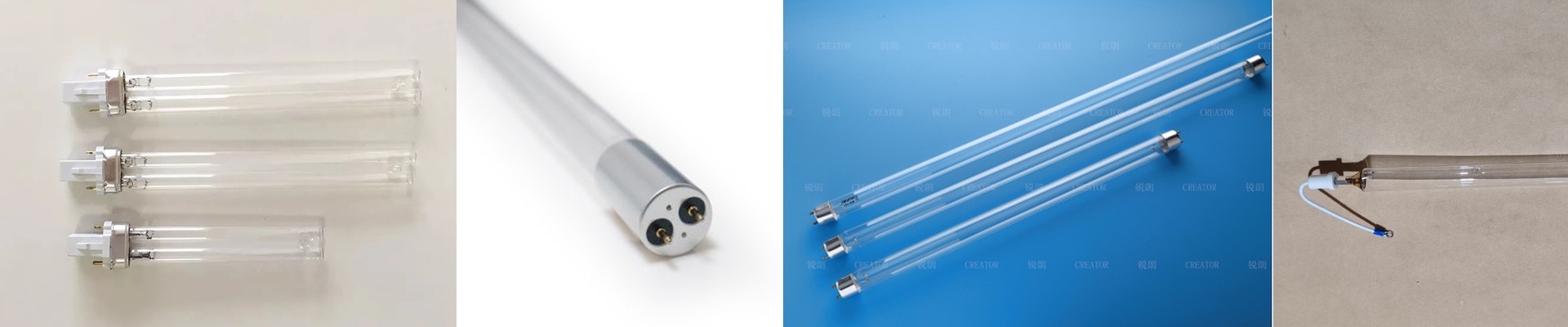
Most people think germicidal UV bulbs are just for scrubbing surfaces clean. But if you’re in high-end textile printing, you know they do way more. We use these lamps to make sure the ink actually sticks and to keep any nasty microbes from ruining the fabric. Basically, they blast out shortwave UV radiation (peaking at 253.7 nm) that breaks down contaminants and sets your ink perfectly.
Power, Heat, and the Balancing Act
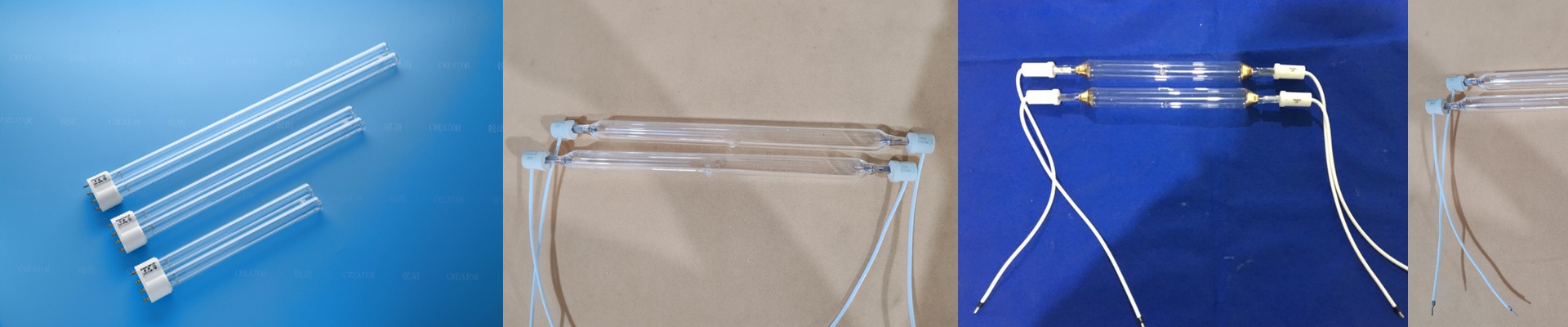
When we build these bulbs, the goal is a steady UVC output from one end of the tube to the other. If you’re buying in bulk for a production line, don’t get bogged down in the fluff. Look at thewattage per millimeter. That’s the number that actually tells you how fast your conveyor can run. But here’s the catch: more power in a short tube means more heat. If your cooling fans aren’t up to the task, that quartz envelope is going to overheat and burn out way sooner than it should. Keep it cool, or you’re just wasting money.
The Nitty-Gritty: Quartz and Connections
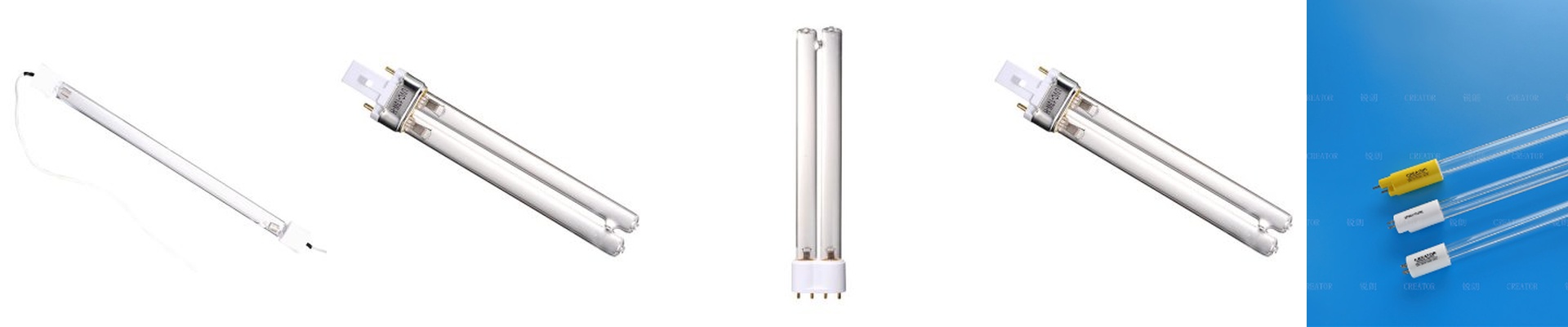
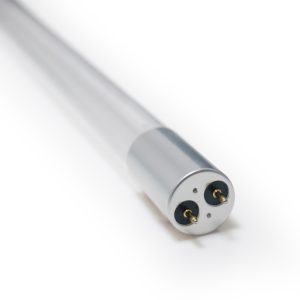
We use high-transmittance fused quartz for the glass. Why? Because regular glass just blocks the UVC. Quartz lets it fly right through. The electrodes are built to handle the stress of being flipped on and off all day without pitting. And a quick tip for your setup:make sure the fit is tight. If those pins are loose in a high-speed rig, you’ll get arcing. That’s a fast track to frying your sockets.
Keeping Your Quality in Check
In a busy plant, these bulbs are your last line of defense. They kill off the kind of spores that can literally rot your fabric while it’s sitting in a shipping container. You’ve got to get the distance between the bulb and the fabric just right. Too close? You’ll scorch the fibers. Too far? The UV dose drops off, and you’re left with tacky, half-cured ink. And don’t be fooled by the light. Just because the lamp is still glowing blue doesn’t mean it’s working. The phosphor wears out. We suggest swapping them out every 8,000 to 10,000 hours to keep things running smooth.