How to actually grow your UV curing brand without the headache
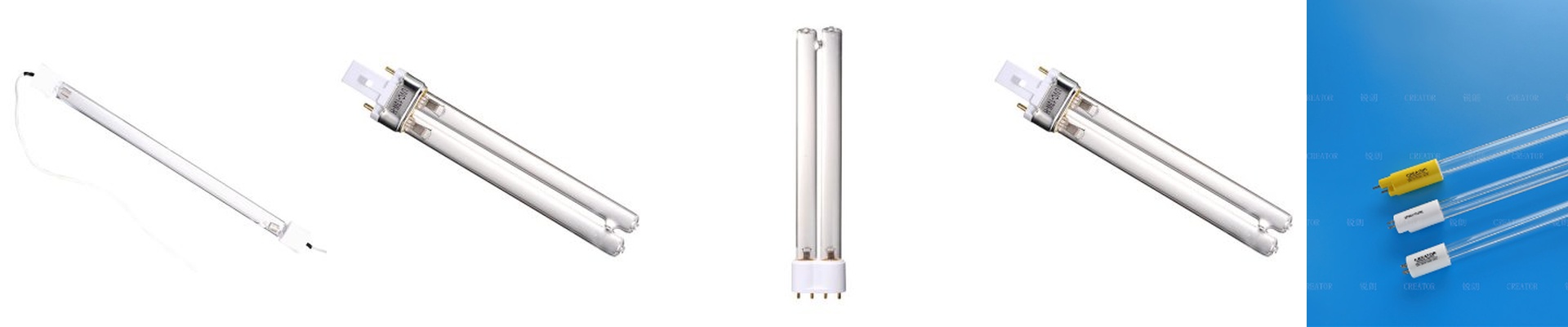
Let’s be honest: building a brand in the UV curing space is about more than just sticking your logo on a generic lamp and hoping for the best. Your customers aren’t all doing the same thing. One might be working with thin, runny adhesives while another is tackling thick industrial coatings. If you give them a “one size fits all” box, you’re going to have problems. That’s why we do things differently. We provide the modular hardware—the guts of the machine—and you decide how it fits into your brand.
The secret is in the modules
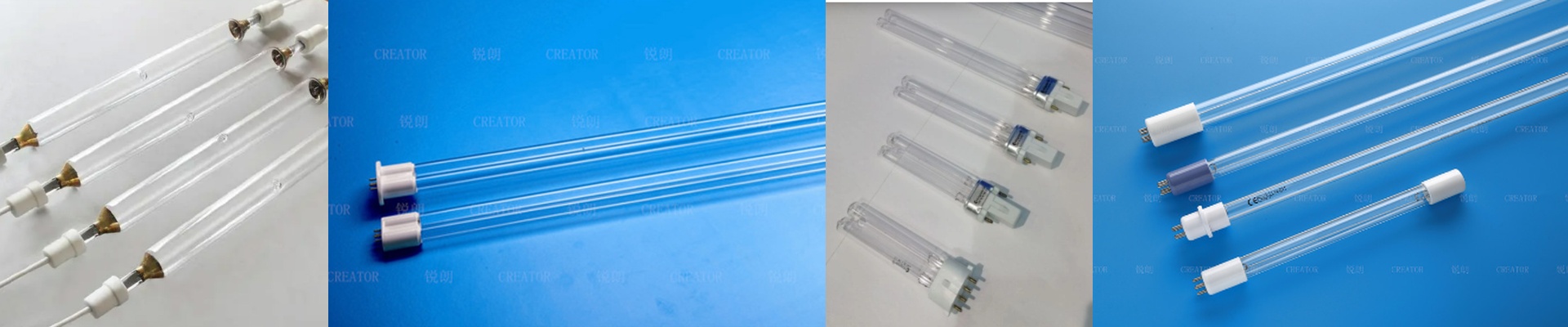
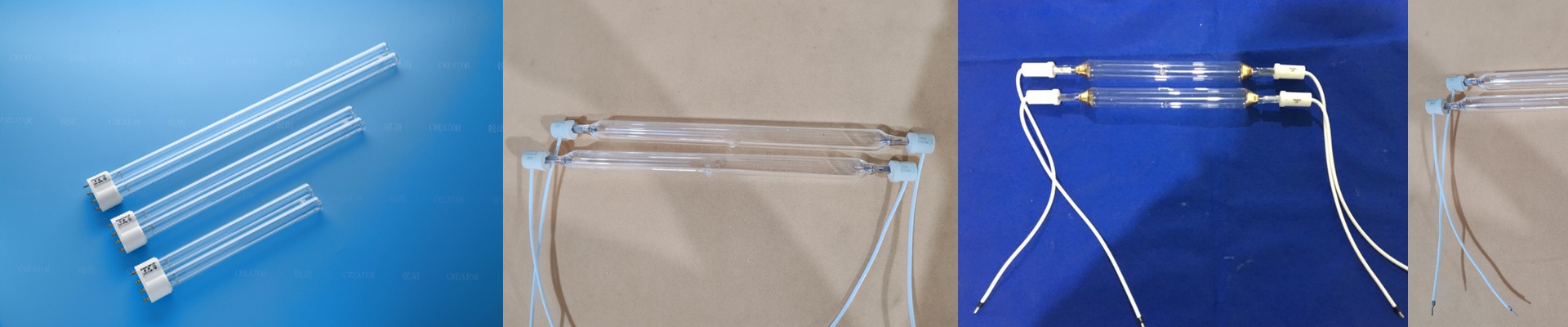
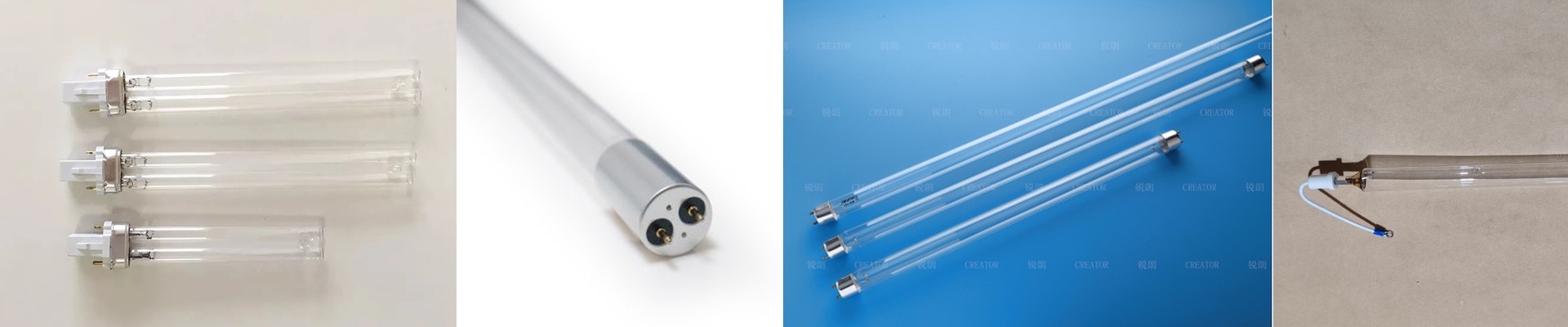
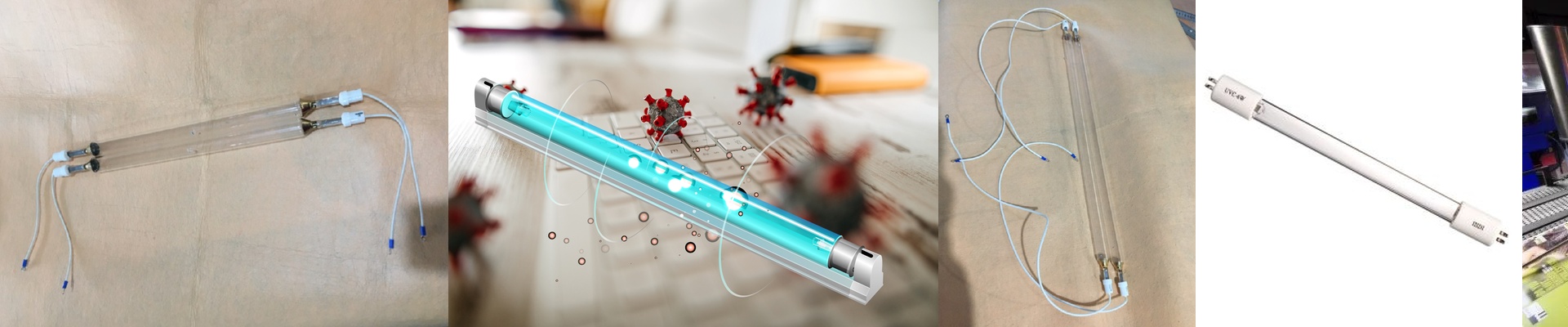
Here is the thing about power density: it needs to be flexible. Our systems are built like LEGOs. If your client is running a high-speed conveyor and the cure isn’t hitting the mark, you don’t have to redesign the whole machine. You just add more lamp tubes. More modules equals more mW/cm². Simple as that. You get to decide the footprint and the feel. We just handle the boring stuff in the background, like the wiring and matching the ballasts, so you don’t have to spend your weekends troubleshooting electrical shorts.
Making it yours
We aren’t just shipping boxes off a shelf. We want this to feel like your own proprietary tech. You tell us the physical and electrical specs you need. Need a specific lamp length? Got it. Need a certain cooling setup? We can do that too. For the light stuff, air-cooling is usually plenty. But if you’re pushing serious wattage, things get hot—fast. To stop the substrate from warping or melting, we can build in water-cooling jackets. It keeps everything chill while the UV does the heavy lifting. Plus, you hold the keys. You control the pricing and how you handle your customers. It’s a drop-in system that looks and acts like you built it from the ground up in your own lab.
The reality of high power
Now, there’s a trade-off. You can’t push massive amounts of wattage without creating heat. It’s just physics. If you spec out a system for maximum intensity, your customers need to be smart about their ventilation. If the shop floor is a sauna, the electronics will eventually give up. We’ll give you all the thermal data you need. From there, it’s up to you to make sure your customer’s workspace can handle the heat.