Getting UV Right in the Modern Factory
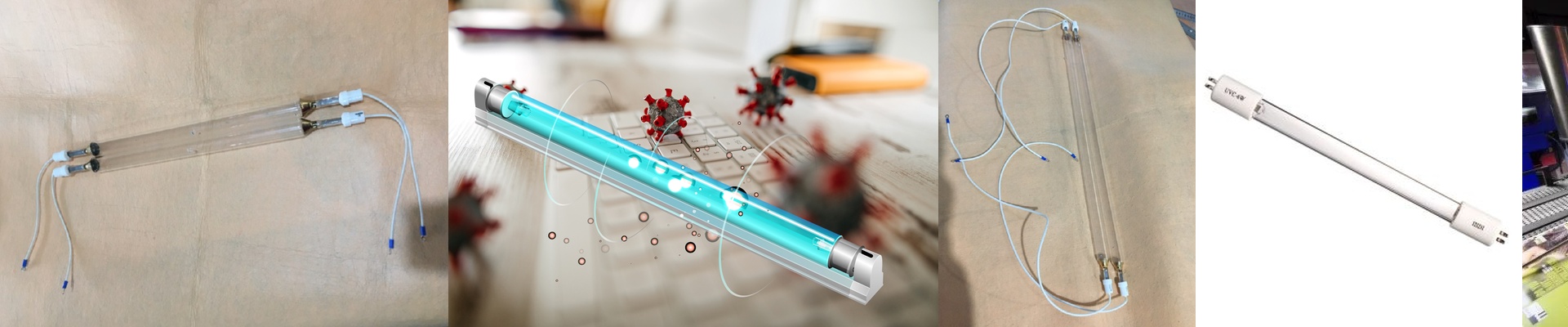
UV lamps aren’t just for drying ink or sticking glue together anymore. We look at custom UV design as a way to actually manage your energy. If you’re running a modern smart factory, your light source needs to talk to your sensors and PLC controllers. It’s all about keeping that process window tight so you aren’t guessing if the part is cured or not.
The Balance of Power and Heat
When we spec out a lamp, we start with your photoinitiator. That tells us the wavelength you need. Maybe it’s UVC for killing germs, or UVA for curing deep into a material. Here’s the trade-off: if you want your conveyor belts to move faster, you need more power density. More watts equals more throughput. Simple, right? But there’s a catch. Cramming more power into a shorter tube creates a lot of heat. If your cooling fans can’t keep up with that thermal load, the lamp overheats. And when that happens, your UV output drops. You end up slower than when you started.
The Nitty-Gritty of Materials
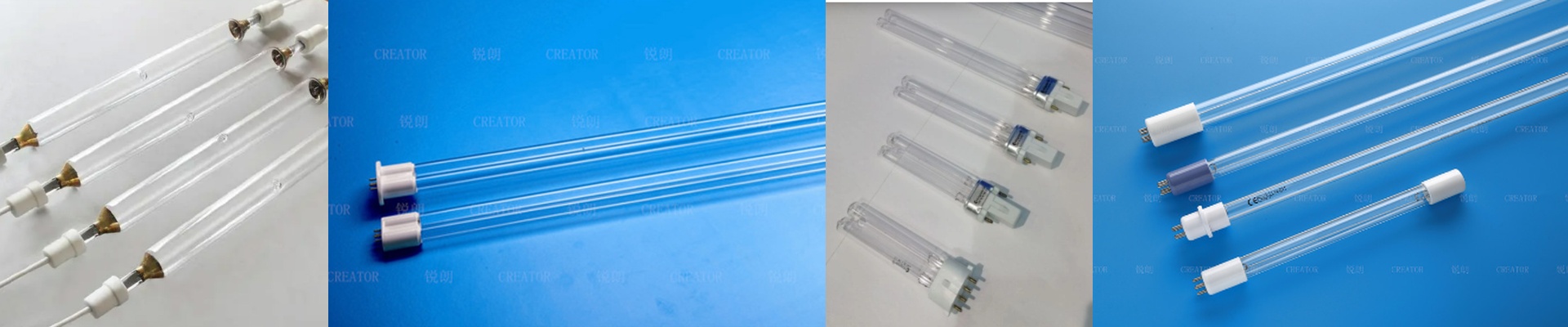
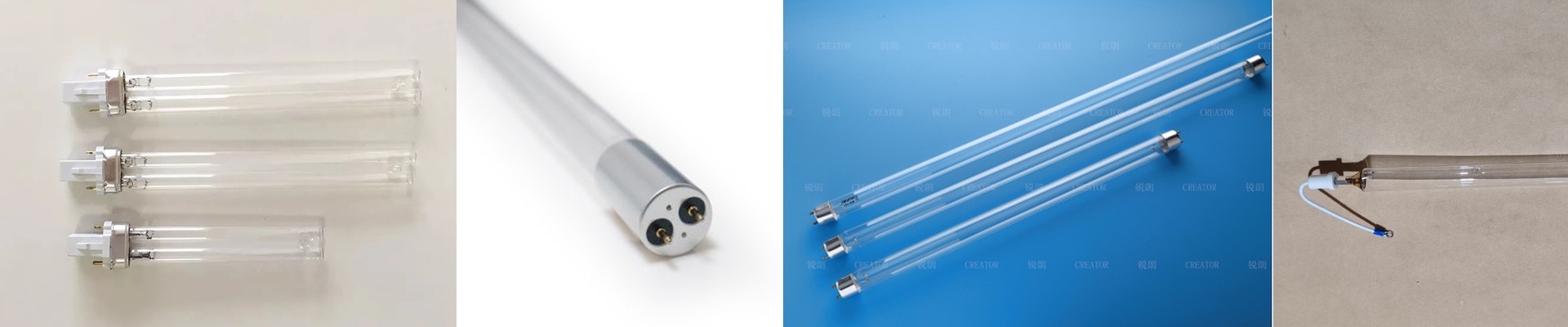
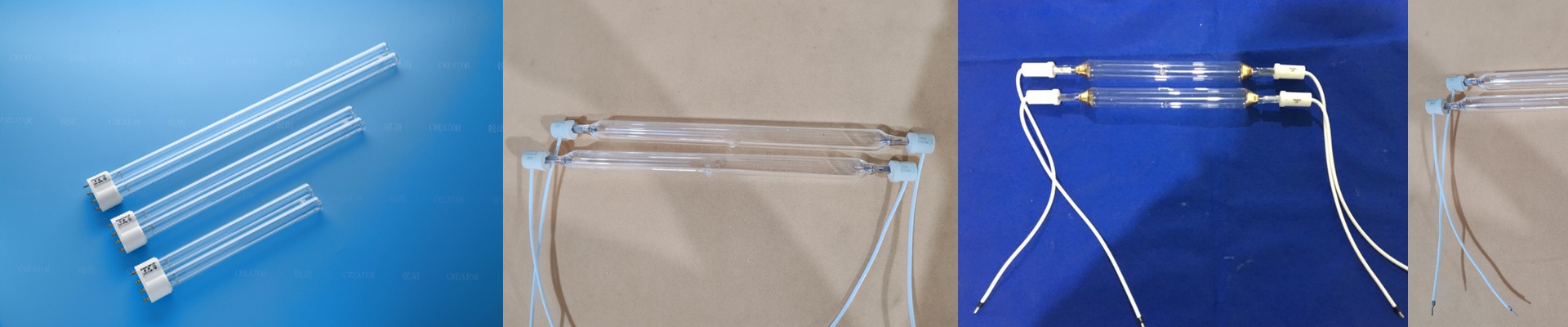
We use high-purity fused quartz. Why? Because it lets the most UV light through without wasting energy. For the tricky jobs, we add thin-film coatings. These act like a shield, filtering out the IR radiation that usually makes substrates warp or bubble. We also handle the wiring side of things. Whether you need a standard pinch-seal or something custom-engineered, we make sure the connectors are solid. Nobody wants to deal with an arc-over at the ends of their line.
Making it Work in the Real World
A custom system should just work. It should slide right into your existing fixtures without a headache. We obsess over the footprint. If the lamp isn’t sitting at the exact focal point of your reflector, you’re wasting light. We make sure the maximum amount of irradiance is actually hitting the part. And let’s be honest about the operational side: UV lamps wear out. Their output fades over time, so you’ve got to keep an eye on those hours. Plus, industrial power is messy. Voltage spikes happen. We build our systems to eat those fluctuations for breakfast so your lamps don’t burn out prematurely.