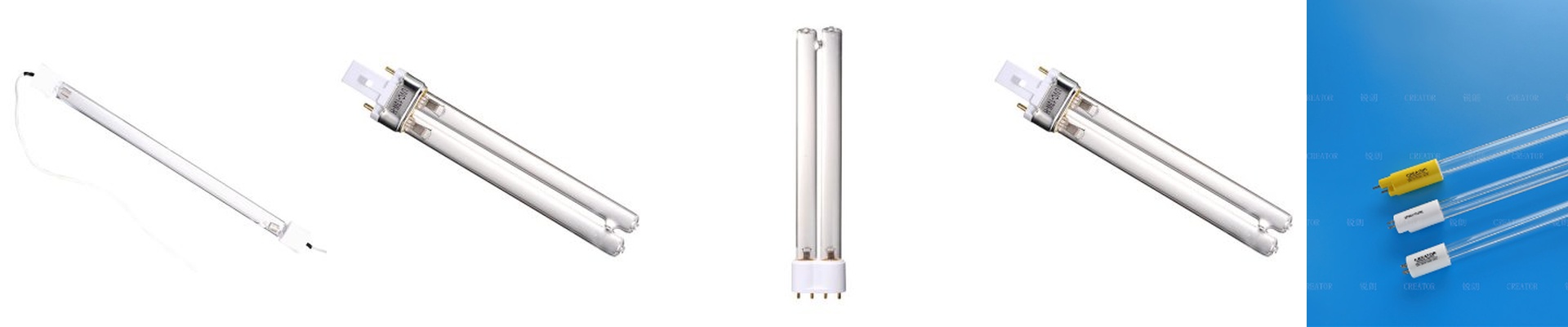
Don’t Let a Dead UV Lamp Kill Your Production
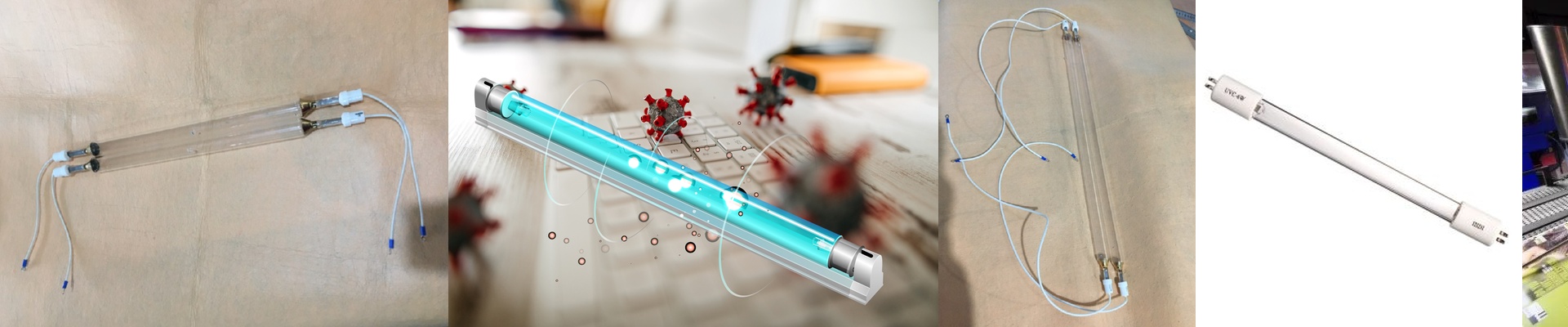
When a UV lamp pops, everything stops. If you’re pushing out best-sellers for an e-commerce rush, you can’t exactly sit around for two weeks waiting for a replacement bulb to show up in the mail. That’s why we built our high-demand series to be simple drop-in replacements. No messing with the wiring. No rebuilding the housing. You just swap it out and get back to work.
Getting the Power Right
Here is the thing about wattage: it has to be exact. If you put in a lamp with too little power, your curing speed tanks. Go too high? You risk overheating the reflector and causing real damage. We keep our tolerances tight so the bulb fits your existing fixture perfectly and your ballast doesn’t burn out. It just works.
The Nitty-Gritty: Glass and Connectors
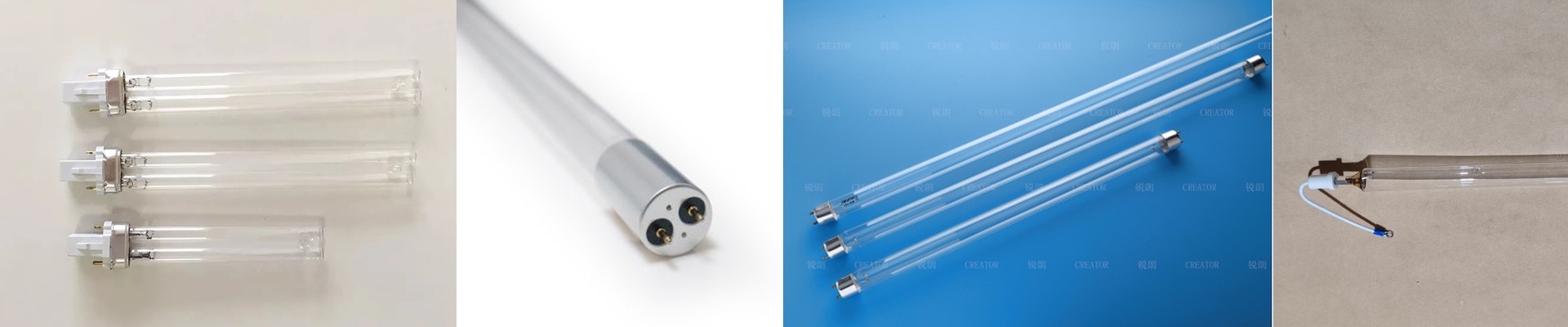
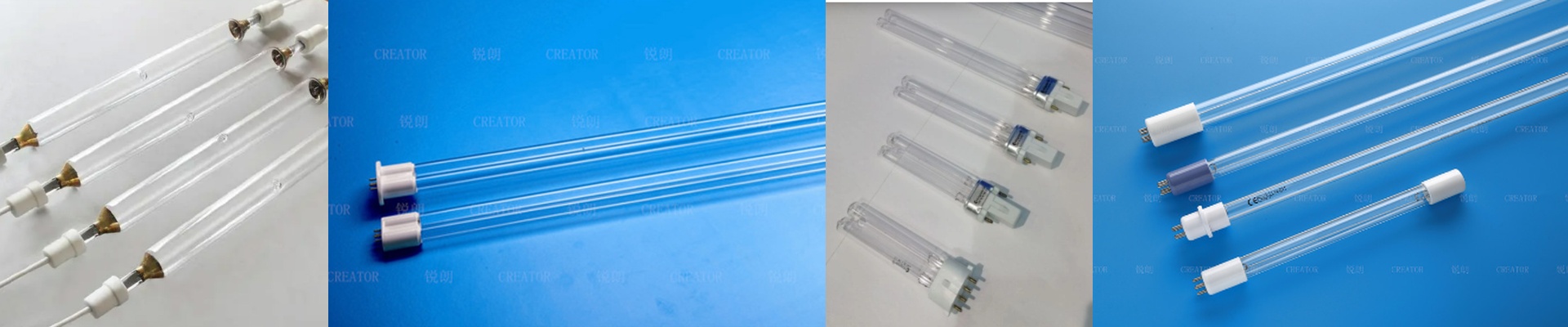
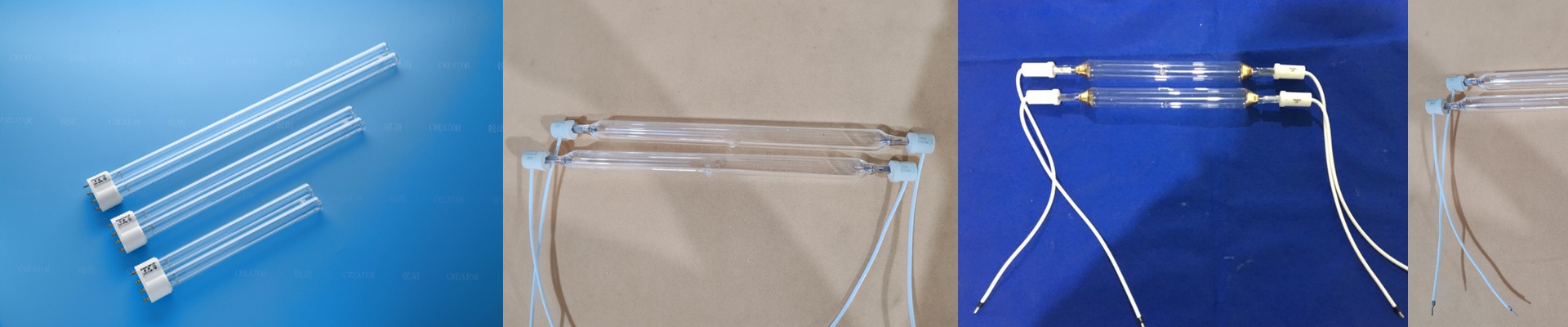
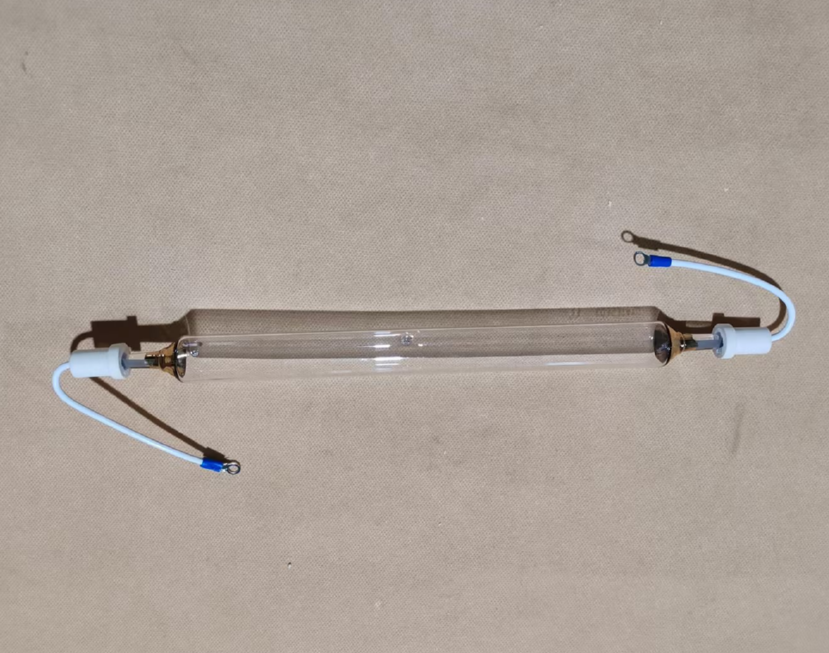
We use high-purity quartz glass. Why? Because cheap glass actually blocks the shortwave radiation you need to get the job done. Then there are the connectors. Whether you’re dealing with a twist-lock or a slide-in, we’ve reinforced the contact points. This stops that nasty arcing that happens under high heat. We also put extra work into the electrodes. Most lamps fail right there—at the seal between the electrode and the quartz. We strengthened that bond to stop gas leaks and handle the stress of being turned on and off all day.
Keeping Things Moving
People talk about “supply chain flexibility,” but let’s be real: it’s just about having the right stuff on the shelf. We keep a deep stock of our most popular models so we can ship them to you fast. One last tip: keep an eye on your hours. High-intensity lamps naturally fade. You’ll notice the output dropping after a few hundred hours of use. Don’t wait for the bulb to totally burn out and leave you stranded. Swap them early. It’s a lot cheaper to replace a lamp than it is to scrap a whole batch of ruined parts.