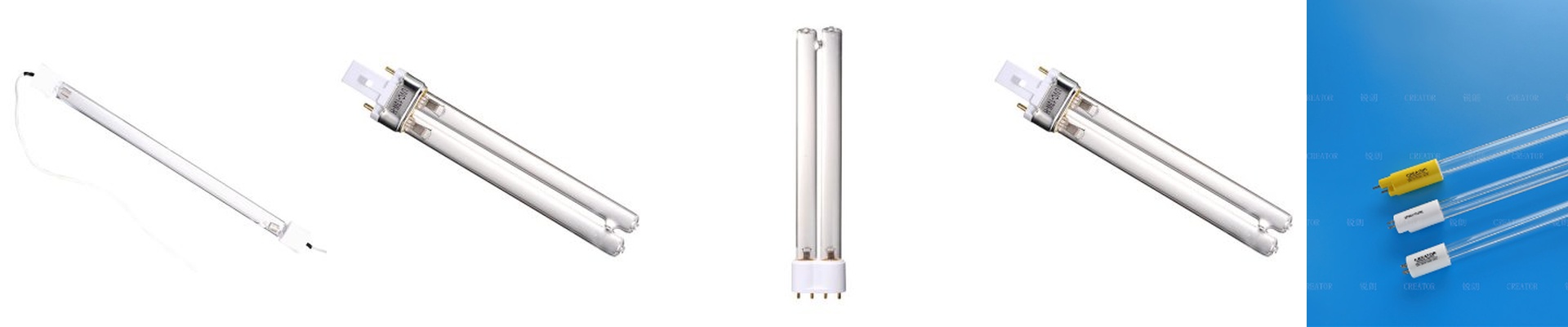
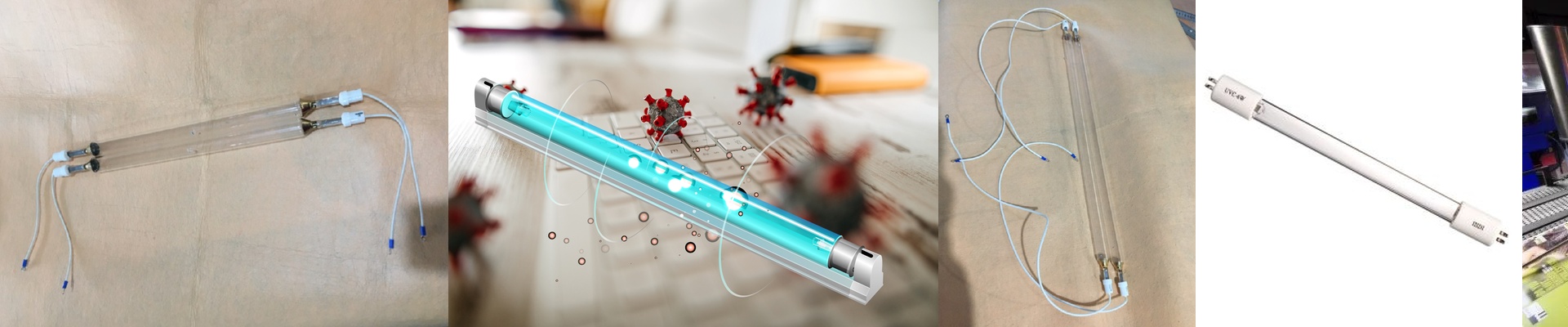
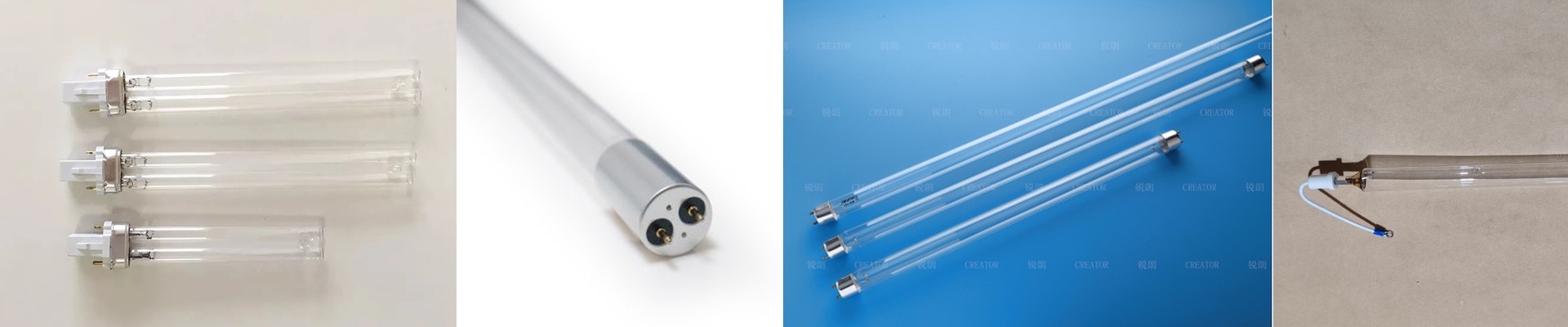
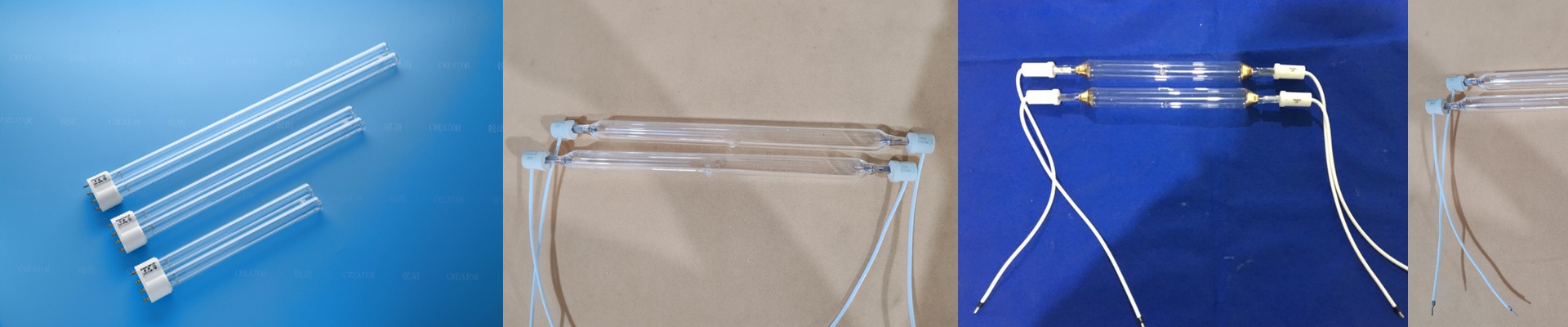
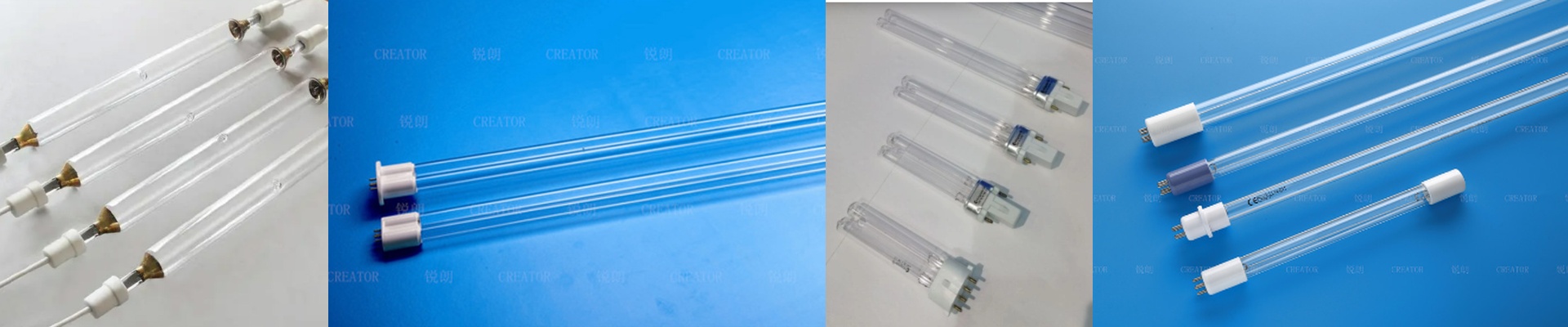
Getting the Most Out of Our 120W/cm Mercury UV Lamps
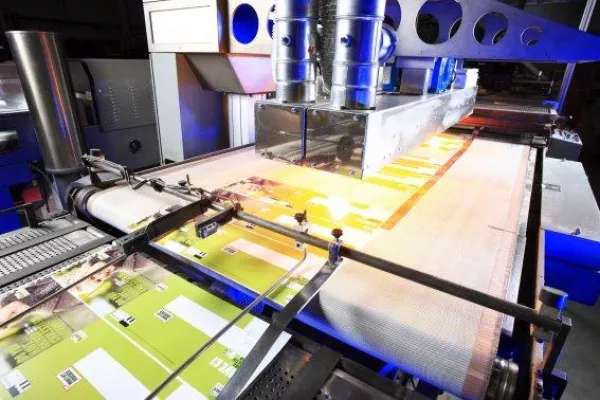
If you’ve spent any time in printing or coating, you know mercury vapor lamps. They’re the old-school workhorses that just keep on humming. We built our 120W/cm lamps specifically to hit those spectral sweet spots that trigger photoinitiators, turning your liquid inks into solid, cured finishes. The balance of power and speed Here’s the deal with that 120W/cm rating: it’s all about how much energy is actually hitting your material. By using a mercury discharge, we get a broad spectrum—mostly UVC and UVB—that snaps those chemical bonds in milliseconds. But you have to get your conveyor speed right. It’s a balancing act. Run the line too fast? Your ink stays tacky and rubs right off. Run it too slow? You’ll end up scorching your substrate. It takes a little tweaking, but once you hit that rhythm, it’s smooth sailing. Dealing with the heat These lamps get hot. Really hot. That’s why we use high-purity fused quartz for the envelope. It lets the UV light fly through without getting trapped, and more importantly, it doesn’t melt under the intense heat of the arc. But remember, that 120W/cm output pumps out a massive amount of infrared heat alongside the UV. You can’t just let them sit there. You need a forced-air cooling system or a chilled water jacket. If you skimp on the airflow, the quartz will stress and crack, or your electrodes will just burn out way too soon. Making it work on the floor We designed these to be drop-in replacements for most standard UV tunnels. They’re built tough because we know they’ll be living on a 24/7 production floor, dealing with constant vibrations and heat cycles. One quick tip: don’t expect them to hit peak performance the second you flip the switch. Mercury lamps need a bit of a warm-up to get their spectral output where it needs to be. The best way to handle this? Just plug a timer or a pre-heat cycle into your PLC logic. That way, the first piece of material hitting the belt gets the exact same cure as the last one.