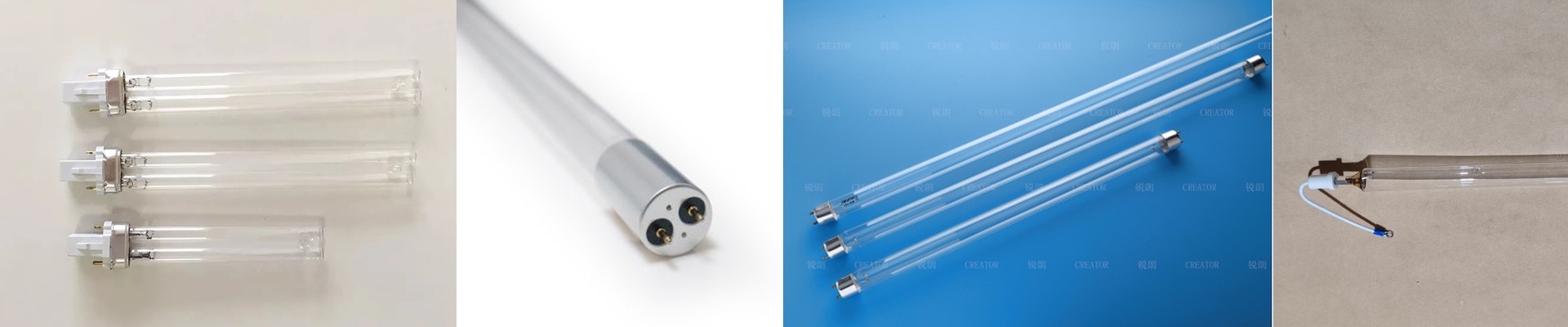
Getting the Most Out of Your Mercury UV Bulbs
If you’re working with UV-curable inks and coatings, you know the drill. You need that specific hit of short-wave radiation to make the magic happen—turning a liquid monomer into a rock-solid polymer film the second it hits the light. That’s exactly why we build our mercury bulbs. They take electrical energy and turn it into high-intensity UV light that gets the job done fast.
The Science (Without the Headache)
Inside the quartz envelope, these bulbs create a plasma discharge. It sounds fancy, but it basically just produces a broad spectrum of UV light, hitting those sweet spots at 254nm and 365nm. Most photoinitiators in the industry are designed specifically for those wavelengths. But here is the part where you have to be careful:your ballast. You’ve got to match the wattage and voltage perfectly. If you don’t, you’re looking at two bad options. Either the bulb burns out way too early, or you don’t get enough light, which leaves your prints feeling tacky to the touch. And a heads-up on high-wattage tubes—they’re great for speeding up a production line, but they put out a ton of infrared heat. If your cooling system isn’t up to the task, you might find your substrates warping. Not a great look.
Built to Last (If You Treat Them Right)
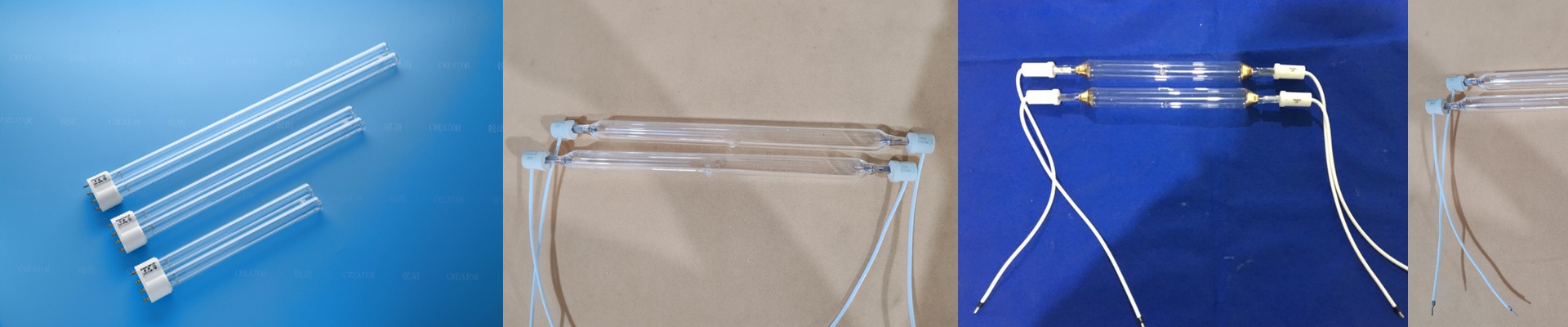
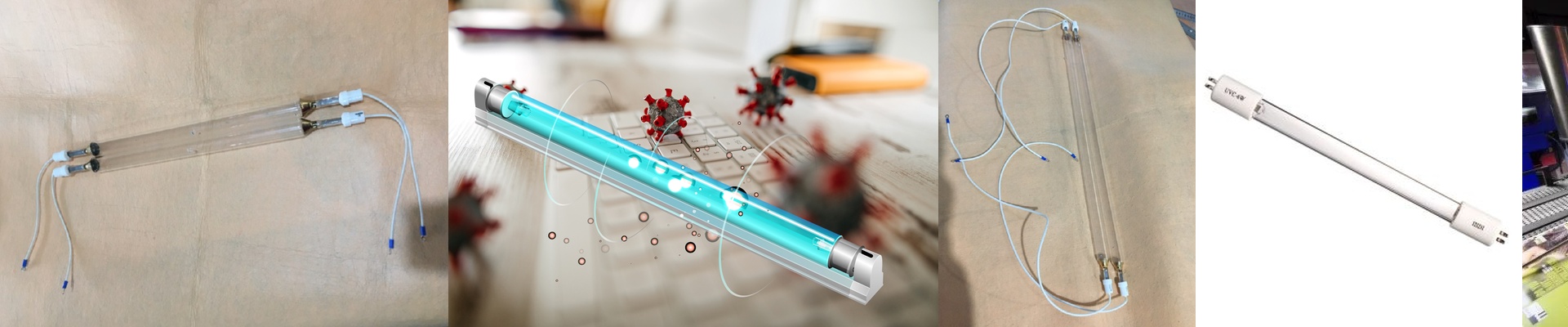
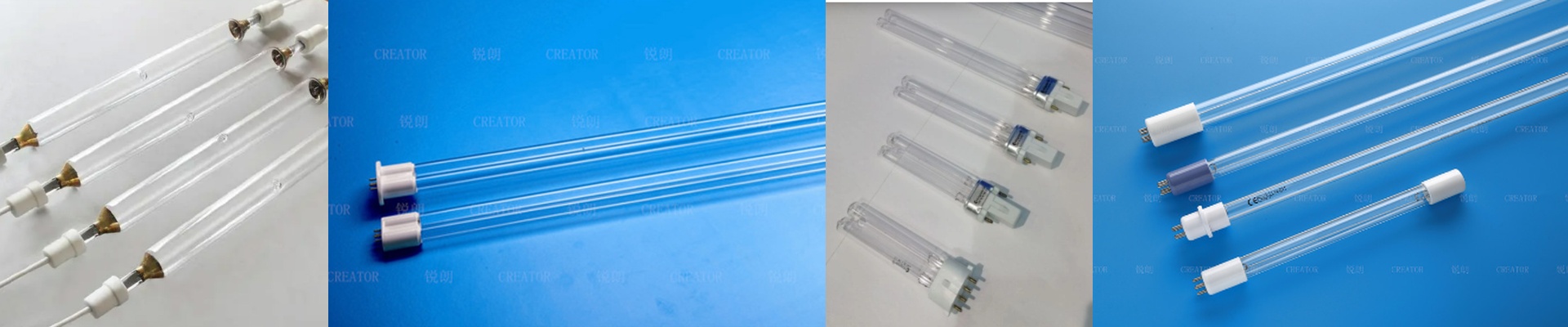
We use high-purity fused quartz for the envelope. Why? Because it lets the UV rays slide right through. If we used cheap glass, the UV would get blocked and the whole thing would probably melt under the heat. We also pay close attention to where the electrodes sit to keep the arc stable. Depending on your machine, we offer different end-cap setups. You want a tight electrical connection here. A loose fit at the socket can cause arcing, which is a quick way to kill your bulb—and potentially fry your power supply.
Keeping Things Running Smoothly
The good news is these are drop-in replacements. They fit right into most industrial UV systems without any fuss. But if you want them to actually last,keep the quartz sleeve clean. Dust and ink splatter are the enemies here. They create hot spots on the glass, and hot spots lead to cracks. It’s a simple fix: stick to a strict cleaning schedule. It keeps your light output consistent across the whole width of your cure, and it saves you from an unexpected shutdown.