The Real Deal on UV Curing in Textiles
Ever wonder how a piece of fabric goes from a raw roll to a finished garment without the ink smearing or the coating peeling off? It’s all thanks to UV lamps. Now, the science side calls it “photopolymerization,” but in plain English? We’re just using light to snap liquid chemicals into a solid state. It happens in seconds. It’s almost like magic, but it’s actually just really smart engineering.
Where it actually happens on the floor
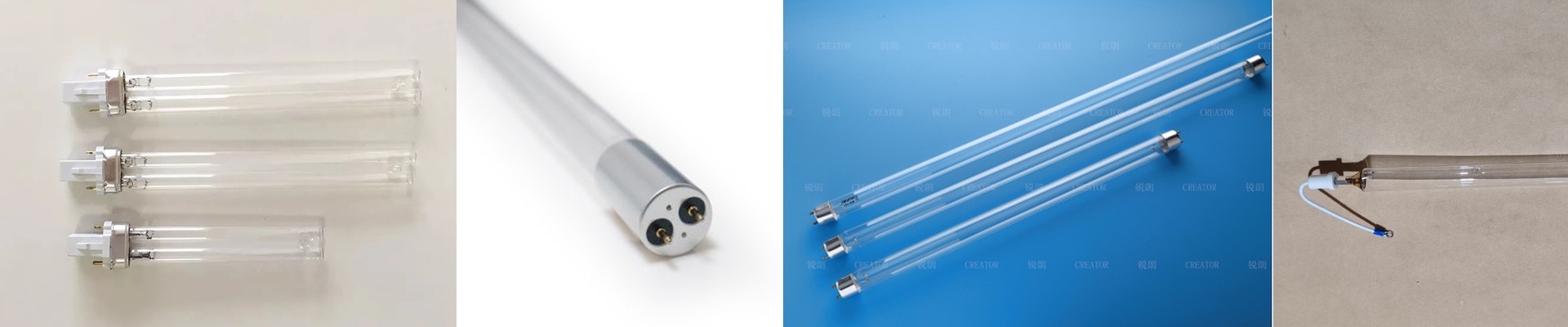
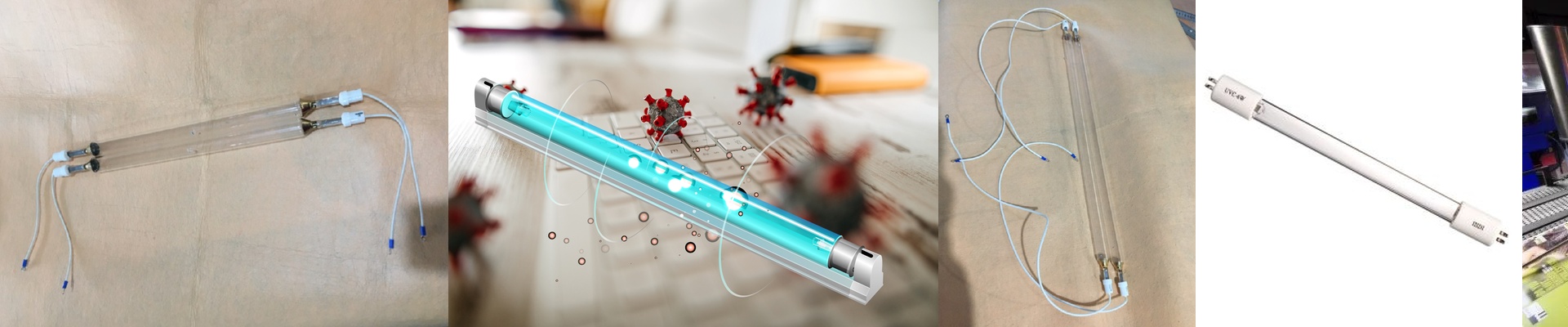
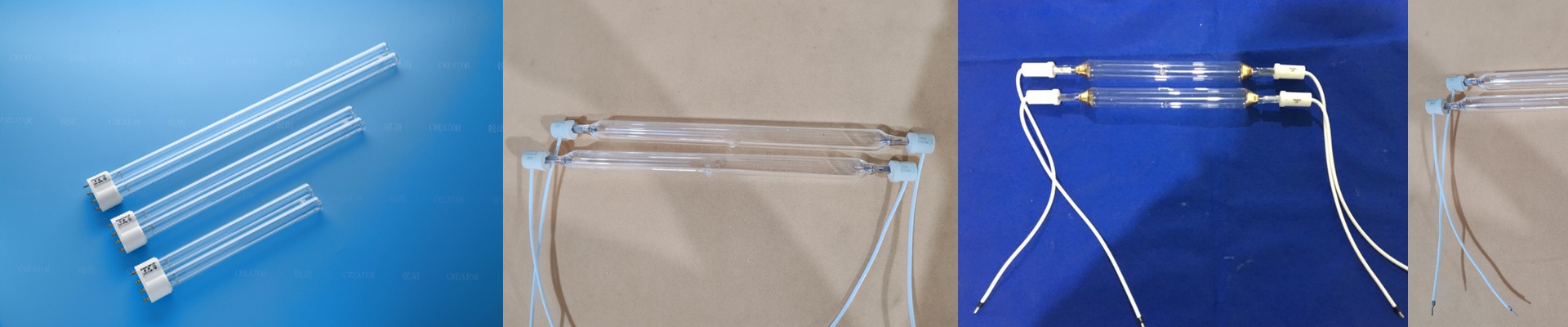
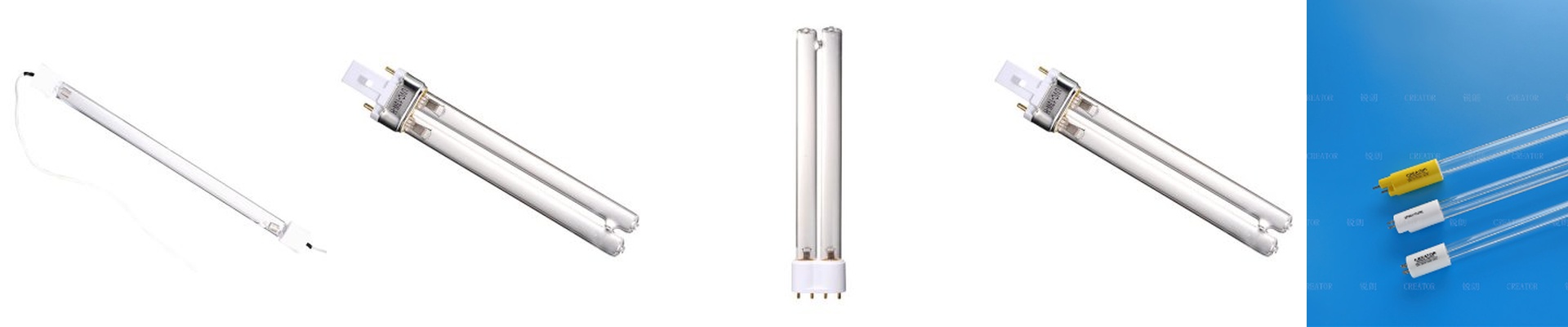
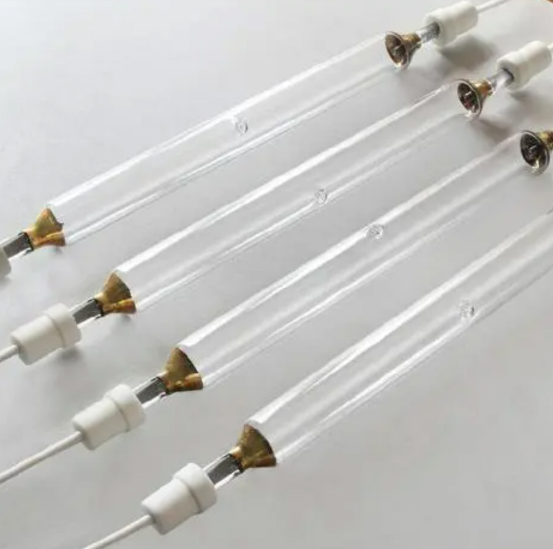
You’ll see these lamps popping up all over the production line. Take digital printing. The moment that ink hits the fabric, the UV lamps kick in and lock it down instantly. No bleeds. No smudges. Just clean lines. The trick here is the speed. If you’re cranking up the conveyor belt to hit a deadline, you can’t just hope for the best. You need more power—higher wattage or more lamps—to make sure everything is bone-dry before it hits the take-up roll. Then there are the functional coatings. You know, the stuff that makes a jacket water-repellent or a scrub anti-microbial. We used to rely on these massive thermal ovens that took up half the warehouse. **But here’s the thing:**you don’t need a 20-meter oven when a 2-meter UV tunnel does the exact same job. It saves a ton of space.
The balancing act: Power vs. Heat
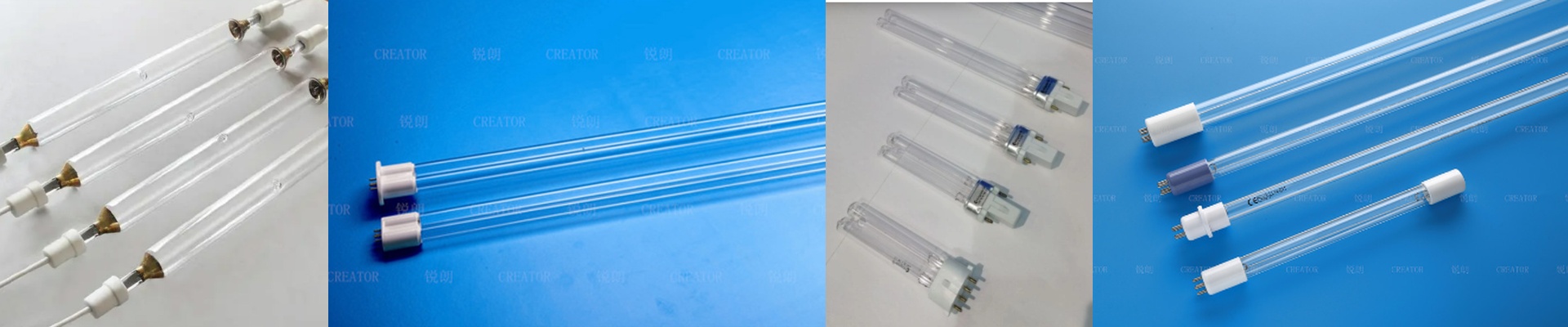
It’s not as simple as just turning the lamps on high. If you’re working with thick fabrics, you need a lot of punch (irradiance). But if you push too hard, you’ll start scorching your synthetics. Nobody wants a shipment of melted polyester or shrunken nylon. That’s why it’s a constant tug-of-war between the lamp wattage and your cooling fans. You have to find that sweet spot where the cure is perfect but the fabric stays cool. And let’s be honest about maintenance. These bulbs don’t last forever. They fade. The output drops. And if you aren’t paying attention, you’ll suddenly find “uncured” sticky patches on your garments. It’s a nightmare. The best way to handle it? Keep a stockpile of replacements on hand. We sell them in wholesale batches because the last thing you want is a dead bulb shutting down your entire line on a Tuesday afternoon.