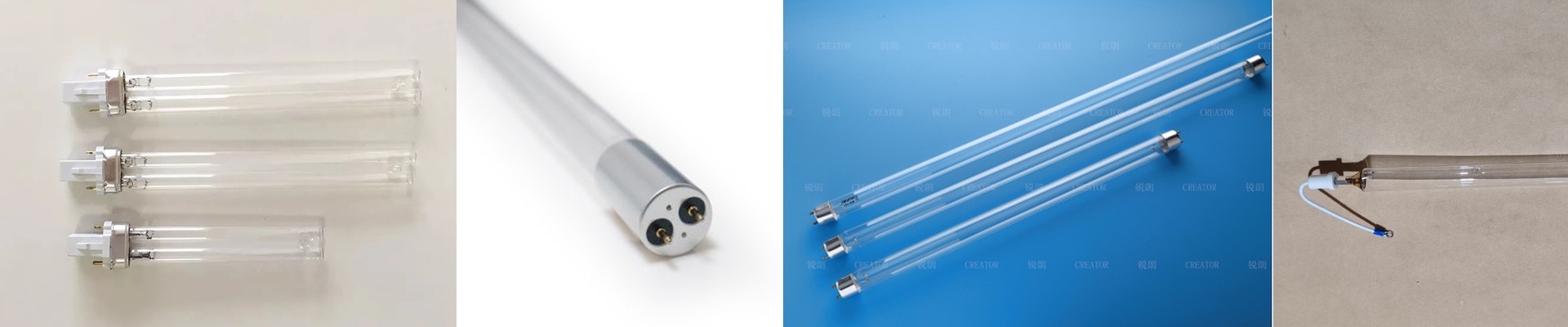
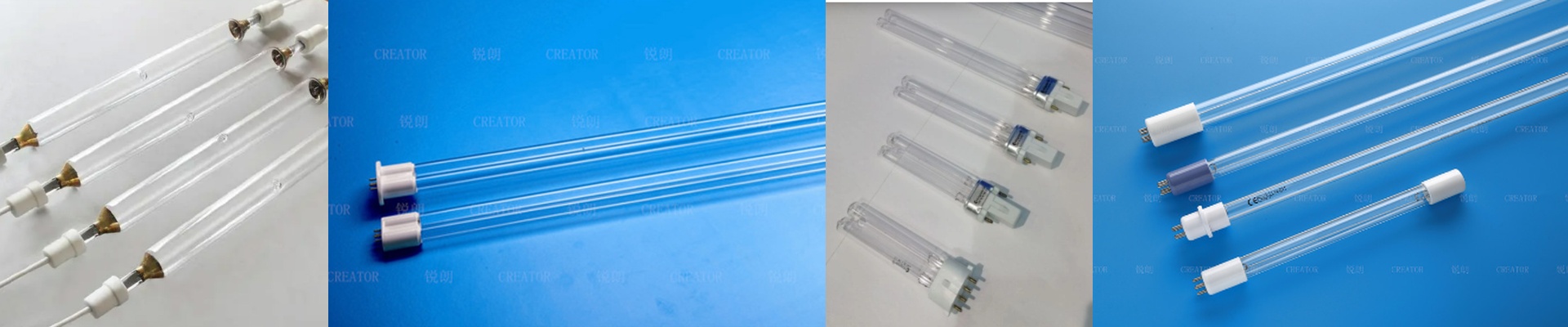
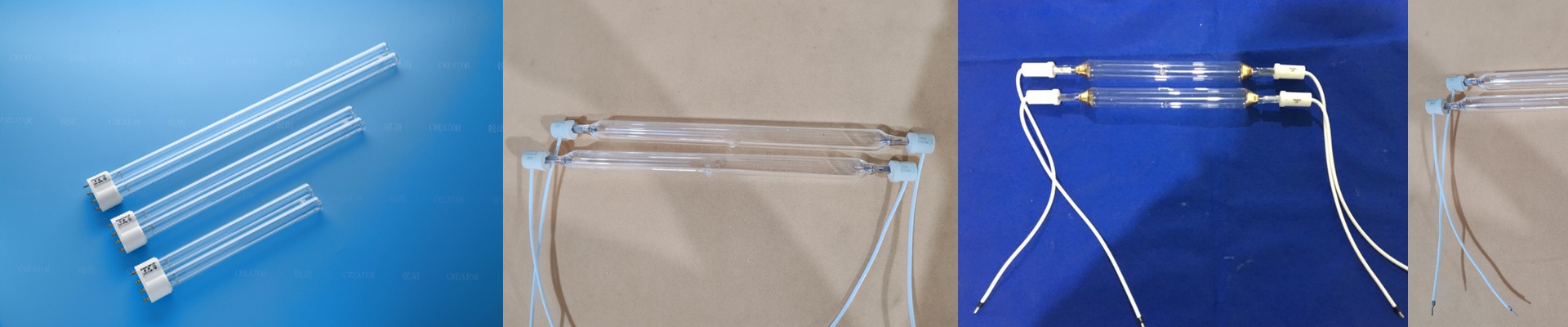
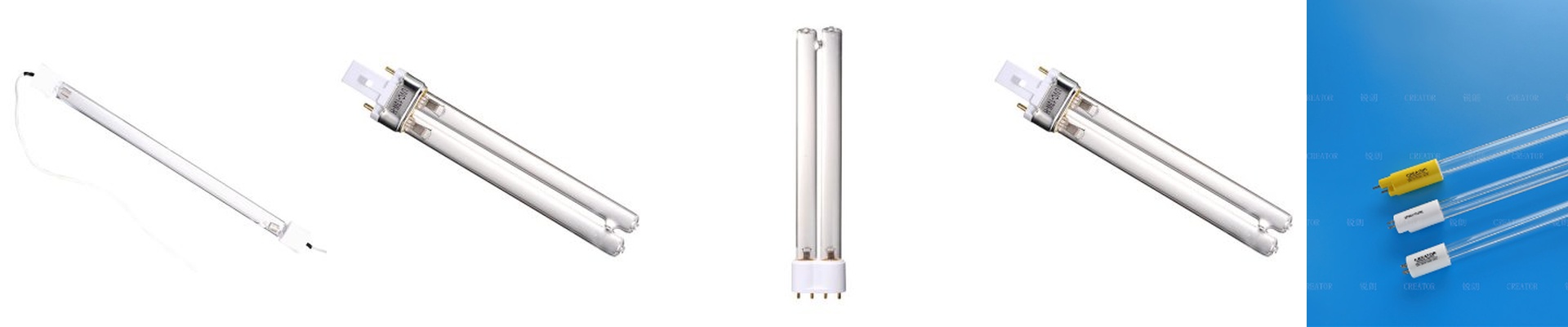
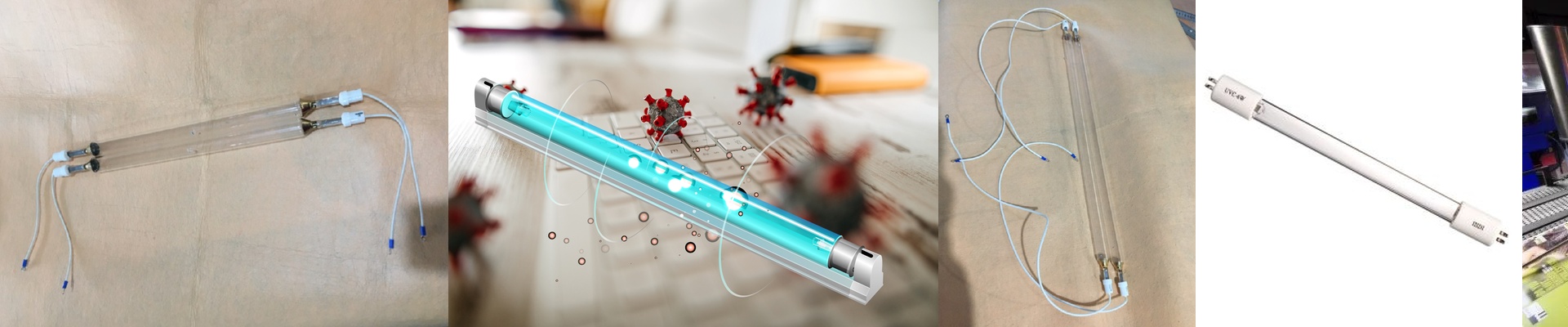
How UV Curing Actually Works (and Why It Matters)
Basically, UV lamps give your ink a sudden jolt of energy. In a split second, that liquid ink snaps into a solid film. It happens fast. Really fast. We build our lamps to keep up with those high-speed print lines, because the second your intensity dips, you’re looking at wet ink and a lot of wasted material.
Getting the Power Right
It all comes down to wattage and wavelength. If you’re running high volumes, you want lamps that lean heavily into UVC and UVB output. Why? Because you need the ink to cure all the way down to the base. There’s nothing worse than a surface that looks dry but is still gooey underneath. Now, high-wattage tubes give you the heat you need to keep the line moving. But here’s the thing: you have to balance that power with your conveyor speed. If the lamp is too hot for your material, you’ll end up warping your substrate.
The Gear and the Heat
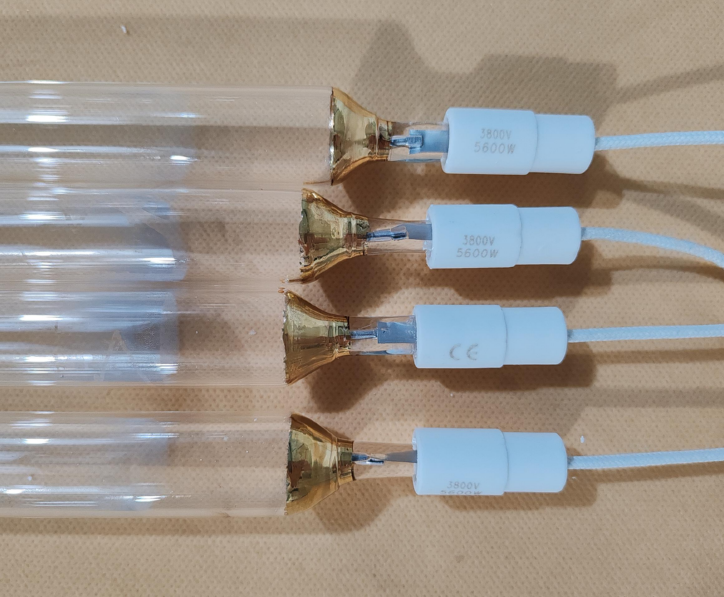
We use high-purity quartz glass for a simple reason: it doesn’t soak up the UV light. More light gets through, more ink cures. We also toughen up the electrodes to stop “sputtering,” which is just a fancy way of saying we keep the tube from turning dark and dying early. On the electrical side, you need a steady stream of power. If your voltage jumps around, the lamp flickers or just burns out. We always suggest dedicated ballasts to keep that arc stable. And remember, these things gethot. If your cooling fans or water jackets aren’t up to the task, your lamp life is going to plummet.
Setting It Up and Keeping It Running
We designed these lamps to be drop-in replacements. They fit right into standard industrial housings and match up with your existing reflectors without any fuss. But to keep things moving, you’ve got to keep those quartz sleeves clean. Seriously. A little bit of dust or a stray ink splatter blocks the UV light and creates hot spots. Those hot spots can crack the tube, and then your whole line stops. Just keep them clean. It’s the only way to make sure you’re getting the intensity you paid for.