Getting Your UV Curing and Sterilization Right
When you’re dealing with UV curing or sterilization, it all comes down to the wavelength. If the light doesn’t hit that exact sweet spot, your resins won’t harden or those microbes will just keep on living. That’s why we build our lamps to hit very specific targets. Whether you need a lightning-fast cure speed or a truly sterile environment, the light has to match your specific photoinitiator or the pathogen you’re trying to kill. Simple as that.
Balancing Power and Heat
We usually start by looking at how much intensity you actually need on the surface of your material. Sure, cranking up the wattage gives you more “punch” (photon flux), which makes those resins cross-link faster. But there’s a catch. More power means more heat. If you aren’t careful with your conveyor speed or your cooling fans, you’re going to end up with warped parts or, worse, burnt substrates. To stop that from happening, we spend a lot of time tweaking the gas fill and the electrode geometry. It keeps the output steady from one end of the tube to the other.
The Hardware That Actually Lasts
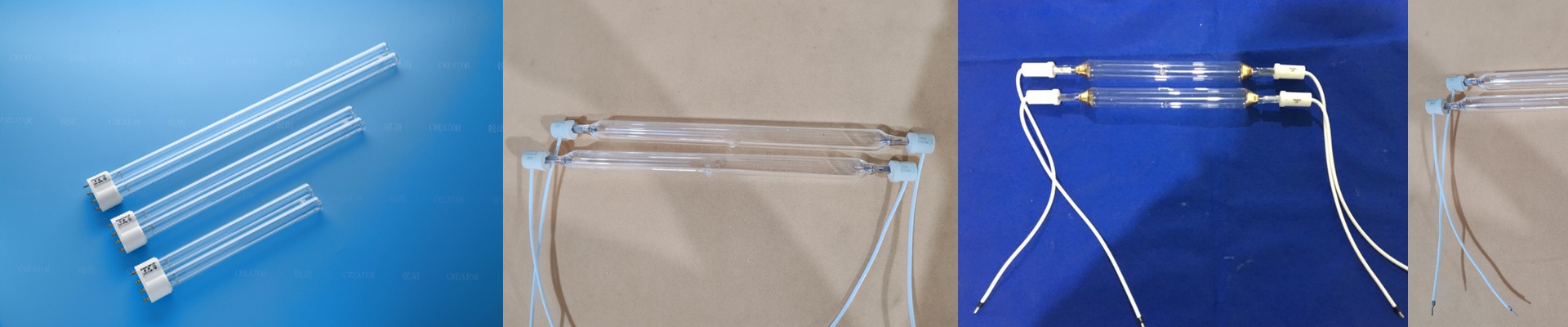
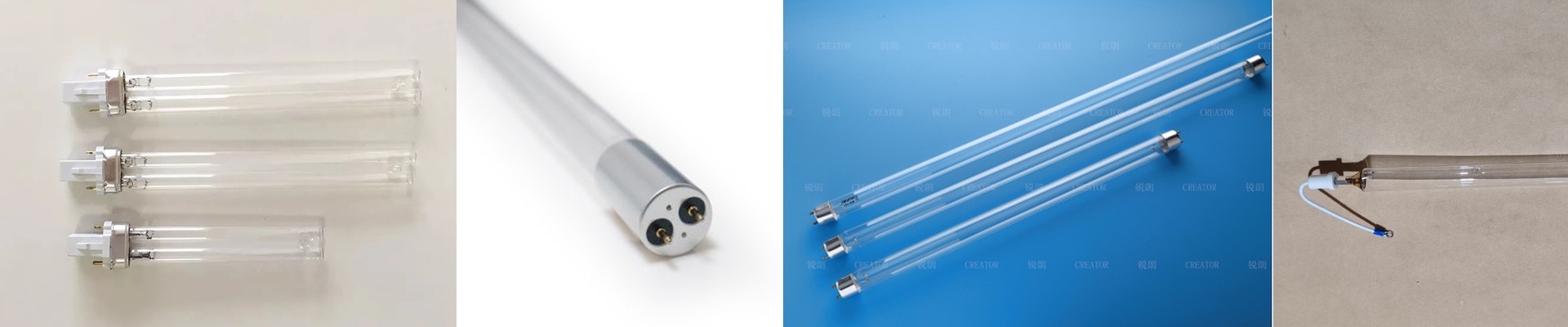
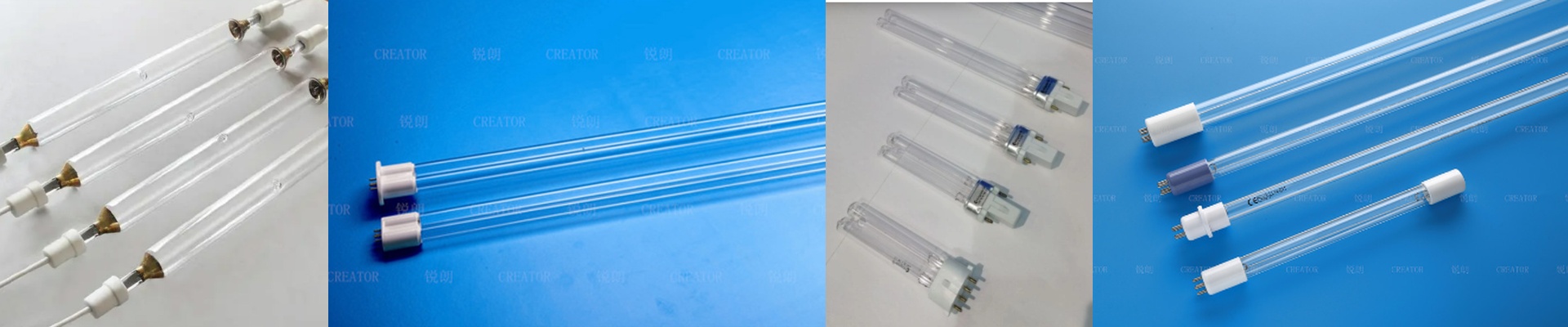
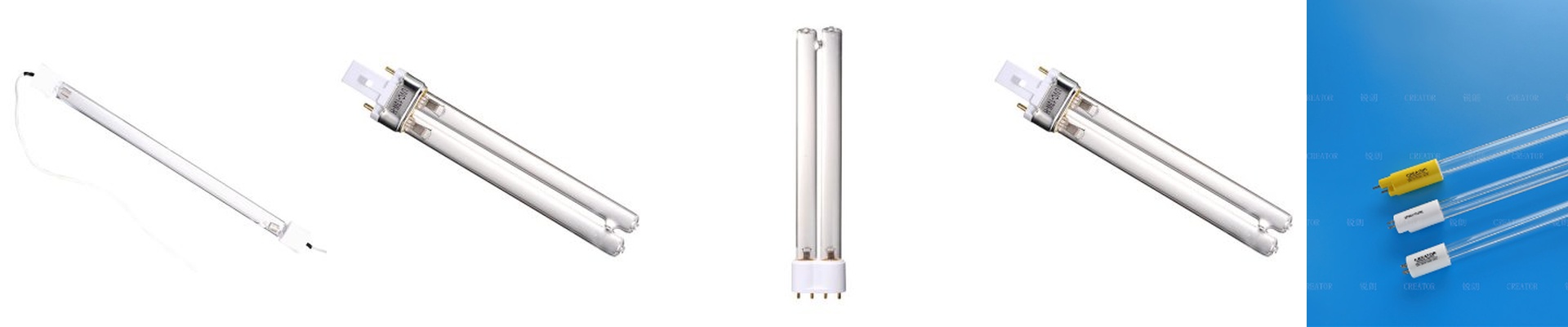
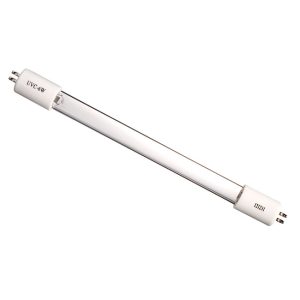
We use high-purity fused quartz for the envelopes. Why? Because it lets UV-C and UV-B rays fly right through without the glass soaking up the energy. If you’re working in a really weird or high-stress environment, we can use doped quartz to shift the spectrum to where you need it. And we don’t mess around with the connectors. They’re built for a tight, secure fit using industry-standard pins. This means you can just plug them into your existing ballasts without having to rebuild your whole setup. A loose connection is a nightmare—it leads to arcing and kills your lamp way too early.
The Trade-off: Speed vs. Lifespan
Our lamps are designed to be drop-in replacements. We match the focal length and intensity of the big-name brands, so they just work. But here’s the honest truth: if you push a lamp to its absolute limit to get the fastest cure time possible, it’s going to burn out faster. You’re basically trading lamp life for production speed. We’ll give you all the data sheets, but it’s up to you to decide where you want to sit on that scale—faster throughput or fewer maintenance stops.