Getting Your UV Output Right: No Fluff, Just Power
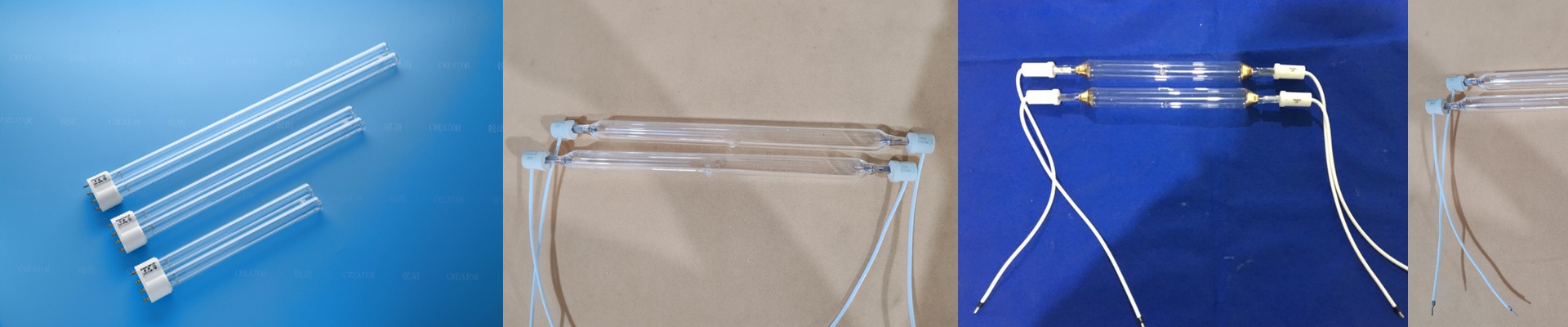
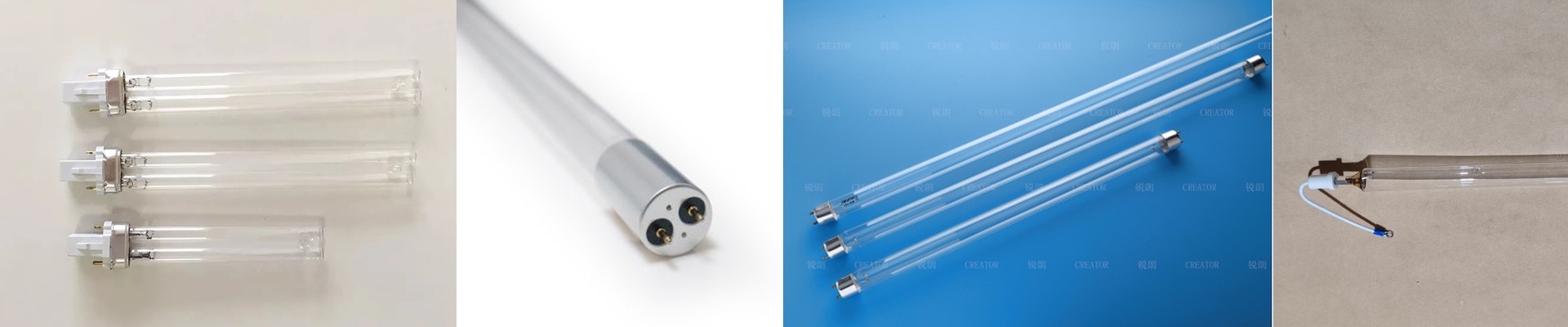
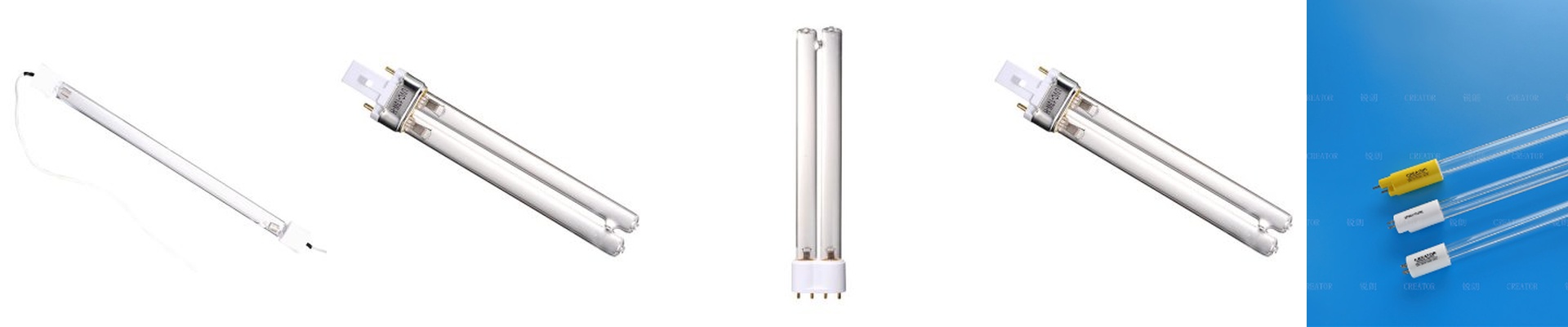
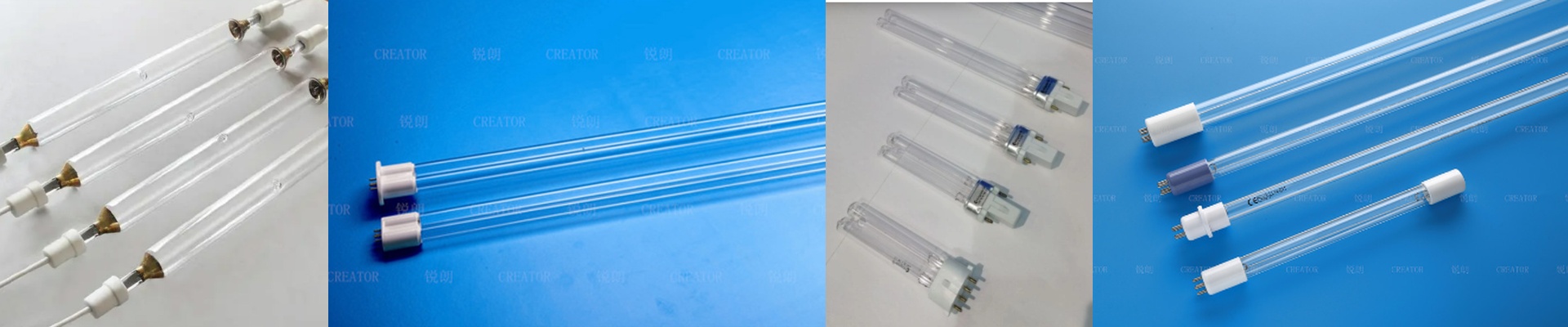
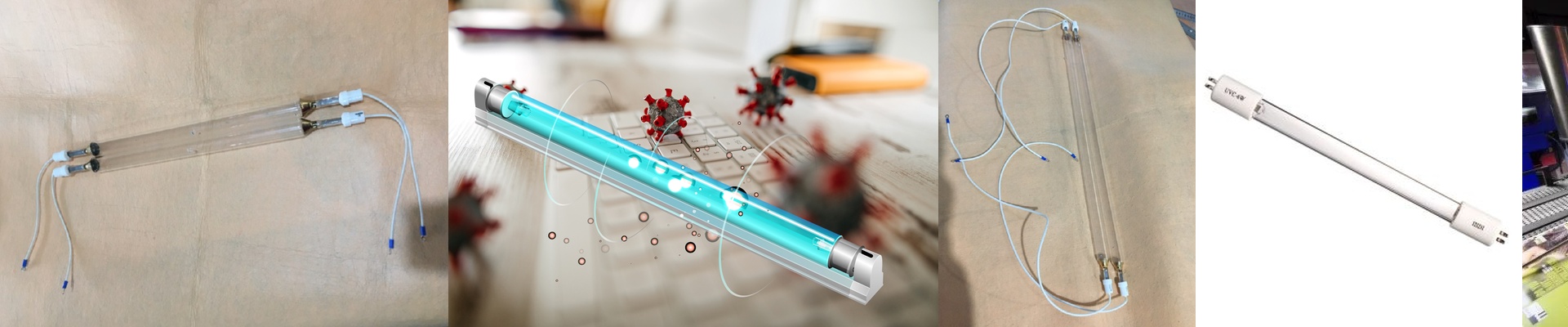
When you’re setting up a sterilization or curing line, you don’t need a sales pitch. You need numbers. Specifically, you need to know exactly how many microwatts per square centimeter are hitting your target so you can actually kill those microbes or get your polymers to cross-link. That’s where we come in. We focus on the raw output and how efficiently that energy actually converts. The battle against heat Here’s the thing about UV efficiency: it’s all about the ratio of electricity going in to the UVC photons coming out. A lot of cheap lamps are basically heaters that happen to emit a little UV. They dump way too much energy into infrared heat, which is a double whammy—you’re wasting power and you risk warping your materials. We fix this by tightening the tolerances on the electrode geometry and the gas mix. We make sure the energy stays locked into that 254nm wavelength where it actually does the work. The hardware that actually lasts We use high-purity fused quartz for the envelopes. Why? Because standard glass absorbs UV light before it even leaves the lamp. You want that light hitting your product, not getting trapped in the tube. Plus, we make these in a few different shapes so they can slide right into your existing rigs without a headache. But the real killer is usually the connection points. We’ve all seen those systems that arc or burn out the second they hit high-voltage startup. It’s a nightmare. To stop that, we use reinforced terminals. And a quick tip: if you’re running a continuous loop, your ballast has to match the lamp’s impedance perfectly. If they’re off, your lamp life plummets or the electrodes just give up. The reality of high intensity Now, there’s always a trade-off. Pushing more photons through a tube creates heat. Period. You can’t just throw a high-density UV array into a corner and hope for the best. You need a cooling system that can actually keep up. If your airflow gets blocked or your chillers are underpowered, the lamp temperature spikes. When that happens, your spectral output shifts and your sterilization rate drops. It’s frustrating, but it’s physics. As long as your plant’s power is stable and your cooling is dialed in, our lamps hit the same benchmarks as the big-name brands—without the corporate markup.