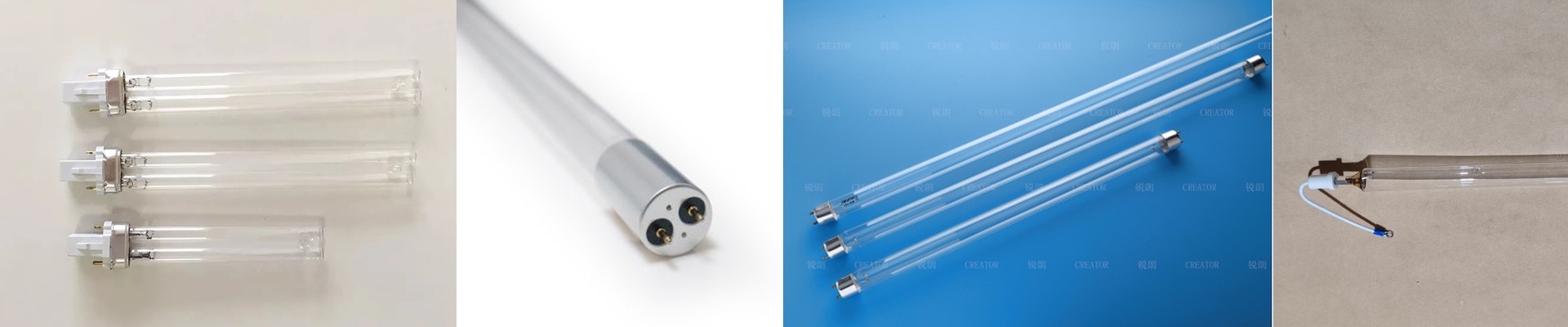
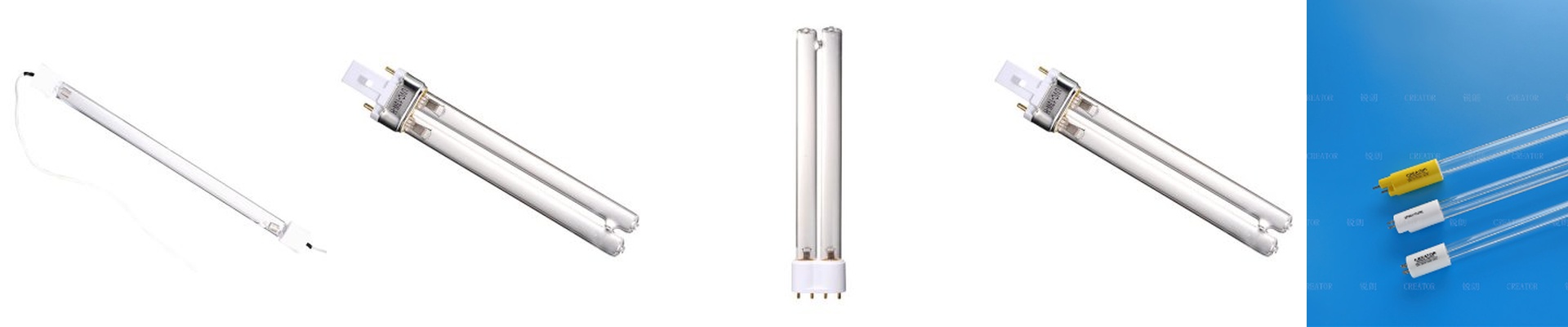
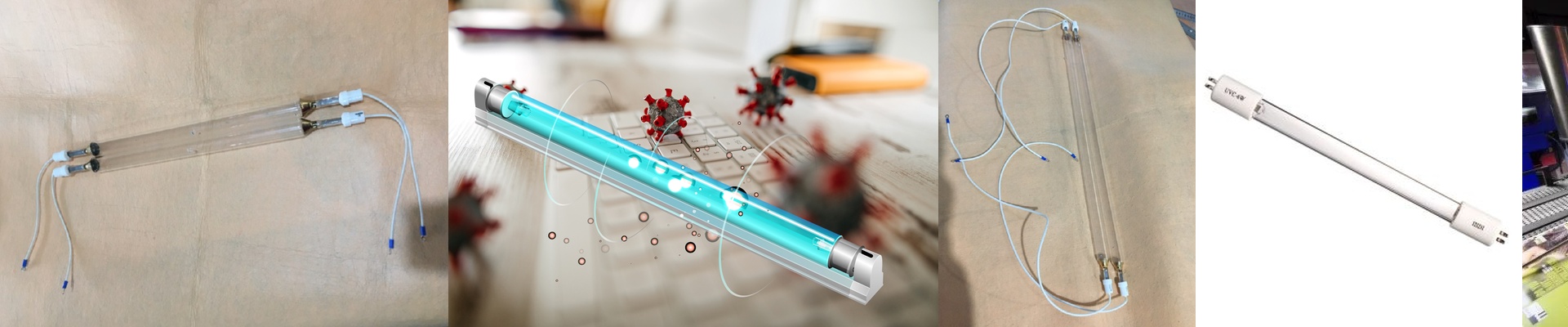
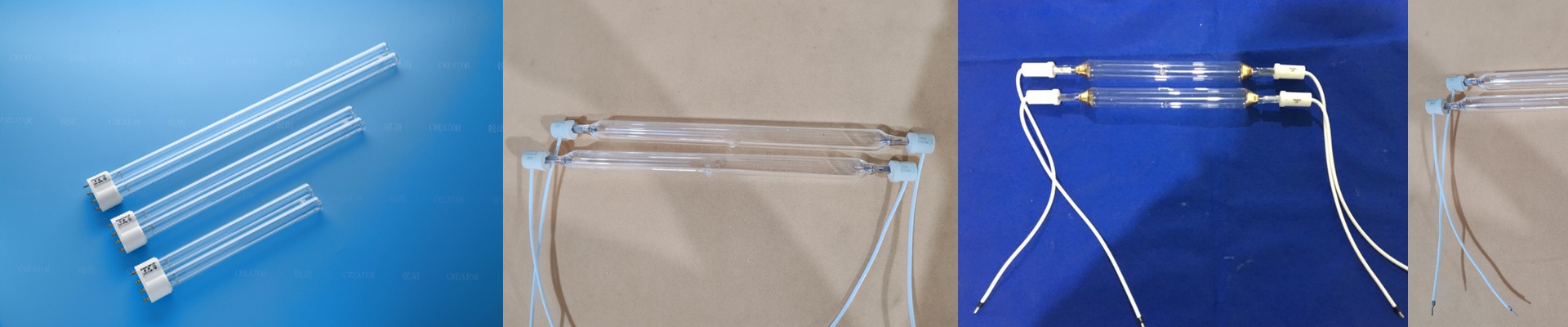
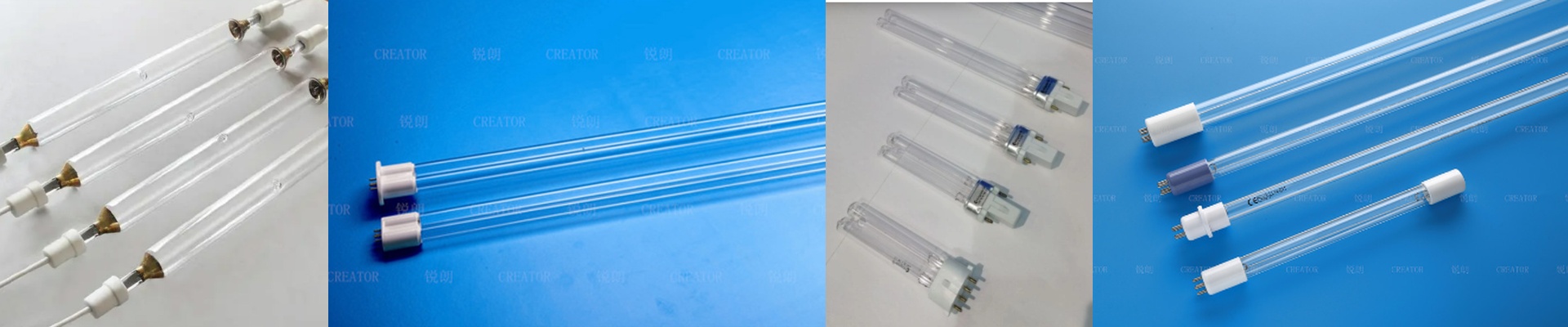
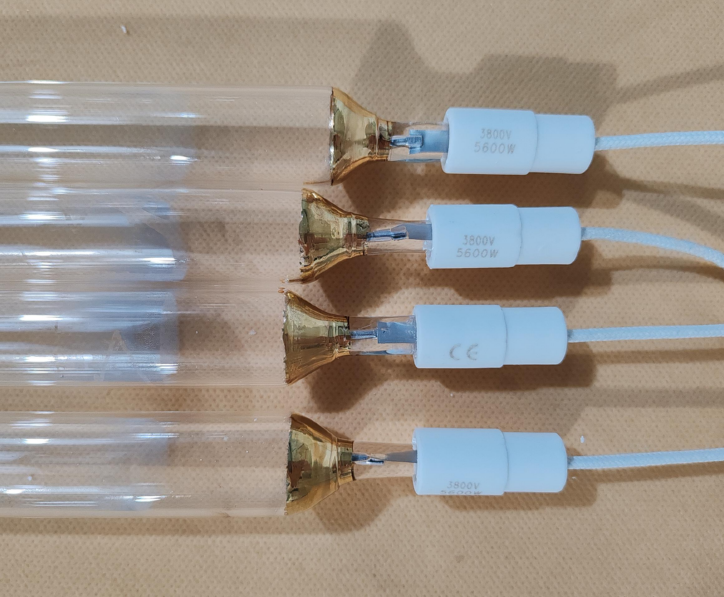
Why Gallium Iodide is the Secret to Better UV Printing
Ever had a print job where the top looks great, but as soon as you touch it, the ink slides right off? That’s the “skinning” effect. It happens because standard mercury lamps just can’t punch through thick layers of ink. They hit the surface and stop. That’s where gallium iodide comes in. Instead of the usual short-wave light, these lamps push out longer waves. Think of it as a deeper reach. If you’re working with heavy pigments or thick screen prints, this is what you need. It doesn’t just dry the surface; it cures the ink from the bottom up, so it actually sticks to the substrate.
No “Off-the-Shelf” Nonsense
Here’s the thing: most UV systems are built for giant factories, not real-world print shops. I’ve seen too many shops drop a fortune on a massive system that barely fits in their room and wastes half its power. We do things differently. We don’t just sell you a bulb; we look at your conveyor speed and how thick your ink is. Then we build the lamp to match. Whether you need a custom length or a specific wattage, we make it fit your footprint. We also obsess over the electrode tolerances. Why? Because nobody wants a lamp that burns out three months early.
The Catch (And How to Handle It)
Now, there is a trade-off. These lamps put out a lot of heat. A lot. You can’t just plug them in and forget about them. If your cooling fans are weak or your water chiller is underpowered, you’re going to have a bad time. You’ll either warp your materials or crack the quartz envelope through thermal shock. The trick is balancing the power curve with your line speed. Get that right, and you’re golden. Get it wrong, and you’re either under-curing your ink or melting your PET and textiles. It’s a balancing act, but once you dial it in, the quality is night and day.