Keeping Gallium Iodide UV Lamps Steady When Things Get Messy
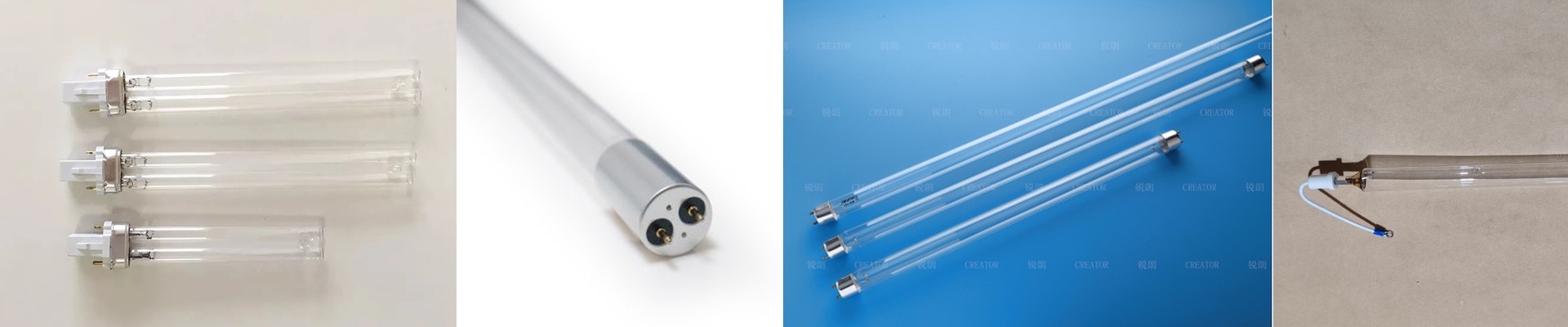
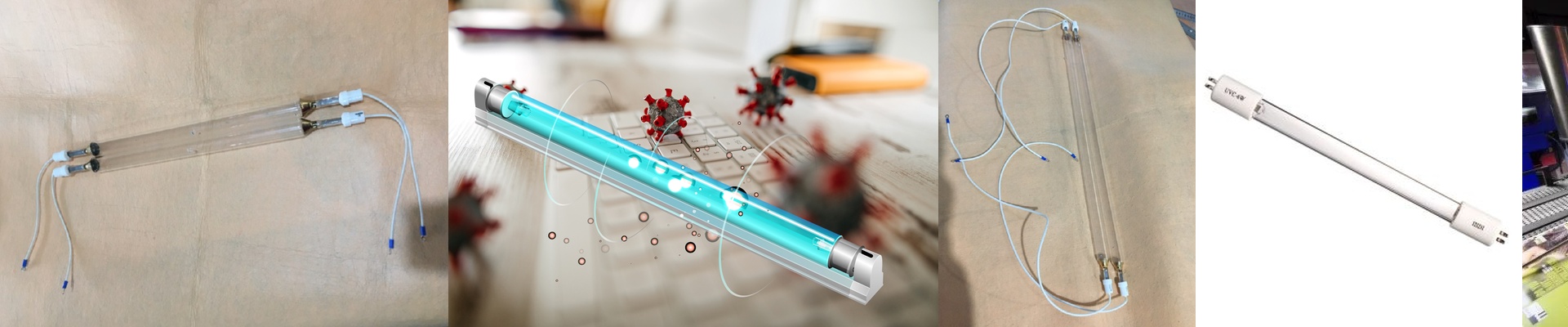
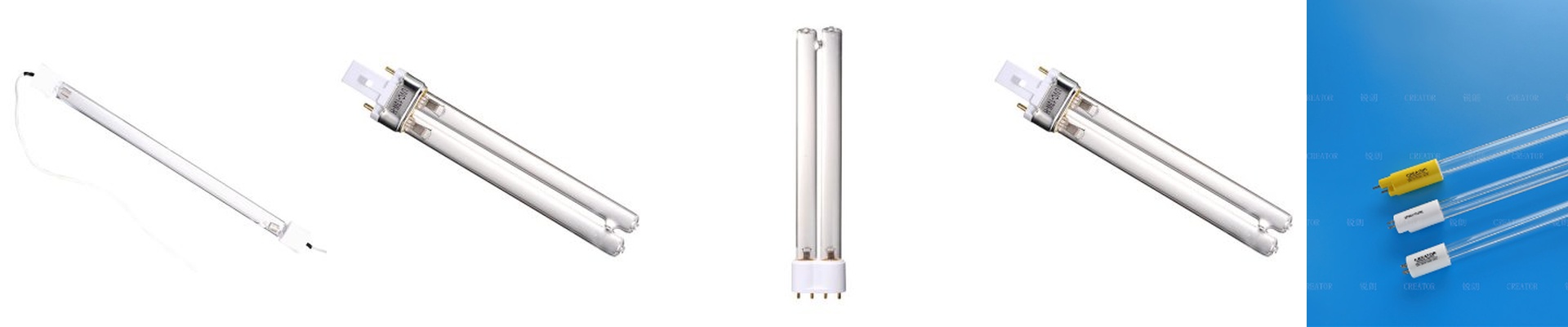
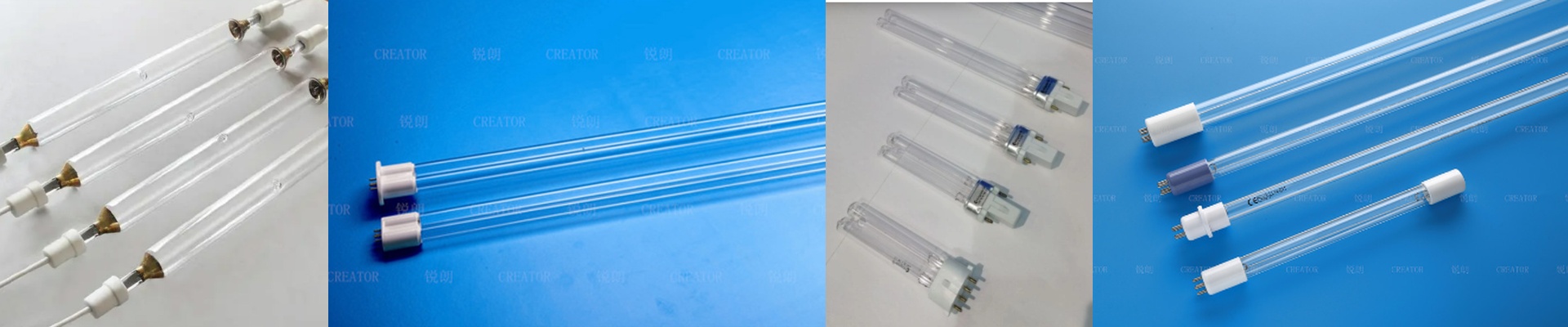
Gallium iodide lamps are great for those deep-cure jobs where you need a very specific kind of light. If you’re just running one unit in a quiet room, everything is a breeze. But the real world isn’t a quiet room. Imagine ten massive printing presses all humming away in one shop. All those motors and drives create a ton of electrical noise. It’s chaotic. For a standard UV lamp, that noise is a nightmare—it leads to flickering, or worse, just killing the lamp entirely. Dealing with the noise We built our lamps to survive that kind of environment. Most UV lamps give up or start oscillating because their guts just can’t filter out the power spikes coming from the factory grid. We fixed that. We used reinforced shielding and dialed in the ballast matching to keep the arc steady. Here is why that actually matters: when the press next to you kicks into high gear, your lamp doesn’t blink. It doesn’t dip. You get a steady dose of UV across the whole piece. Because if that output wobbles, you end up with uneven curing and a pile of wasted material in the scrap bin. The trade-off Now, this kind of stability isn’t magic. It takes physical hardware. To block out all that interference, the assemblies are a bit heavier and the housing is much more rigid. Just a heads-up: don’t try to slap these into a flimsy, lightweight fixture without double-checking your mount points first. They’ve got some heft to them. Getting them on your line These are designed to be drop-in replacements for your high-output lines. You wire them into your existing power supply and you’re good to go. You’ll notice the difference in the flicker rate almost immediately. In a loud shop, a stable lamp means you aren’t stopping mid-run every twenty minutes to check if the cure is actually holding. Your line just keeps moving. One last thing—make sure your cooling fans can handle the heat. These lamps run hot to hit that spectral peak, so give them plenty of air.