Dealing with Electrical Noise in Big UV Curing Setups
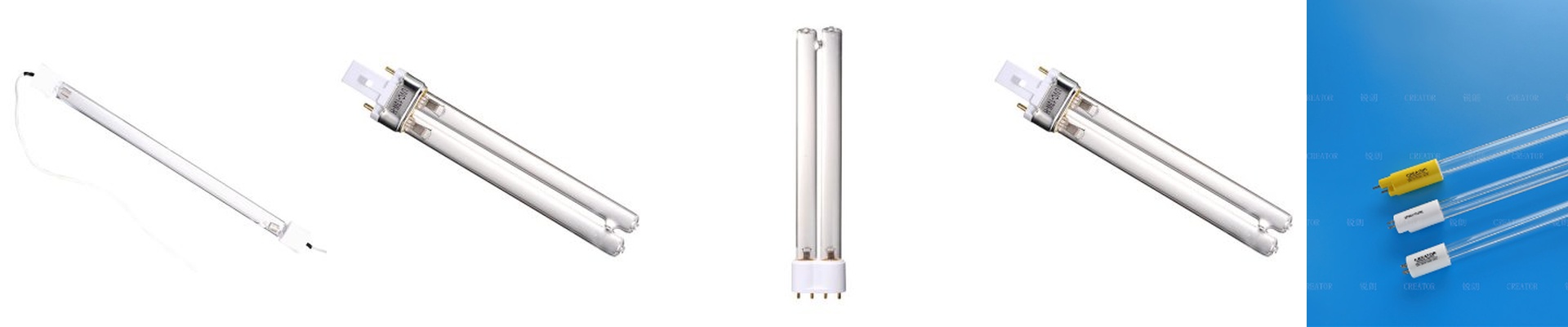
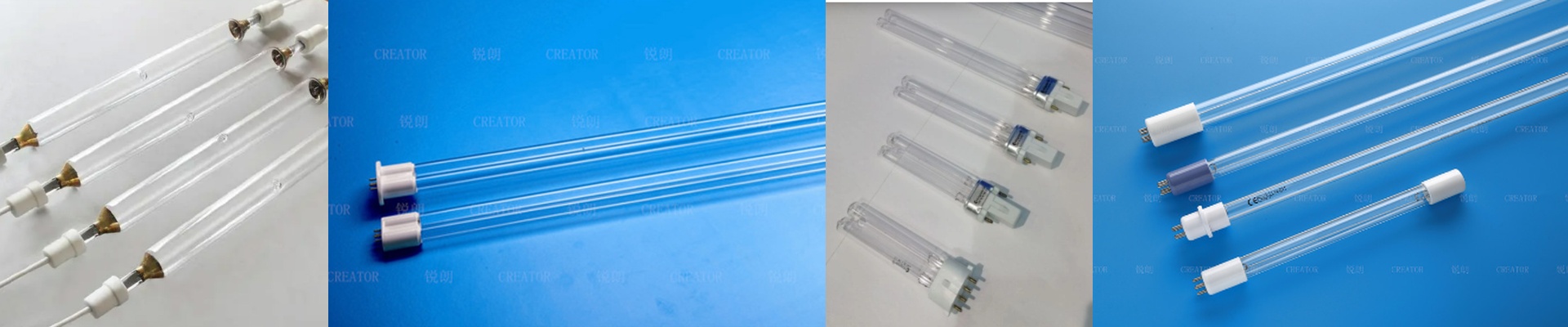
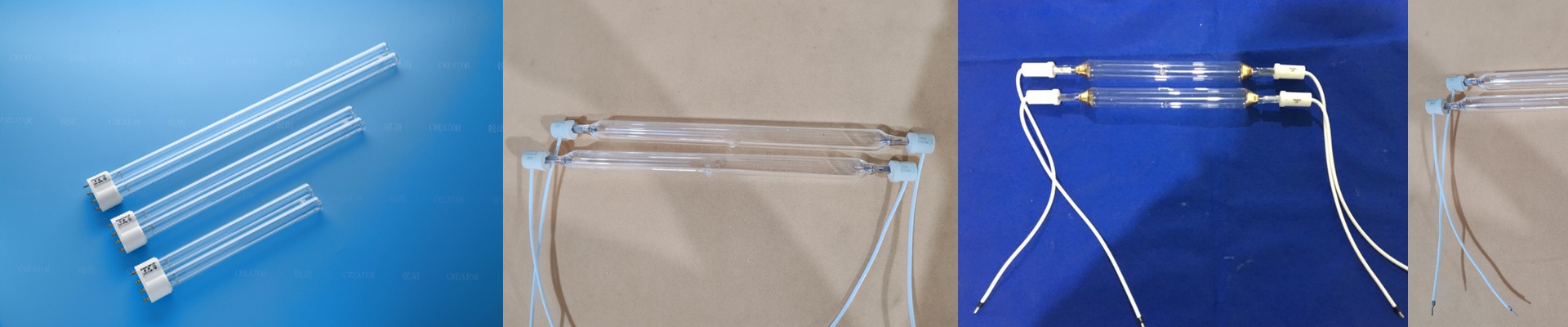
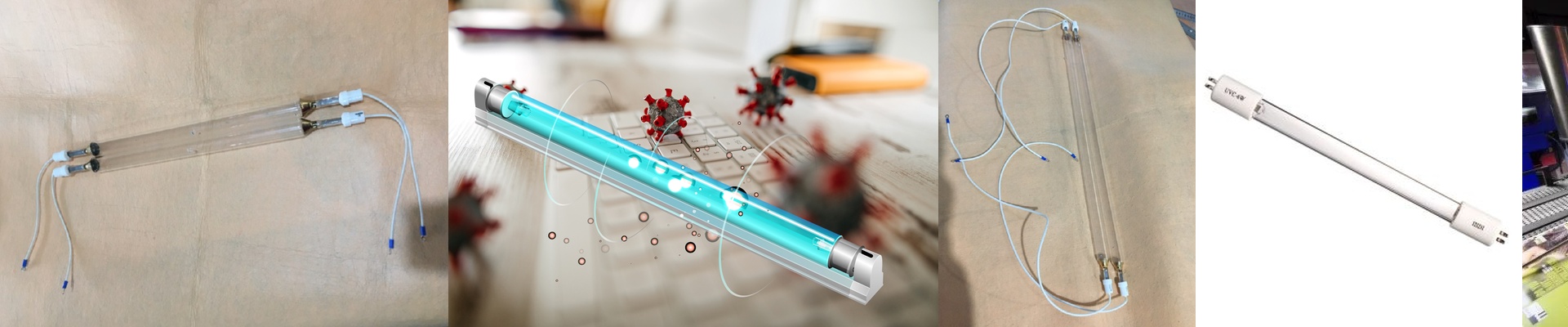
If you’ve ever run a shop with several presses humming away side-by-side, you know it’s a total electrical jungle. When you fire up a bunch of high-power mercury UV lamps at once, things can get messy. You start seeing flicker, your curing speeds go all over the place, or—worst case—the whole system just trips. It’s a headache. That’s exactly why we built our long-life mercury UV tubes. We wanted something that could actually survive the chaos of a real shop floor. Why the interference happens Stability isn’t just about the glass. It’s really about how the lamp plays with the ballast and all the electrical “noise” floating around. In a big facility full of heavy motors and high-voltage gear, that noise leaks into your circuitry. We tweaked the electrode geometry and the gas mix to keep the arc discharge steady. Basically, it stops the lamp from jumping every time a neighboring machine causes a voltage spike or a dip. Whether you have one press running or ten, the UV output stays rock solid. The trade-off: Life vs. Power Here’s the thing about long-life tubes: you have to balance a few things. To make these last longer, we manage the internal pressure and mercury vapor so the electrodes don’t wear down as fast. It works great, but it means your power supply has to be spot on. If your ballast is under-spec’d, you’re going to have a hard time getting the lamp to ignite. It needs that exact starting voltage to kick in. How it actually works in the shop These are drop-in replacements. You can slide them right into your offset or flexographic presses without a fuss. The real win here is that the curing intensity doesn’t “drift.” When you’re running at full tilt, any little dip in UV output means uncured ink and a mountain of wasted material. By shielding the lamp’s performance from the electrical noise around it, the cure rate stays the same across the entire web. It just works. No guessing, no wasted substrate, no stress.