Why Most UV Lamps Fail (And How We Fixed Them)
We spent some time visiting 3,000 different printing plants. Why? Because we wanted to see why “standard” UV lamps keep dying in the real world. Turns out, most lamps are built for a clean lab, not a high-speed press. They aren’t built for the constant shaking or the brutal heat of a production floor. So, we stopped guessing and started building around three things: the light, the heat, and the size.
The Balancing Act of Curing
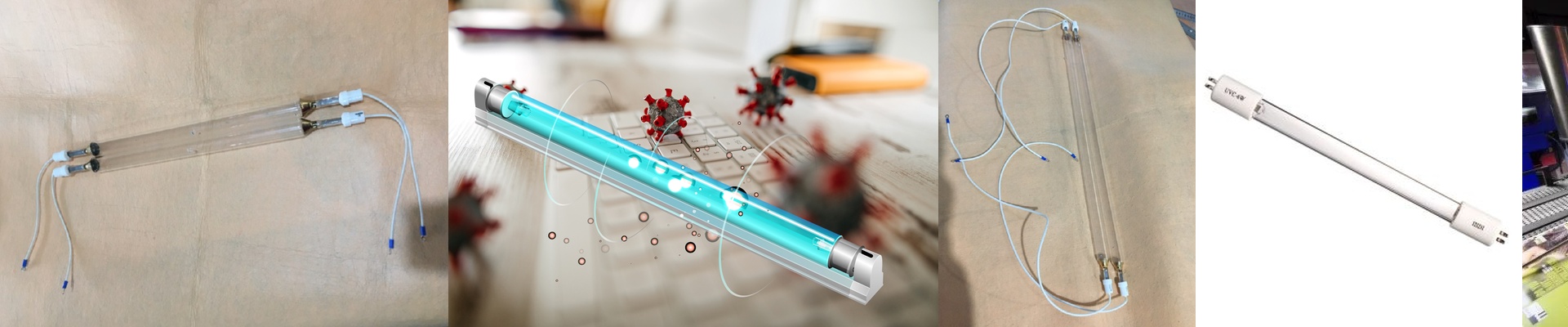
Here’s the thing about curing ink: you need the right wavelength to make it happen. We dialed ours in between 365nm and 395nm. Now, it’s tempting to just crank up the wattage to get things done faster. But there’s a catch. More power means more heat. If your cooling can’t keep up, you’ll start seeing bubbles in the ink or, worse, your material starts warping. It’s a tightrope walk. We found a sweet spot where the ink cures completely, but your product doesn’t get scorched.
No More “Proprietary” Headaches
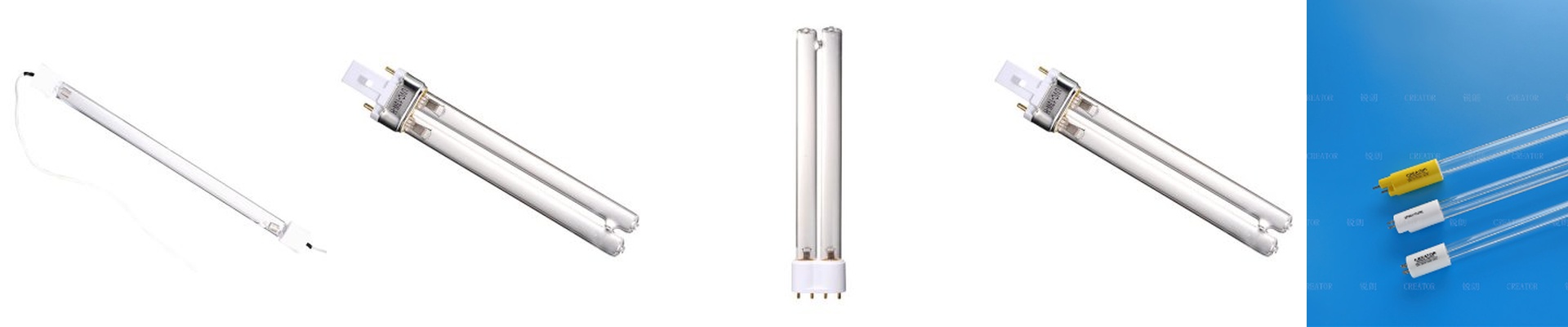
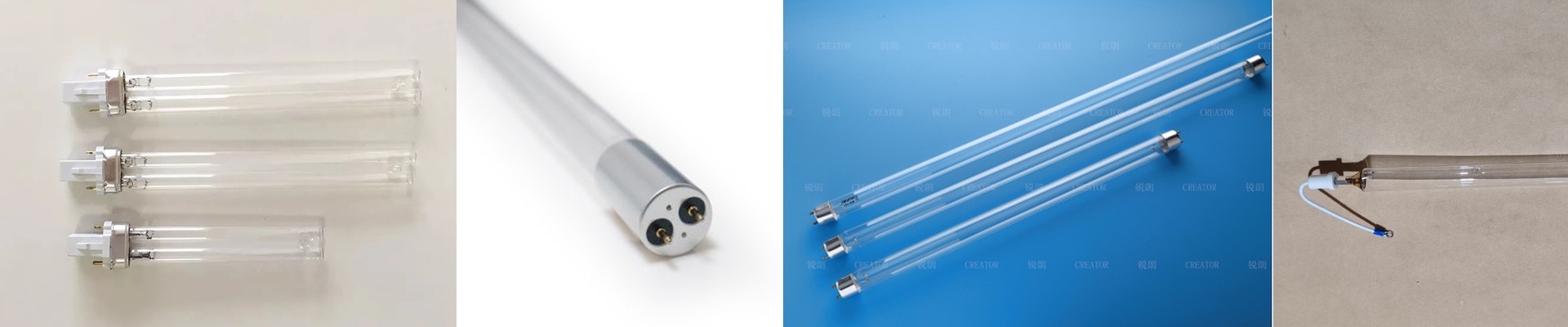
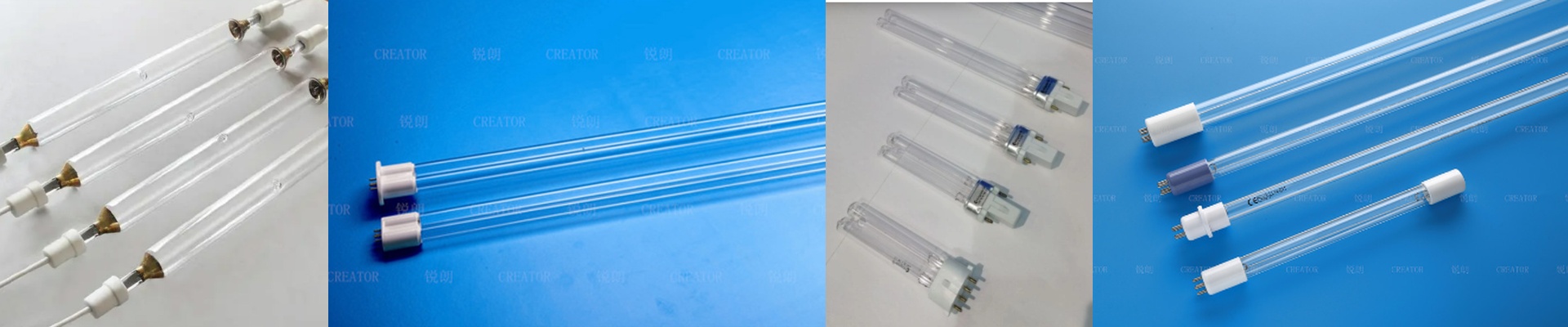
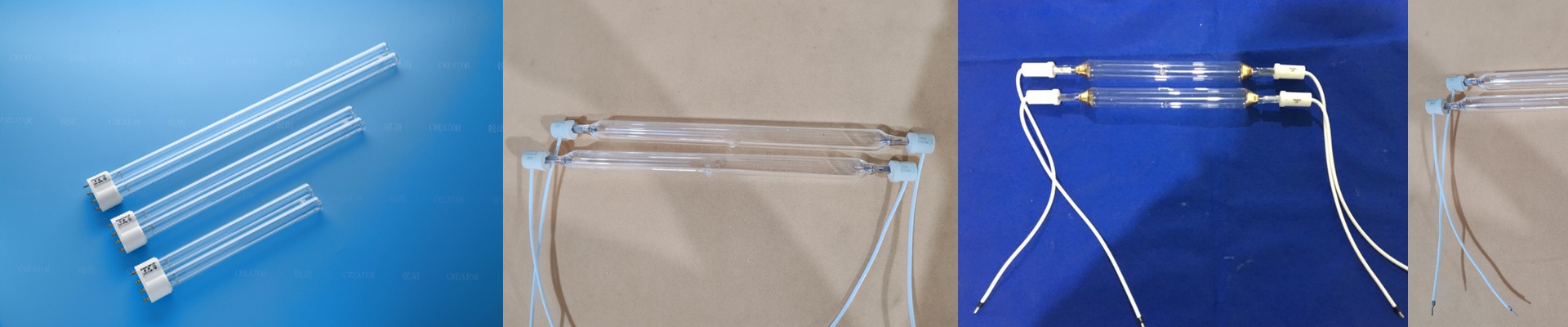
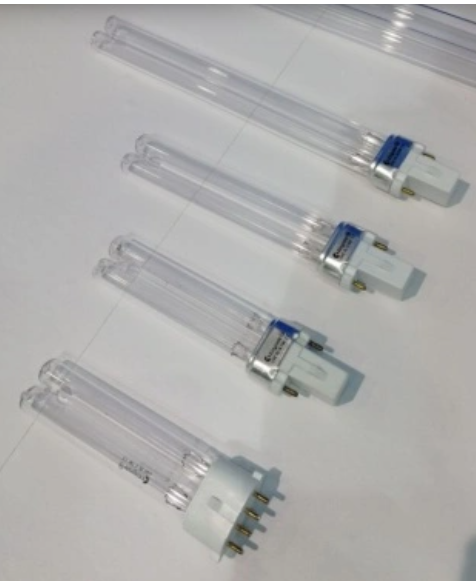
We use high-purity fused quartz for the glass. It sounds fancy, but it just means the lamp won’t get cloudy after a few hundred hours. And we did something else. We used standard industrial pins for the connectors. Why? Because nobody wants to rewire an entire rack just because one bulb burned out. We’ve seen too many shops struggle with weird, proprietary plugs that don’t fit right, lead to sparks, or just plain fail. With our lamps, you just pop the old one out and drop the new one in. Simple.
Built for the Noise
A lamp can look great on a workbench and still be total junk on the shop floor. Industrial presses vibrate. A lot. We reinforced our housing and tweaked the electrodes so the lamps don’t quit early. The result is a steady, consistent glow across the whole tube. No “cold spots.” No guessing if the middle of the sheet actually cured. If you’re running 24/7, you need a lamp that stays strong and doesn’t drift. It just works.