Getting Your UV Curing Right: The Secret is in the Spectrum
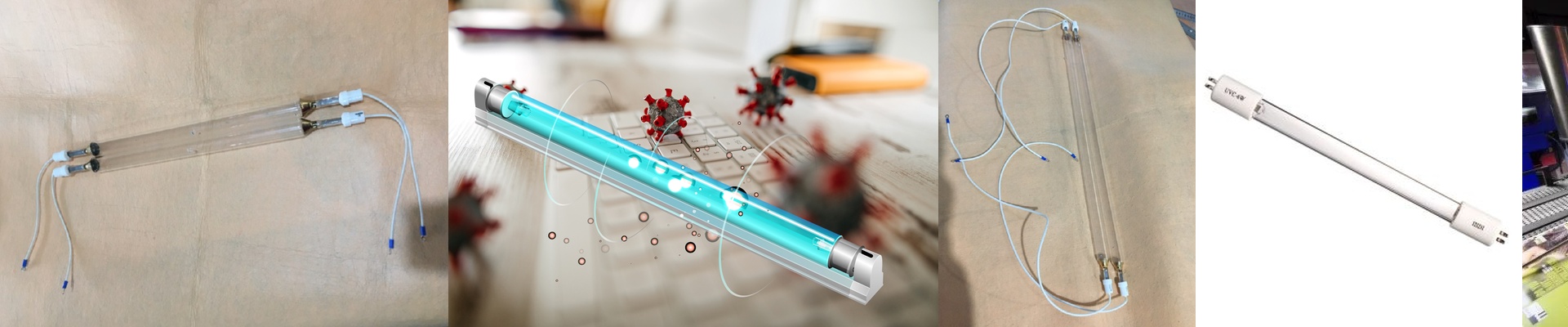
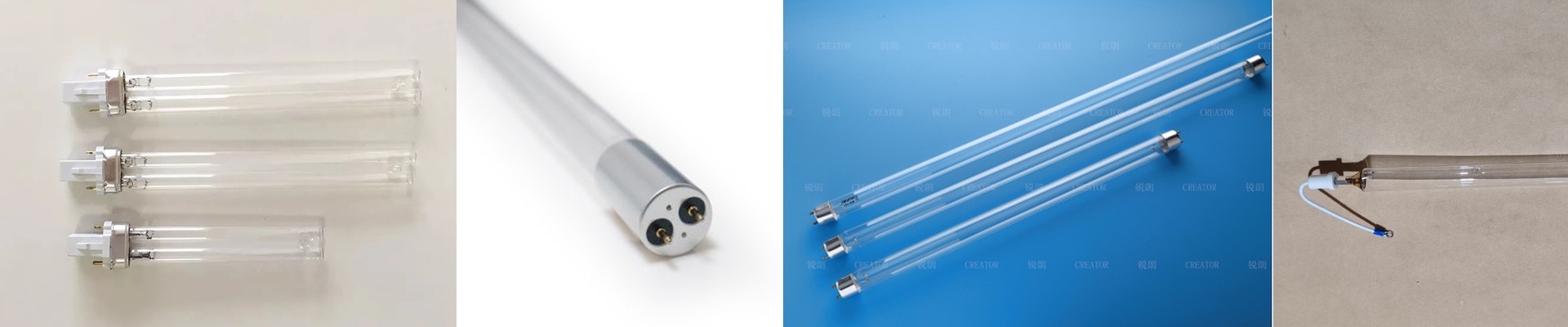
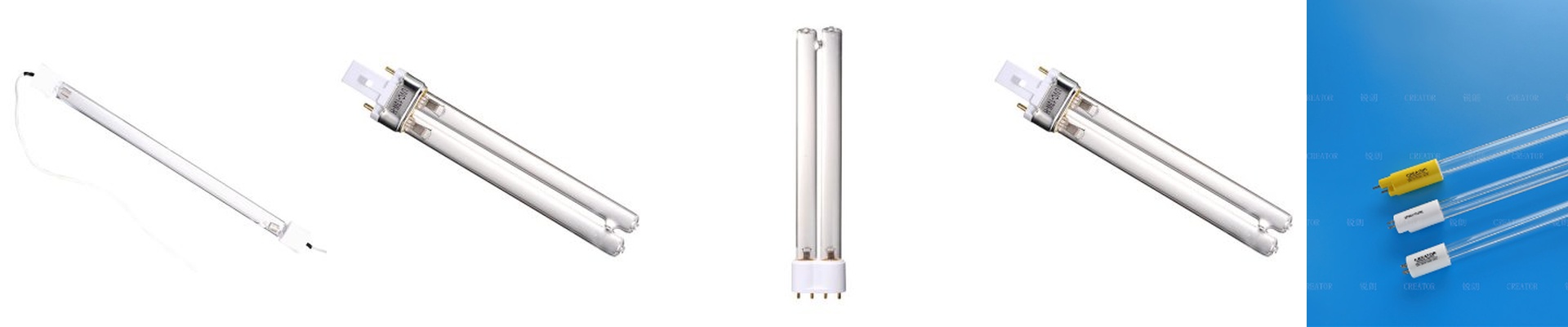
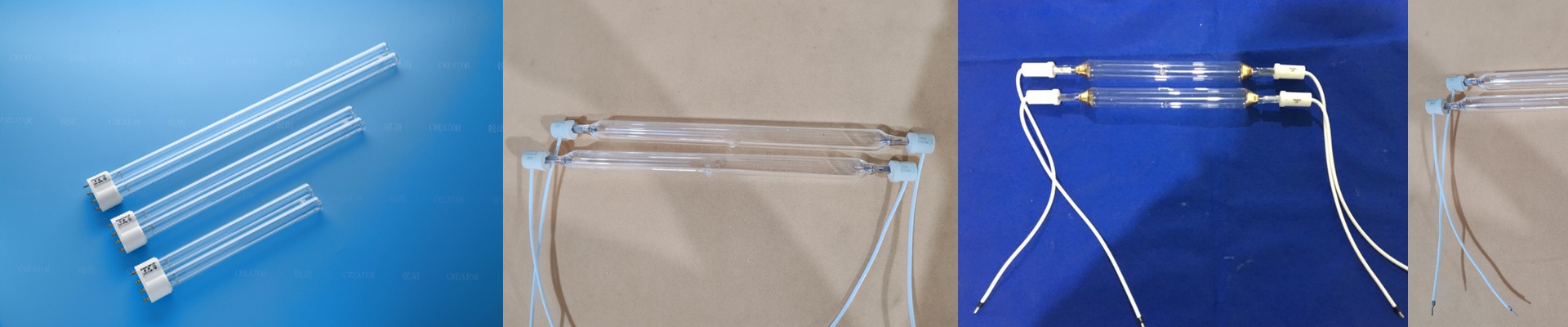
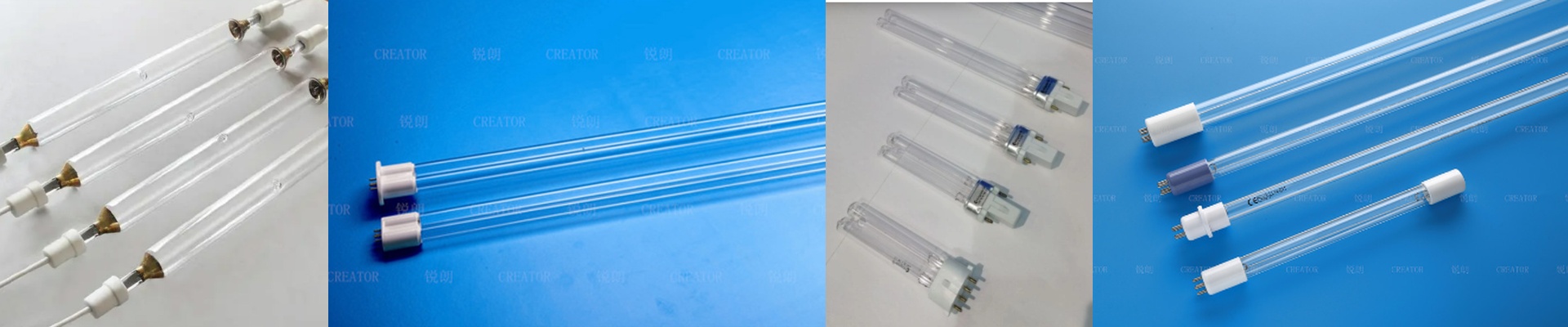
Most mercury UV bulbs do the job. For a lot of shops, “good enough” is exactly that. But if you’ve ever dealt with that annoying surface tackiness or inconsistent cure rates that drive you crazy, you know that “good enough” isn’t actually cutting it. Usually, the problem is spectral energy. We spent a lot of time in R&D figuring out how to tighten that concentration down to a 0.5% variance. Why does that actually matter? Here’s the thing: mercury lamps throw out energy in specific lines—mostly at 254nm, 313nm, and 365nm. If those lines shift even a little, your polymerization gets messy. We obsessed over the quartz envelope and the mercury fill pressure to keep everything locked in. Because we hit that 0.5% mark, the photon flux stays steady from one end of the tube to the other. No more “cold spots” where the resin just refuses to cross-link. The hardware side of things We use high-purity fused quartz. Why? Because we want to stop solarization—that cloudy haze that creeps over the glass as the lamp gets older. We also tweaked the electrodes so they can handle high-frequency starts without pitting. But there’s a catch. High energy density creates a ton of heat. If you’re cranking these bulbs to hit those breakneck line speeds, your cooling system has to be on its game. If your chilled air or water jacket can’t handle the thermal load, the quartz will stress. Then, the bulb burns out way sooner than it should. Making it work in your shop These are designed to be simple drop-in replacements for your current UV arrays. We spent a lot of effort on the geometry of the arc. We wanted to make sure the light actually goes where it belongs—on the substrate—rather than wasting energy hitting the reflector or the machine frame. By centering that plasma discharge, you get more punch on your product and less heat soaking into your equipment. Plus, it takes some of the pressure off your exhaust fans and stops you from wasting power.