Stop Overpaying for Power on Your Klockner Machines
If you’re running Klockner shoe machines, you know the drill. A lamp burns out, you grab a replacement with the same wattage, pop it in, and call it a day. It’s the easy way. But it’s also a bit of a waste. Here’s the thing: you can actually get the same heat results using less power. You just have to look at where the lamps are actually sitting.
The “Cold Spot” Problem
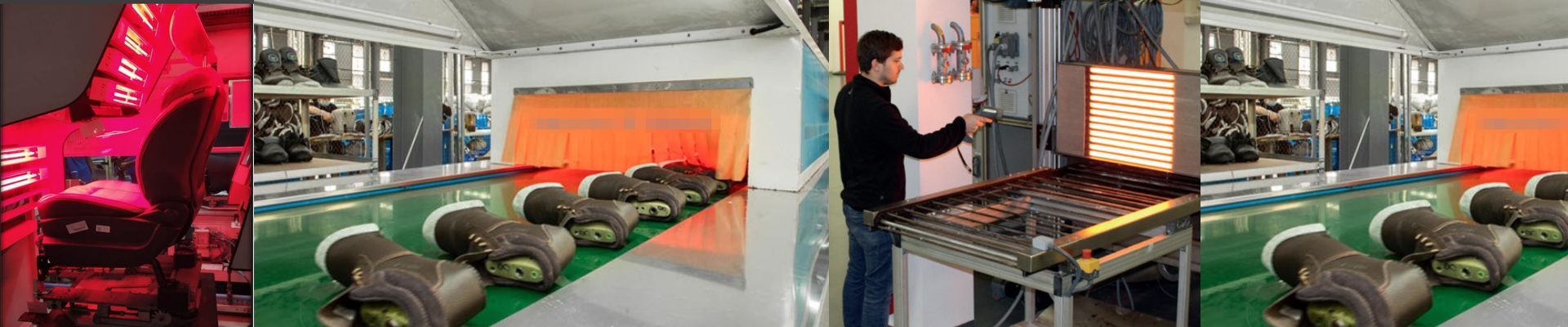
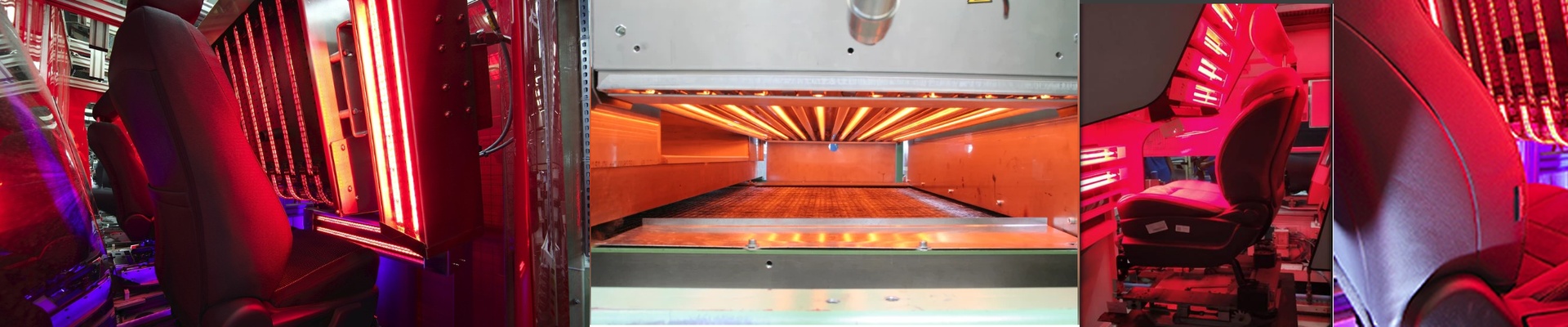
IR lamps don’t work by heating up the air around them. They shoot energy straight into the material. The problem is that when lamps are spaced too far apart, you get these annoying “cold spots” on the belt. To fix this, most people just crank up the wattage on every single tube. It works, sure, but it’s a total drain on your electricity and puts a lot of unnecessary stress on your power supply. We’ve found a better way. If you move the lamps closer together, the heat zones start to overlap. This creates a smooth, even blanket of heat across the whole conveyor. And because the heat is actually covering the gaps, you can drop the wattage of the individual lamps without the shoe components ever feeling the difference.
Don’t Overdo It
Now, you can’t just jam lamps together blindly. If you pack them too tight without thinking about the thermal load, you might actually start overheating the machine frame itself. It’s all a balancing act between your lamp spacing and how fast your belt is moving. If your line is flying, you need higher intensity to hit that target temperature in a split second. But if you’re running slow? You can use lower-wattage lamps spread over a longer stretch. If you try to use high-wattage tubes on a slow line, you’re just going to scorch your materials.
A Few Quick Tips
Next time you’re ordering replacement lamps, stop and look at how the material is actually absorbing the heat. If you notice the curing is uneven, don’t just buy a more powerful bulb. That’s usually a band-aid fix. Instead, try tweaking the reflectors to focus the beam. A simple adjustment to the angle can concentrate the heat exactly where it needs to go. In many cases, you can run your lamps at 70% power and still keep your production speed exactly where it is. Your power bill will thank you.