
Stop Cranking the Power: A Better Way to Use Ruby Quartz Lamps
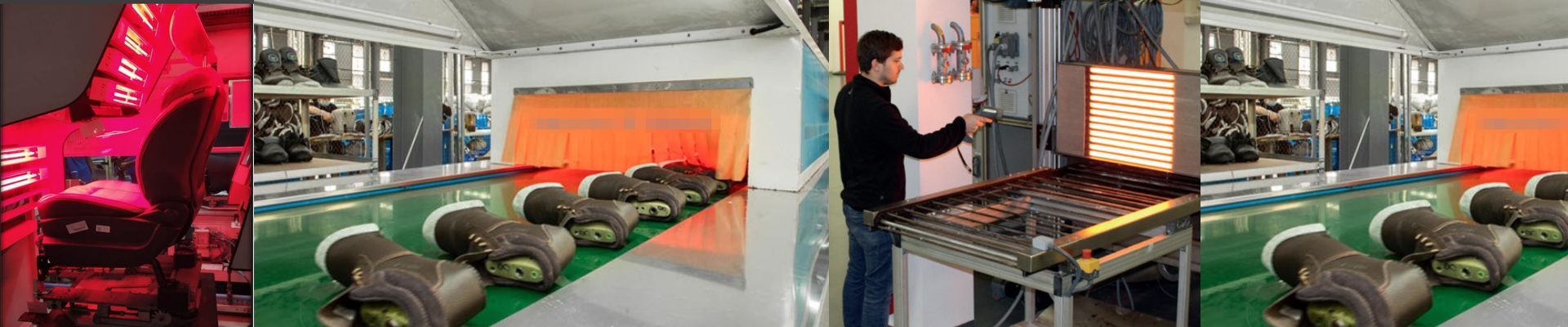
If you’ve spent any time on a shoe production line, you know the drill. You need those adhesives to cure and polymers to soften, so you reach for the ruby quartz lamps. Most people I talk to make the same mistake: they just keep cranking up the wattage to hit their temperature goals. But here’s the thing—throwing more power at the problem usually isn’t the answer. The real secret is all in how you lay out your lamps.
Why Ruby Quartz Actually Works
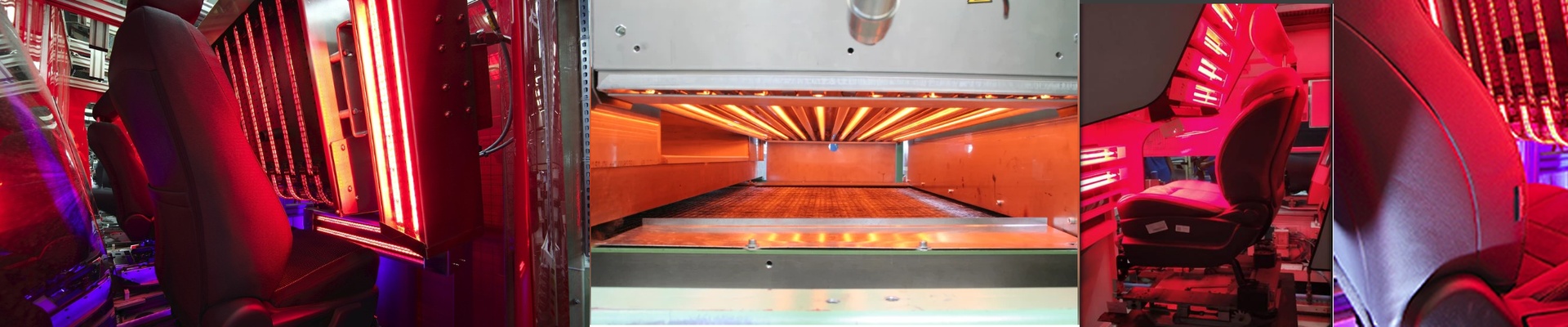
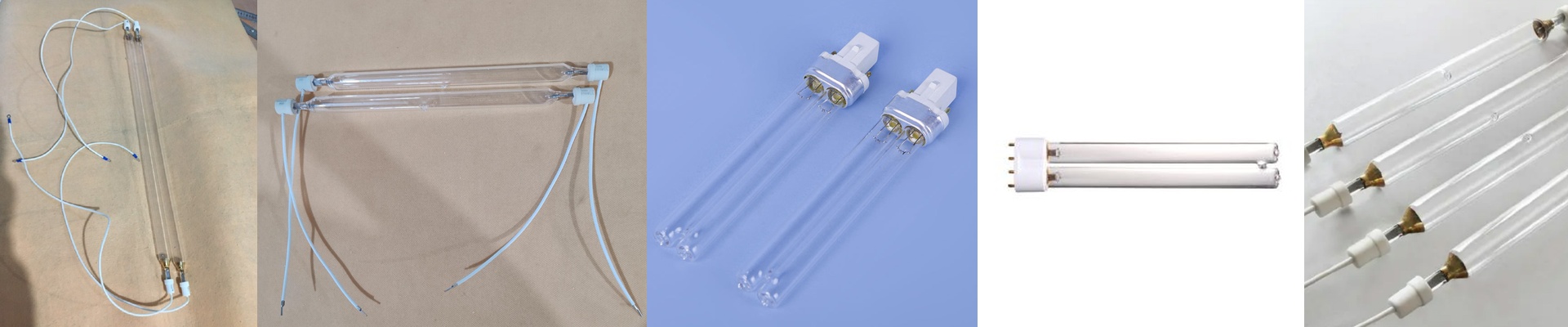
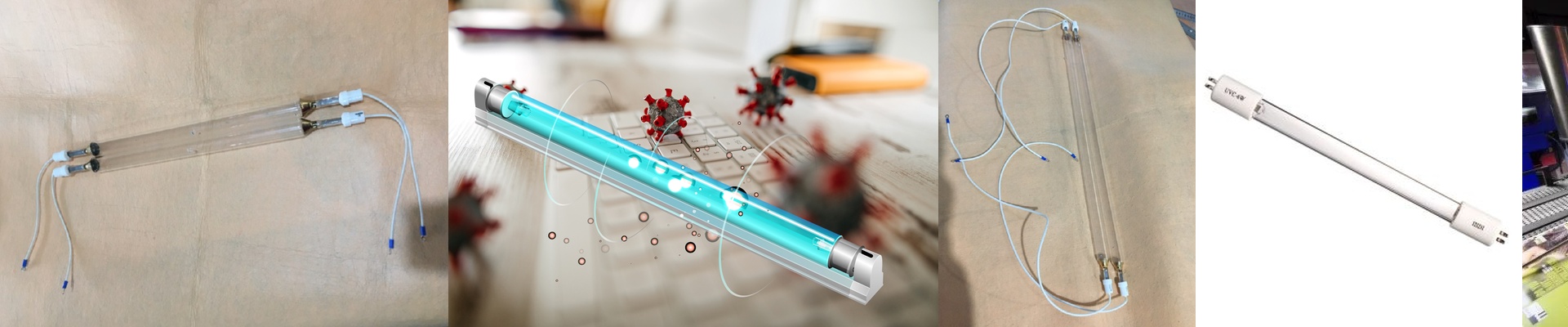
Think of ruby quartz as a filter. It blocks out those long-wave infrared rays and focuses everything into a tight, short-wave band. Instead of just scorching the surface of the shoe, the heat actually sinks deep into the material. It’s a precision tool. Because these things get incredibly hot, you need high-purity quartz. Otherwise, the tubes just warp or crack under the pressure, and then you’ve got a real mess on your hands.
Getting More Heat with Less Power
You can actually drop your power bill and still get a perfect cure. You just have to stop putting your lamps in straight, parallel lines. Try a staggered grid instead. When you stagger them, the heat zones overlap. It kills those annoying “cold spots” that happen between tubes. And here is a pro tip: move the lamp closer to the shoe. Just 20mm can make a massive difference. Seriously, shifting the lamp a tiny bit closer often does way more for your cure rate than adding another 500W of power. Now, there is a catch. The closer you get, the higher the risk of the material actually touching the tube. You’ll need to be smart about your guarding and jigs so you don’t end up with ruined shoes and broken lamps.
The Boring (But Important) Stuff: Maintenance
Don’t cheap out on your connectors. Use heavy-duty gear. If a connection is loose, it oxidizes, and the terminal will eventually burn right out. It’s a headache you don’t need. One last thing—watch your voltage. It’s tempting to run a few lamps at 110% capacity just to save money on buying more tubes. Don’t do it. You’ll burn through the lamps in no time. Find a balance between how many tubes you have and the voltage you’re running. That’s how you keep your setup humming for thousands of hours without having to replace parts every other week.