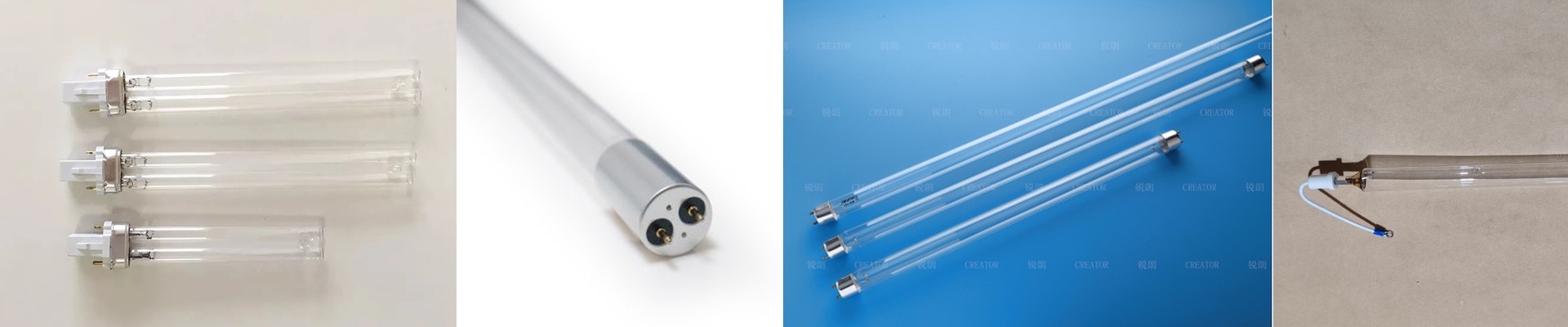


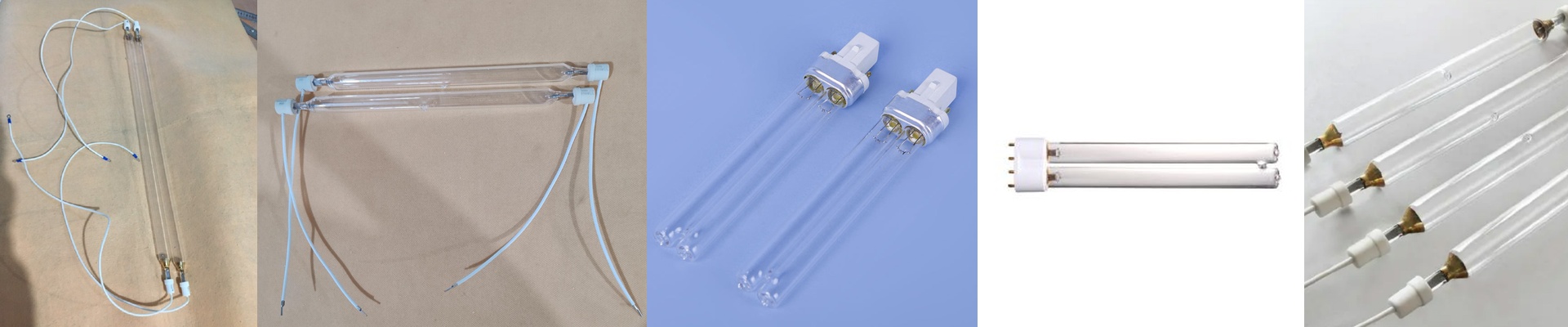

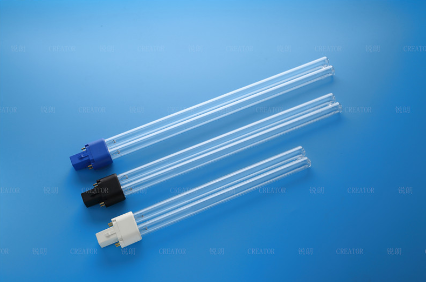
Printing over irregular or non-planar substrates has one predictable outcome on the line: curing shadows. Standard UV setups throw a fixed energy profile, and that just can’t wrap itself around complex geometry. The low points end up under-cured, and you pay for it with adhesion issues, scrap, and rework you didn’t plan for. Here’s the technical move that addresses it: a motion-sensor UV system that makes energy delivery conditional. It uses a motion-triggered high-pressure mercury vapor lamp, tuned to a spectral output centered at 365 nm — right where the photoinitiators in offset, flexo, and screen UV inks are designed to absorb. A dichroic-coated reflector reshapes the beam so irradiance stays uniform even as stand-off distance changes, hitting a peak irradiance above 2,000 mW/cm² and delivering a curing dose exceeding 800 mJ/cm² at the substrate surface. Ozone-free quartz envelopes let you mount the lamp close, without having to vent overhead. And the motion logic cuts dwell when there’s no target present, which drops thermal load and stretches lamp life. The reason it handles irregular geometry is simple: it redistributes energy on the fly. As the substrate comes through, the sensor fires the lamp only when the part is there, and the reflector geometry makes the UV envelope follow the contour instead of throwing a rigid rectangle. That wipes out dead zones on edges, recesses, and undercuts, so cross-linking stays consistent across the whole print. In practice, you see fewer pinholes, better adhesion, and stable cure at line speeds up to 120 m/min — without increasing total power draw. Installation comes down to alignment: the sensor field, lamp axis, and substrate path have to line up. Get that wrong and you’ll bring back shadowing, or you’ll overexpose raised features. The system will work with most industrial printers, but you still have to match the lamp housing to the available mounting envelope and cooling capacity. One more point: motion dimming will cost you about 10–15% in instantaneous output. But the process window actually gets wider, because energy lands where it’s needed, when it’s needed.
플랫하지 않거나 불규칙한 기판 위에 인쇄할 경우 현장에서 예측 가능한 결과가 하나 있습니다: 경화 그림자. 일반적인 UV 장비는 고정된 에너지 프로파일을 투사하며, 복잡한 형상을 감싸지 못합니다. 저점에서는 경화가 불충분해져 접착력 문제, 불량, 계획에 없던 재작업 비용이 발생합니다.
이 문제를 해결하는 기술적 접근법은 다음과 같습니다: 에너지 전달을 조건부로 제어하는 모션 센서 UV 시스템입니다. 이 시스템은 움직임에 반응하는 고압 수은 증기 램프를 사용하며, 파장이 365 nm를 중심으로 조정되어 오프셋, 플렉소, 실크스크린 UV 잉크의 광개시제가 최적 흡수하는 영역에 맞춰집니다. 이중굴절 코팅 반사경이 빔을 재형성하여, 스탠드오프 거리가 변해도 조사 강도는 균일하게 유지되며 최대 2,000 mW/cm² 이상의 조사 강도를 달성하고 기판 표면에서는 800 mJ/cm² 이상의 경화량을 제공합니다.
오존이 발생하지 않는 석영 인클로저는 램프를 기판에 가깝게 장착할 수 있게 하며 별도의 배기 설비 없이 설치가 가능합니다. 또한 모션 로직은 타겟이 없을 때 램프 가동 시간을 줄여 열 부하를 감소시키고 램프 수명을 연장합니다.
불규칙한 형상을 처리할 수 있는 이유는 간단합니다: 에너지를 실시간으로 재분배하기 때문입니다. 기판이 통과할 때 센서가 부품이 있을 때만 램프를 점등시키며, 반사경 구조가 빔을 고정된 직사각형 형태로 투사하는 대신 형상을 따라가도록 만듭니다. 이로 인해 모서리, 오목부, 언더컷 등의 사각지대가 해소되어 교차 결합이 전체 인쇄 영역에서 균일하게 유지됩니다.
실제로는 핀홀 감소, 접착력 향상, 총 전력 소모 증가 없이 최대 120 m/min의 라인 속도에서도 안정적인 경화를 확인할 수 있습니다.
설치는 센서 감지 영역, 램프 축, 기판 경로의 정렬이 핵심입니다. 이를 제대로 맞추지 않으면 그림자가 재발하거나 돌출부가 과다 노출될 수 있습니다. 이 시스템은 대부분 산업용 프린터와 호환 가능하지만, 램프 하우징은 사용 가능한 장착 공간 및 냉각 용량에 맞춰야 합니다.
추가로, 모션 디밍으로 순간 출력은 약 10–15% 감소합니다. 하지만 에너지가 필요한 위치와 시점에 정확히 전달되기 때문에 공정 윈도우는 실제로 넓어집니다.