Medium Pressure Mercury UV Lamps: The Secret to Keeping Your Press Running
Let’s talk about the unsung hero of a busy printing line: the medium pressure mercury UV lamp. These things are the workhorses for instant curing. We build them to give you a steady, high-intensity blast of power that dries inks and coatings on the fly, without forcing you to slow the press down. Because when you’re running a plant, this lamp isn’t just a bulb. It’s a critical link in your entire production chain.
What’s Under the Hood: Power, Voltage, and Size
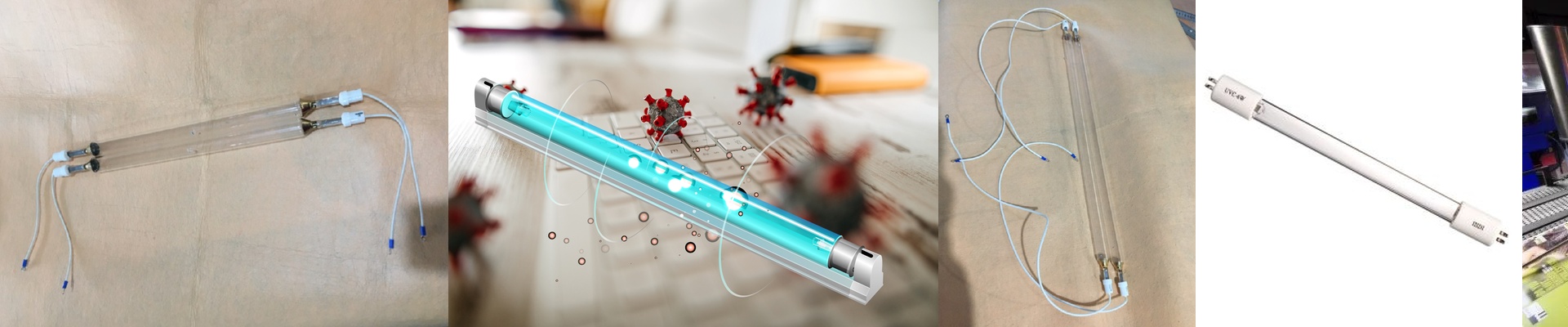
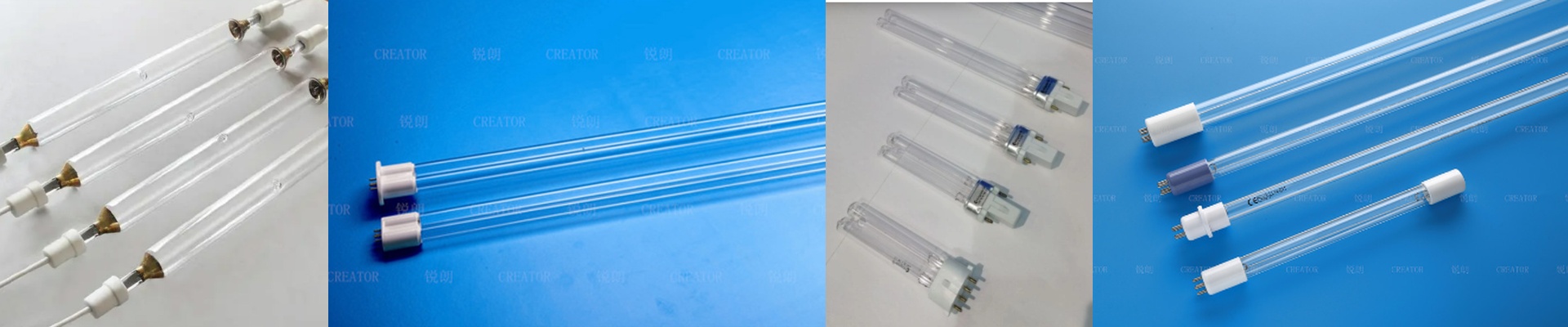
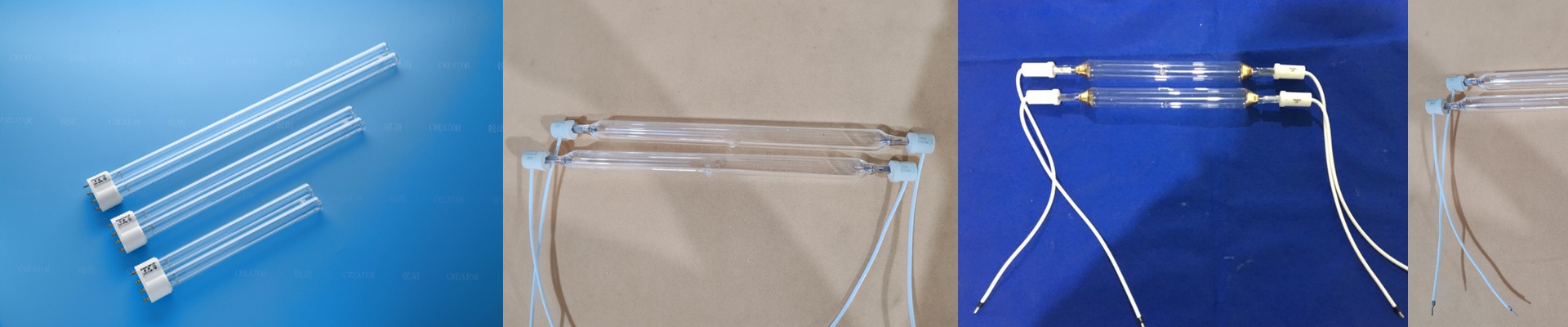
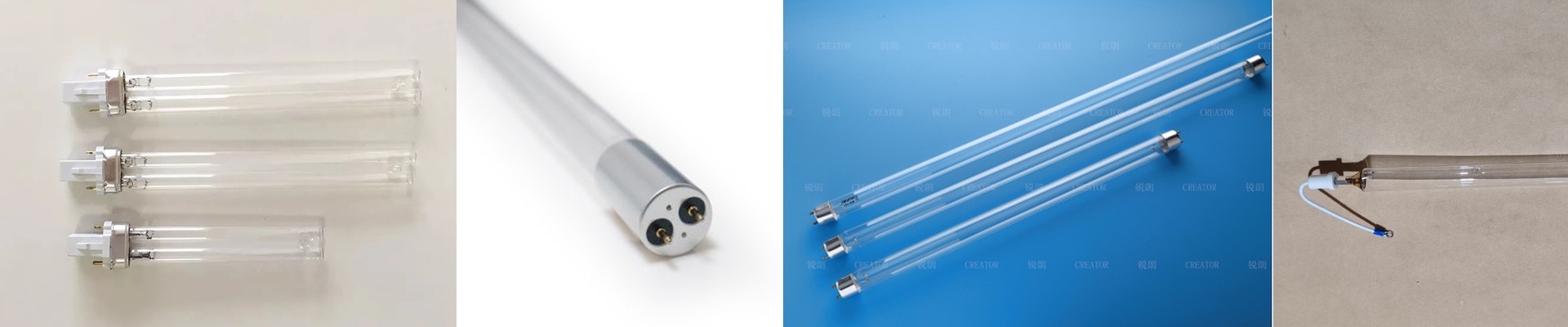
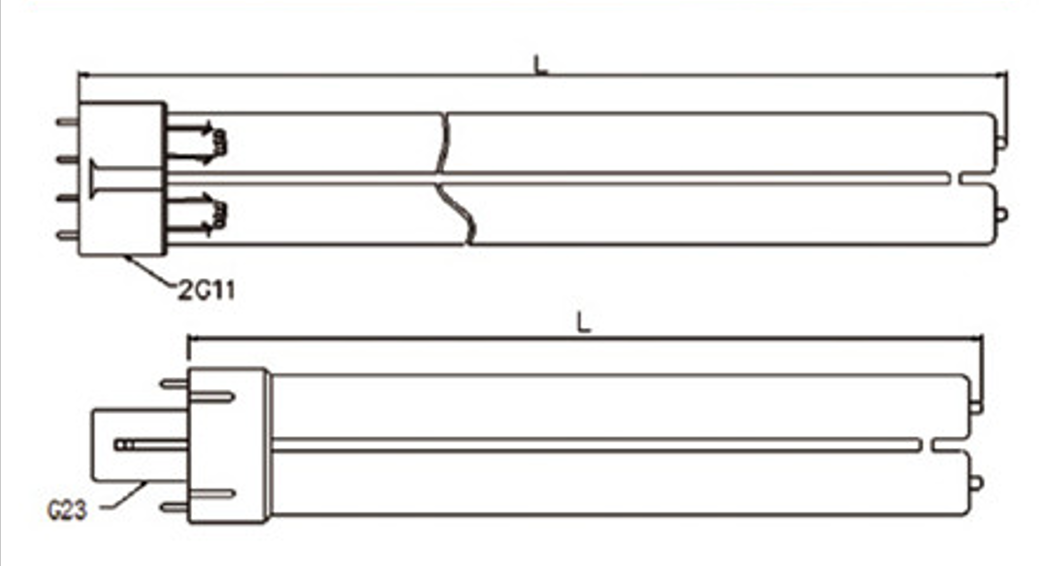
Here’s the thing about how we spec these lamps. They run on medium pressure, which basically packs mercury vapor into a tight arc. The result? A huge amount of UV power from a small space. Typically, they run at 400V to hit the right arc voltage, and the power is sized to match your specific curing window—often 2500W or more. The tube itself is usually around 300mm long, a length chosen to perfectly match the footprint of the cure zone. You get dense UV output in a small footprint. But there’s a trade-off. That kind of power density generates a lot of heat. That means your cooling system has to be up to the task. It has to keep the lamp and the reflector at the right temperature. If you try to run without proper airflow, you’re just asking for a shorter lifespan.
The Details That Matter: Quartz, Coating, and Connectors
The arc tube is made from quartz, chosen because it can handle the extreme heat while staying perfectly clear to let the UV through. Inside, a halogen fill keeps the output stable over the life of the lamp, so you don’t get that frustrating drop-off you see with basic mercury. We also add a reflective coating on the outer jacket. It helps direct all that energy forward, giving your substrate a stronger, more effective dose. And for the connectors, we use R7s. They can take the heat, make a rock-solid electrical connection, and let you swap out a lamp in a matter of minutes. When you’re trying to keep a production line moving, that quick-swap design is a lifesaver.
How to Avoid Downtime: Plan for Predictable Replacement
In a printing plant, these lamps don’t just burn out from hours of use. They fail from thermal stress and arc degradation. So, reactive replacement is a losing game. Instead, we recommend keeping a simple consumption ledger. Just track the voltage, current, and operating hours per shift. Then, pair that data with a fixed replacement interval—say, every 2,000 hours. That simple habit shifts you from scrambling to replace a failed lamp to planning the job ahead of time. The payoff? You keep curing performance steady, you avoid those panicked press stoppages, and lamp replacement becomes just another scheduled task. It’s how you finally say goodbye to surprise downtime.