



Getting UV Curing Right (Without the Massive Price Tag)
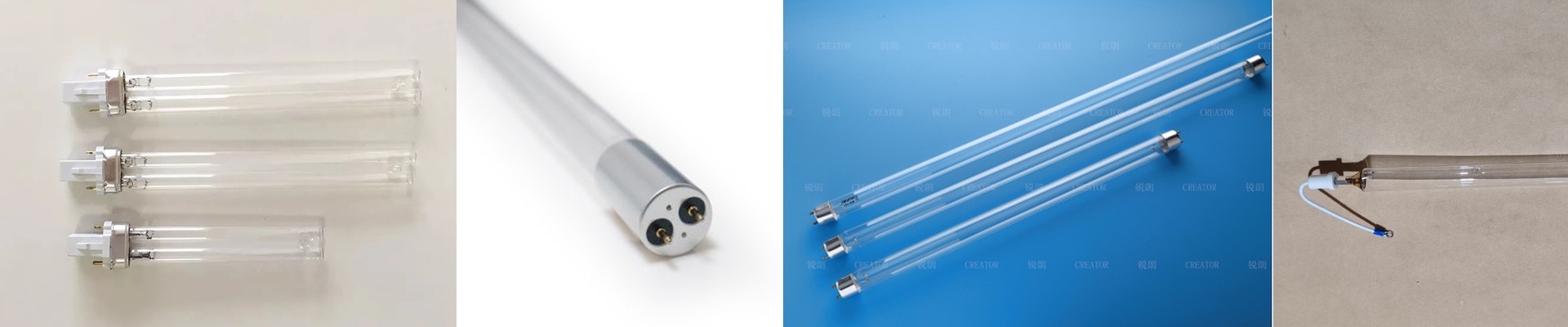
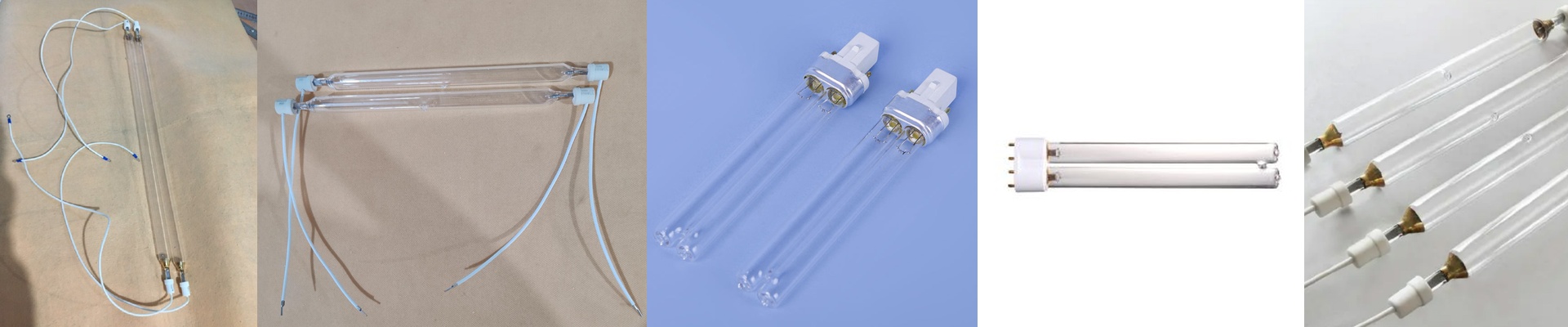
We spent 15 years in the trenches as OEM suppliers before we finally decided to build our own modular UV curing systems. Why? Because we were tired of seeing people pay a premium for big-name international brands just to get a stable output. We figured we could give you that same reliability without the corporate markup. The secret is in the modules. Think of it like building blocks. If you need more curing intensity, you just add another lamp bank. If you don’t, you take them out. But here is where most people mess up: the reflectors. If your reflector geometry is off by even a single millimeter, you get “cold spots” on your material. It’s a nightmare. You end up with uneven curing, wasted product, and a lot of frustration. That’s why we’re obsessive about tolerances and use high-purity quartz glass. It lets the UV light through and stops the energy from just turning into wasted heat. Dealing with the heat Let’s be real—high-wattage UV lamps get hot. Like, really hot. If you pack a bunch of these into a tight array without the right airflow, you’re basically building a toaster for your electronics. We build dedicated cooling channels into our systems because overheating doesn’t just kill your bulbs faster. It actually shifts the spectral output. When that happens, your cure time starts to drift. Suddenly, you’re fighting a losing battle, trying to balance your conveyor speed so you don’t accidentally scorch your product. Life on the shop floor These machines aren’t for a clean lab; they’re for 24/7 factory floors where things get messy. We use standardized connectors so you can just drop in a replacement. If a module burns out, you swap it and get back to work. No need to spend your afternoon rewiring the entire line. One heads-up, though: these systems pull a lot of power. If your factory shares a grid with heavy hitters like injection molders or big presses, you’re going to see voltage spikes. Those spikes eat ballasts for breakfast. We always suggest using dedicated stabilizers. It keeps the arc steady and ensures the UV output is the same from one end of the belt to the other.